Beef broccoli recipe Best Better Than Takeout Dish
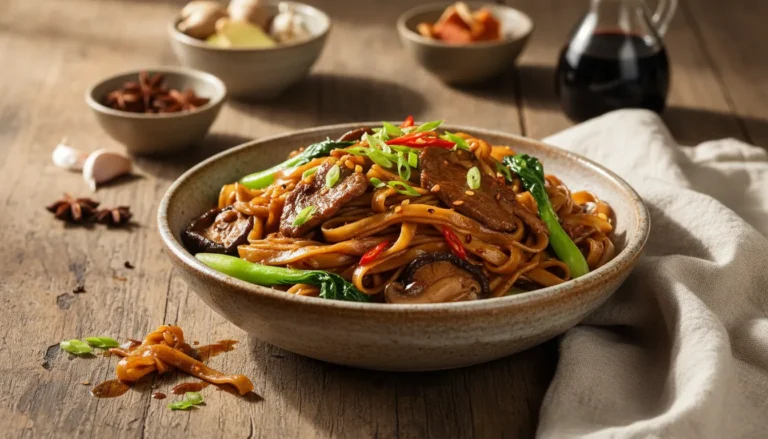
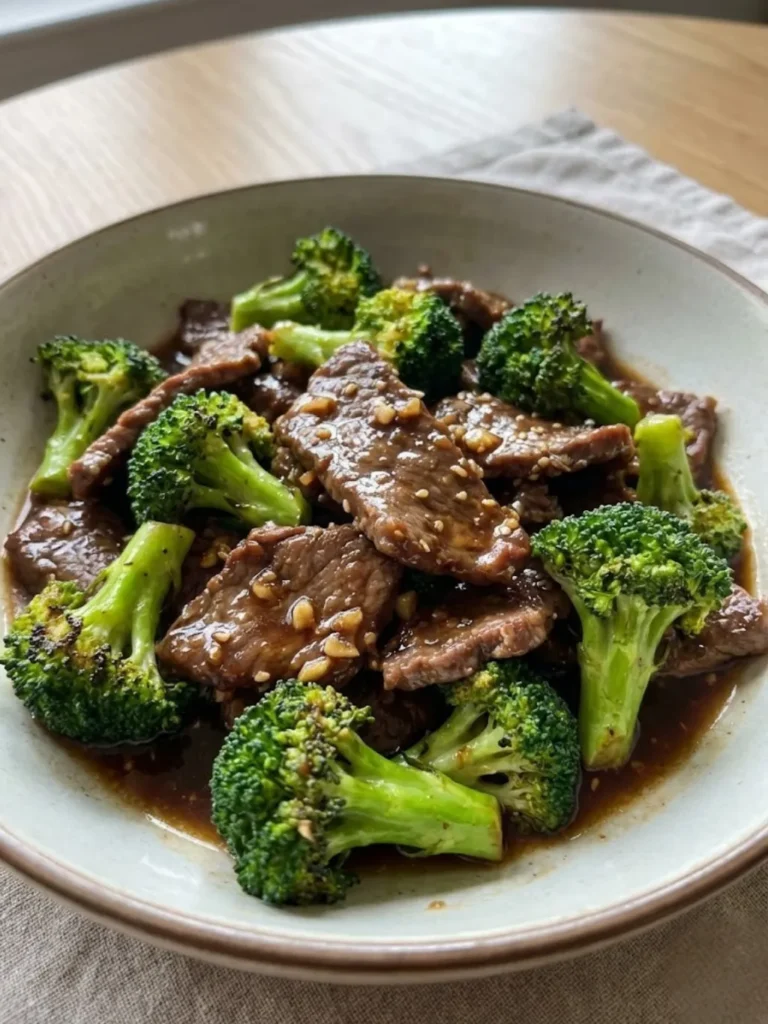
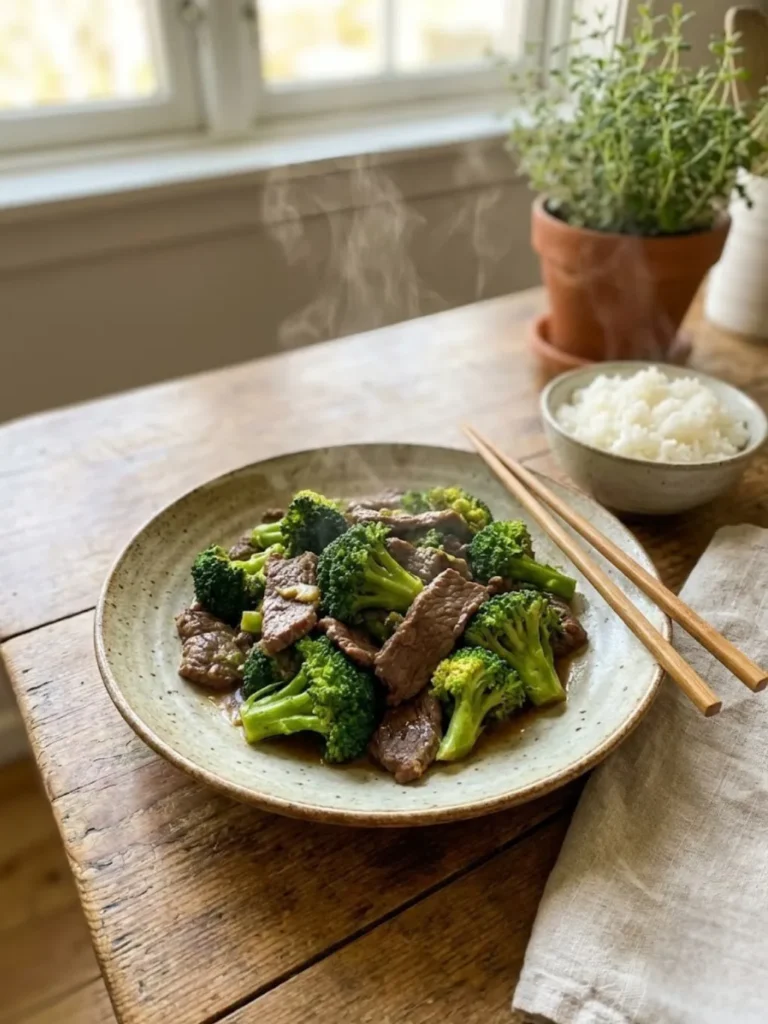
This beef broccoli recipe delivers restaurant-quality results in just 20 minutes. Slice flank steak thin against the grain, velvet it with cornstarch for tenderness, then stir-fry over high heat with crisp broccoli florets in a savory garlic-ginger sauce that’s better than any takeout version.
Tired of ordering beef and broccoli only to find tough, chewy meat swimming in a gloppy, oversalted sauce? That disappointing takeout experience doesn’t have to be your reality.
This beef broccoli recipe solves every common pitfall with Chinese restaurant-style cooking. The result is tender, silky beef paired with perfectly crisp-tender broccoli in a glossy sauce that clings beautifully to every piece.
The magic lies in a technique called velveting—coating beef slices in cornstarch and briefly marinating them. This process creates a protective barrier that locks in moisture during high-heat cooking. Combined with proper slicing against the grain and flash-cooking in a smoking-hot wok, you’ll achieve that elusive restaurant texture at home.
Here is everything you need to know to master this classic beef broccoli recipe.
Why This Beef Broccoli Recipe is a Keeper
This recipe delivers authentic Chinese restaurant flavors while giving you complete control over ingredients and quality.
Ready in 20 minutes: Faster than waiting for delivery, and your kitchen will smell amazing instead of like cardboard containers.
Healthier than takeout: Control the sodium, sugar, and oil levels. No mystery ingredients or MSG unless you want it.
Budget-friendly: Flank steak costs significantly less than ordering out for a family. One recipe feeds four for the price of two takeout orders.
Customizable heat level: Adjust the red pepper flakes to your preference. Make it mild for kids or add serious heat for spice lovers.
Meal prep champion: Doubles or triples easily. Prep ingredients Sunday night, then cook fresh portions throughout the week in minutes.
Restaurant-quality texture: The velveting technique creates that signature silky beef texture you can’t achieve any other way.
Authentic flavor profile: Balanced savory-sweet sauce with aromatic garlic and ginger hits all the right notes without overwhelming sweetness.
Choosing the Best Cut of Beef for Beef Broccoli Recipe
The Ideal Cut: Flank Steak
Flank steak is the undisputed champion for stir-fry applications. This lean cut from the cow’s abdominal muscles features long, visible grain lines that make slicing against the grain straightforward.
The minimal marbling means flank steak can turn tough if handled incorrectly, but that’s exactly why the velveting technique matters. The cornstarch coating and quick marinade tenderize the meat while the intense heat of stir-frying seals in moisture before toughness develops.
Flank steak’s flat, uniform shape makes achieving consistent, thin slices easy. This uniformity ensures every piece cooks at exactly the same rate—crucial when you’re working with a blazing-hot wok.
Substitutions:
Sirloin steak offers slightly more tenderness with a bit more marbling. Slice it thin and velvet it the same way. It costs more but requires less precision in cooking.
Skirt steak works beautifully with its loose grain structure and robust flavor. It’s actually more flavorful than flank, though slightly less uniform in thickness.
Buying Tips:
Look for flank steak with deep red color and minimal silver skin on the surface. Some membrane is normal, but excessive amounts indicate lower quality.
Choose steaks about 1 to 1.5 inches thick for easiest slicing. Thinner cuts are harder to slice uniformly, while thicker ones waste money.
Avoid pre-sliced “stir-fry beef” from supermarkets. You can’t verify the cut or grain direction, and pieces are often inconsistent sizes that cook unevenly.
Ingredients Notes & Preparation
Beef Prep:
Freeze your flank steak for 20-30 minutes before slicing. Partially frozen meat slices dramatically cleaner and thinner than room-temperature beef.
Identify the grain direction—those visible lines running through the meat. Slice perpendicular to these lines at a slight angle to create ⅛-inch thick strips.
Pat slices dry with paper towels before velveting. Excess moisture dilutes your cornstarch coating and prevents proper browning.
Velveting Technique:
Mix sliced beef with 2 tablespoons cornstarch, 1 tablespoon soy sauce, and 1 tablespoon rice wine. The cornstarch creates a protective coating that keeps beef juicy during high-heat cooking.
Marinate for 15-30 minutes minimum. This allows the alkaline properties of the cornstarch to break down proteins slightly, enhancing tenderness.
Add 1 tablespoon of oil to your marinade. This prevents beef slices from sticking together and promotes even browning.
Sauce Components:
Oyster sauce provides the umami backbone. Its thick, savory-sweet profile is irreplaceable—don’t substitute with soy sauce alone.
Light soy sauce adds saltiness and depth. Dark soy sauce contributes color but use it sparingly as it can overwhelm delicate flavors.
Shaoxing rice wine (or dry sherry) adds complexity and helps tenderize. The alcohol cooks off, leaving only aromatic depth.
Fresh ginger and garlic are non-negotiable. Jarred versions lack the bright, pungent intensity that defines authentic Chinese cooking.
Equipment:
Carbon steel wok or large stainless steel skillet with sloped sides. Nonstick pans can’t handle the high heat required for proper stir-frying.
High-output burner or the hottest setting your stove offers. Inadequate heat leads to steaming instead of searing.
Long-handled spatula or wok spatula for constant motion and quick tossing.
Step-by-Step Instructions
Prep & Velvet the Beef
Slice 1 pound of flank steak against the grain into ⅛-inch thick strips, cutting at a slight angle for wider pieces.
In a bowl, combine beef strips with 2 tablespoons cornstarch, 1 tablespoon soy sauce, 1 tablespoon Shaoxing wine, and 1 tablespoon vegetable oil. Mix thoroughly until every piece is coated. Set aside for 15-30 minutes.
Cut 3 cups of broccoli florets into bite-sized pieces. Blanch in boiling water for 90 seconds, then shock in ice water. This preserves the bright green color and ensures crisp-tender texture.
Prepare your sauce by whisking together 3 tablespoons oyster sauce, 2 tablespoons soy sauce, 1 tablespoon rice wine, 1 teaspoon sugar, and ½ cup beef or chicken broth. Set aside.
The Cooking Process
Heat your wok over the highest heat until a drop of water evaporates instantly on contact. Add 2 tablespoons of vegetable oil and swirl to coat.
Add marinated beef in a single layer, working in batches if necessary. Let it sear undisturbed for 45 seconds. You’ll hear an aggressive sizzle and smell the Maillard reaction creating those savory notes.
Flip or toss beef pieces. Cook for another 30-45 seconds until beef is 80% cooked with some pink remaining. The velveting coating should look glossy and lightly golden. Remove beef immediately to a plate—it will finish cooking later.
Without cleaning the wok, add another tablespoon of oil if needed. Add 2 tablespoons minced garlic and 1 tablespoon minced ginger. Stir-fry for 15 seconds until fragrant but not browned.
Add blanched broccoli. Stir-fry for 1 minute, tossing constantly to coat with aromatics.
Pour in your prepared sauce. Let it come to a vigorous boil, then return the beef to the wok along with any accumulated juices.
Toss everything together for 1 minute until the sauce thickens and clings to the beef and broccoli. The cornstarch from the velveting helps create that signature glossy coating.
Doneness Guide for Stir-Fried Beef
Stir-fried beef follows different rules than steaks. You’re looking for just-cooked through rather than specific temperatures:
Undercooked: Beef is very pink/red in the center, feels soft and squishy. Sauce hasn’t thickened. Needs another minute.
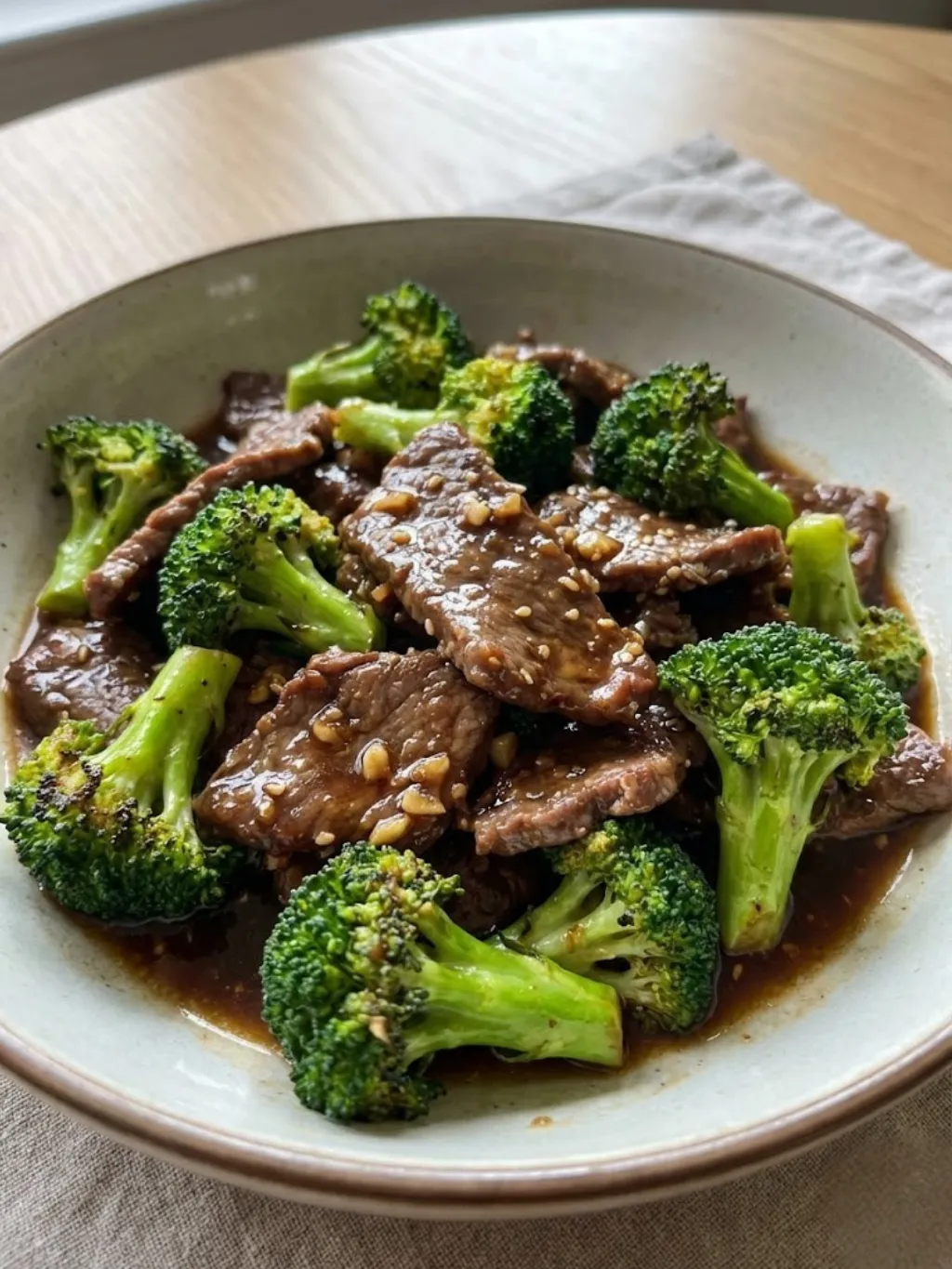
Perfect: Beef has slight pinkness in the thickest parts, feels tender but not mushy. Sauce is glossy and coats everything evenly. Broccoli is bright green and crisp-tender.
Overcooked: Beef is uniformly gray-brown, feels tough and dry. Sauce has reduced too much or separated. Broccoli has turned dull olive green.
The entire stir-frying process should take 4-5 minutes maximum once ingredients hit the wok. Speed is essential.
Why Resting Matters (Sort Of)
Unlike steaks, stir-fried beef doesn’t benefit from resting time. Serve immediately while everything is piping hot and the sauce is at peak glossiness.
However, letting your velveted beef sit for 15-30 minutes before cooking IS crucial. This resting time allows the cornstarch coating to fully hydrate and the marinade to penetrate the meat fibers.
Expert Tips for Tender Beef Every Time
Tip 1: Master the slice.
Thin, uniform slices against the grain are absolutely critical. Freeze your beef for 20 minutes before slicing for paper-thin precision. Thick or unevenly cut pieces will be chewy regardless of velveting.
Tip 2: Don’t skip the blanching.
Raw broccoli added directly to the wok requires too much cooking time, overcooking your beef in the process. Blanching for 90 seconds pre-cooks the broccoli so everything finishes simultaneously.
Tip 3: Work in batches.
Overcrowding your wok drops the temperature dramatically, causing beef to steam rather than sear. Cook in two batches if needed—it only takes an extra minute and makes all the difference.
Tip 4: Have everything ready.
Stir-frying happens lightning-fast. Prep all ingredients, mix your sauce, and arrange everything within arm’s reach before heating the wok. Once cooking starts, there’s no time for hunting down ingredients.
Tip 5: Crank the heat.
Timid heat produces mediocre stir-fry. Your wok should be smoking-hot. This intense heat creates instant searing and that distinctive “wok hei” (breath of the wok) flavor that separates restaurant cooking from home attempts.
Serving Suggestions & Pairings
Starch Bases:
Serve over steamed jasmine rice for classic presentation. The fluffy rice absorbs the flavorful sauce beautifully.
Fried rice makes this a more substantial one-dish meal. Use day-old rice for best texture.
Lo mein or chow mein noodles create a complete Chinese takeout experience at home.
Cauliflower rice offers a low-carb alternative that still soaks up the delicious sauce.
Additional Vegetables:
Sliced bell peppers add sweetness and color contrast. Toss them in with the broccoli.
Snow peas or snap peas contribute pleasant crunch. Add during the last minute of cooking.
Sliced onions provide aromatic depth. Cook them with the garlic and ginger.
Garnishes:
Toasted sesame seeds add nutty flavor and attractive presentation.
Sliced green onions provide fresh, sharp contrast to the rich sauce.
Red pepper flakes or chili oil for those who want extra heat.
Recipe Card
🛠 Equipment Needed
- Carbon steel wok or large skillet
- Sharp chef's knife
- Mixing bowls
- Whisk
- Long-handled spatula or wok spatula
- Large pot for blanching
- Measuring spoons and cups
Storage, Freezing & Reheating
Fridge Life:
Store beef and broccoli in an airtight container for up to 3 days. The flavors actually deepen overnight as the sauce continues seasoning everything.
Keep separate from rice if meal-prepping. The sauce makes rice soggy during storage.
Freezing:
This dish freezes adequately for up to 2 months, though broccoli texture suffers slightly upon thawing. Beef maintains quality well.
Cool completely before freezing. Portion into individual servings for convenient weeknight dinners.
Consider freezing sauce and velveted raw beef separately, then cooking fresh when needed for best results.
Reheating:
Wok method (best): Heat 1 tablespoon oil in your wok over high heat. Add refrigerated beef and broccoli and toss vigorously for 2-3 minutes until heated through. This restores some of the original texture and freshness.
Microwave method: Heat in 1-minute intervals at 70% power, stirring between sessions. Add a tablespoon of water to prevent drying. The beef won’t be as tender but it’s acceptable for quick lunches.
Avoid: Don’t reheat more than once. The beef toughens with repeated heating cycles.
Frequently Asked Questions
Can I use a different cut of beef for this recipe?
Yes, but flank steak is ideal for stir-frying. Sirloin, skirt steak, or ribeye work as alternatives. Avoid tough cuts like chuck roast or round—even velveting can’t fully compensate for their dense muscle fibers in quick-cooking applications.
How do I make my beef broccoli recipe gluten-free?
Use tamari instead of soy sauce and verify your oyster sauce is gluten-free (some brands contain wheat). Cornstarch is naturally gluten-free. Rice wine is typically safe but check labels on Shaoxing wine specifically.
Why is my beef tough even after velveting?
Three common causes: (1) Slicing with the grain instead of against it, (2) Overcooking—velveted beef should be removed when still slightly pink, or (3) Insufficient heat causing steaming instead of searing. Review your slicing technique and crank up the heat.
Can I prep this beef broccoli recipe ahead?
Absolutely. Slice and velvet the beef, blanch the broccoli, and mix the sauce up to 24 hours ahead. Store components separately in the refrigerator. When ready to eat, the actual cooking takes just 5 minutes.
Conclusion
This beef broccoli recipe proves you can absolutely create restaurant-quality Chinese food at home. The combination of proper velveting, high-heat cooking, and fresh ingredients produces results that surpass most takeout versions.
The beauty of mastering this technique extends beyond just beef and broccoli. Once you understand velveting and proper stir-fry methods, you can apply them to countless other dishes with consistent, delicious results.
Stop settling for mediocre takeout. Rate this recipe and share your photos on Pinterest! Show me how you made this beef broccoli recipe better than your favorite Chinese restaurant.