Beef chow fun recipe Best Authentic Cantonese Style
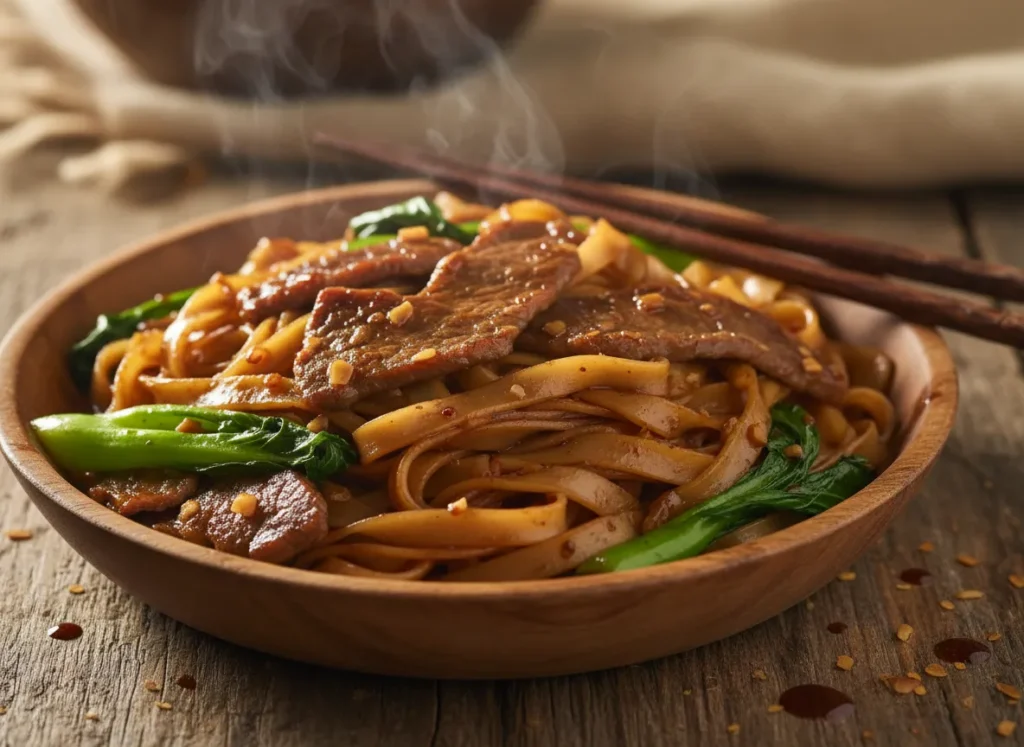
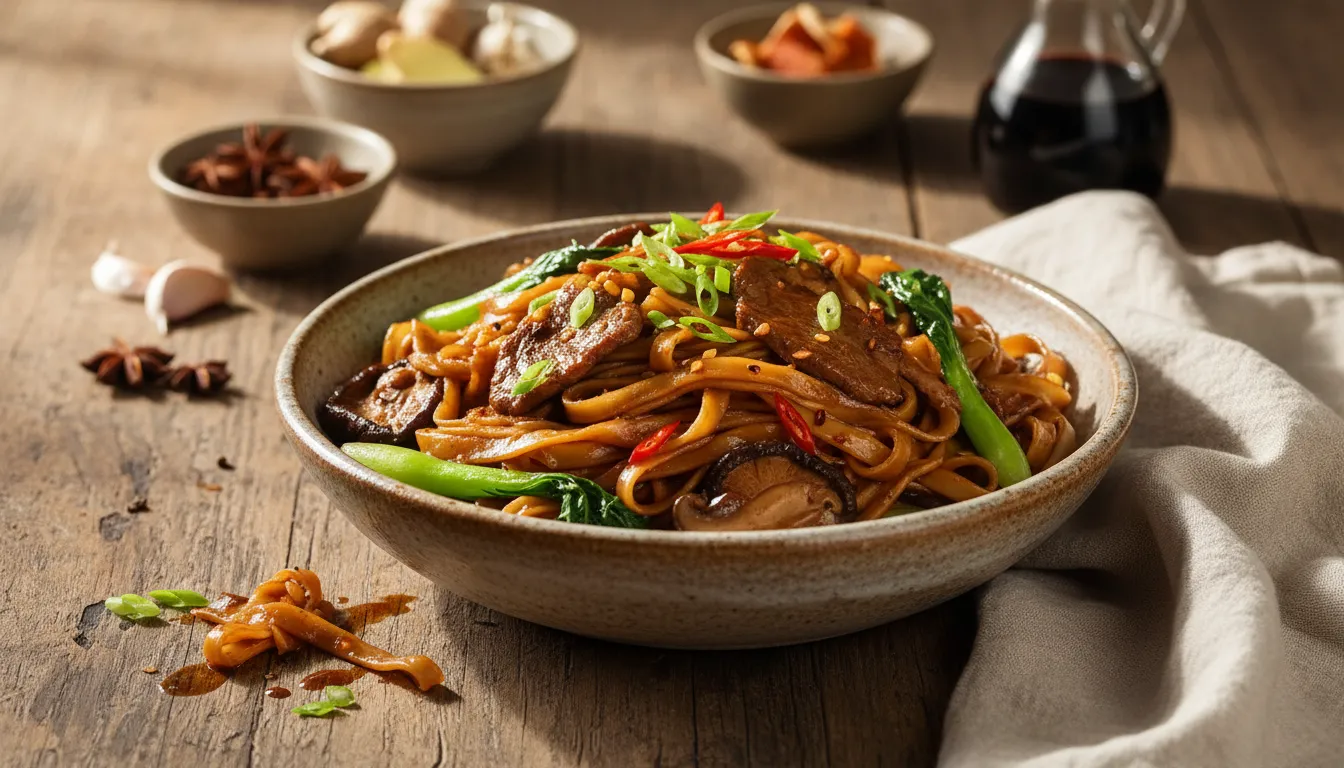
This beef chow fun recipe delivers restaurant-quality Cantonese noodles at home with tender marinated beef, silky rice noodles, and smoky wok hei—the essential charred flavor that makes this dish irresistible.
Ever ordered beef chow fun at your favorite Chinese restaurant and wondered why your homemade version turns out with mushy noodles and chewy beef? You’re not alone. The secret isn’t just about tossing ingredients in a pan—it’s about high heat, proper timing, and the right marinating technique.
This beef chow fun recipe solves those common problems. By using a velveting method for the beef and cooking in strategic batches, you’ll achieve that signature smoky wok hei and perfectly tender beef strips that rival any takeout spot.
The magic lies in three key techniques: cornstarch-based velveting for silky beef, high-heat searing for caramelization, and quick tossing to prevent soggy noodles. Here’s everything you need to know to master this iconic Cantonese stir-fry.
Why This Beef Chow Fun Recipe is a Keeper
- Restaurant-quality wok hei achieved on a home stovetop
- Tender beef guaranteed through traditional velveting technique
- 15-minute cook time once prep is complete
- Customizable heat levels from mild to fiery
- Budget-friendly using flank steak or sirloin
- Gluten-free option available with tamari substitution
Choosing the Best Cut of Beef for Beef Chow Fun
The Ideal Cut: Flank steak is the gold standard for this beef chow fun recipe. Its long muscle fibers, when sliced against the grain, create tender strips that absorb marinade beautifully. The moderate marbling provides just enough fat for flavor without becoming greasy during high-heat cooking. The lean profile also allows the Maillard reaction to occur quickly, creating that essential caramelized exterior.
Substitutions: Sirloin works excellently for a more tender result, while skirt steak offers deeper beefy flavor with slightly more chew. Ribeye is acceptable but can be overly fatty for stir-frying. Avoid tougher cuts like chuck unless you’re willing to velvet for 30+ minutes.
Buying Tips: Look for bright red beef with minimal oxidation (brownish tones). The grain should be visible and running in clear parallel lines—this helps you slice against it properly. Request 1/4-inch slices from your butcher if short on time, specifying “against the grain for stir-fry.”
Ingredients List
| Quantity | Ingredient |
|---|---|
| 1 lb | Flank steak, sliced against grain into 1/4-inch strips |
| 1 lb | Fresh wide rice noodles (ho fun) |
| 3 cups | Bean sprouts |
| 4 stalks | Green onions, cut into 2-inch pieces |
| 1/2 | Yellow onion, sliced |
| Beef Marinade | |
| 2 tbsp | Soy sauce |
| 1 tbsp | Shaoxing wine |
| 1 tbsp | Cornstarch |
| 1 tsp | Sugar |
| 1/2 tsp | Baking soda (optional, for extra tenderness) |
| 2 tsp | Vegetable oil |
| Sauce | |
| 3 tbsp | Light soy sauce |
| 2 tbsp | Dark soy sauce |
| 1 tbsp | Oyster sauce |
| 1 tsp | Sugar |
| 1/4 tsp | White pepper |
| Cooking | |
| 4 tbsp | Vegetable oil (divided) |
| 3 cloves | Garlic, minced |
Ingredients Notes
The Beef: Pat the flank steak completely dry before slicing. Moisture prevents proper searing and creates steam instead of that crispy, caramelized edge. Slice when slightly frozen (15 minutes in freezer) for cleaner cuts.
Cornstarch in Marinade: This creates a protective coating during velveting, sealing in juices while preventing the beef from sticking. The cornstarch also thickens the sauce naturally as it cooks.
Dark Soy Sauce: Essential for color—not just flavor. This gives chow fun its signature mahogany appearance and adds subtle sweetness from molasses content.
Fresh vs. Dried Noodles: Fresh ho fun noodles are non-negotiable for authentic texture. Dried rice noodles won’t provide the same silky, slippery quality that defines this dish.
Step-by-Step Instructions
Ground beef and Potatoes Recipe
🛠 Equipment Needed
- Wok or large cast-iron skillet
- sharp knife
- mixing bowls
- spatula
Prep & Season
Marinate the beef: Combine sliced flank steak with soy sauce, Shaoxing wine, cornstarch, sugar, and baking soda. Mix thoroughly, ensuring every strip is coated. Add 2 teaspoons of oil and massage gently—this prevents clumping. Let rest for 20 minutes minimum, up to 2 hours refrigerated.
Prepare noodles: If using refrigerated fresh rice noodles, microwave for 30 seconds to soften, then gently separate the sheets. They should feel pliable, not brittle.
Mix sauce: Whisk together light soy sauce, dark soy sauce, oyster sauce, sugar, and white pepper. Set aside.
The Cooking Process
Sear the beef: Heat wok or large skillet over highest heat until smoking. Add 2 tablespoons oil, swirl to coat. Add beef in a single layer (work in batches—overcrowding drops temperature). Let sear undisturbed for 45 seconds until the bottom develops a golden crust. Flip and cook 30 seconds more. Transfer immediately to a plate. The beef should be 80% cooked—it finishes later.
Stir-fry aromatics: Add 1 tablespoon oil, then garlic and onions. Toss for 30 seconds until fragrant, hearing that satisfying sizzle.
Cook noodles: Add noodles and 1 tablespoon oil. Use a spatula to gently fold (not stir vigorously—noodles break easily). Cook for 2 minutes until edges start crisping and charring slightly.
Combine: Return beef to wok with bean sprouts and green onions. Pour sauce around the perimeter of the wok, letting it hit the hot metal before reaching the noodles. Toss everything together rapidly for 1 minute. Remove from heat immediately.
Doneness Guide
For beef in stir-fry:
| Doneness | Internal Temp | Visual Cue |
|---|---|---|
| Medium-Rare | 130-135°F | Mostly pink center |
| Medium | 135-145°F | Slightly pink center (ideal) |
| Well-Done | 155°F+ | No pink (avoid for chow fun) |
Note: Beef continues cooking from residual heat, so pull at 135°F for perfect medium.
Resting
While resting isn’t typical for stir-fry, letting your finished beef chow fun recipe sit for 1-2 minutes allows the sauce to thicken slightly and cling better to noodles. This brief pause also lets flavors meld without overcooking the tender beef strips.
Expert Tips for Tender Beef Every Time
Tip 1: The Velveting Advantage – The cornstarch-baking soda marinade creates a protective barrier that locks in moisture during high-heat cooking. This Chinese restaurant technique prevents that dry, leathery texture common in home stir-fries.
Tip 2: Slice Against the Grain – Cutting perpendicular to the muscle fibers shortens them, reducing chewiness by up to 40%. Look for the parallel lines in the meat and slice across them at a slight diagonal.
Tip 3: Maximum Heat is Non-Negotiable – Wok hei only develops above 500°F. If using a regular stovetop, preheat your wok or cast-iron skillet for 3-4 minutes. The oil should shimmer and smoke slightly before adding ingredients.
Tip 4: Work in Batches – Never crowd the pan. Beef should touch the cooking surface, not pile on itself. Overcrowding creates steam and prevents the Maillard reaction that gives you those crispy, caramelized edges.
Serving Suggestions & Pairings
Side Dishes: Serve this beef chow fun recipe with Chinese broccoli (gai lan) with oyster sauce, salt and pepper crispy tofu, or a simple cucumber salad with rice vinegar dressing. Wonton soup makes an excellent lighter accompaniment.
Sauces: While delicious as-is, offer chili oil or Sriracha on the side for heat lovers. A squeeze of fresh lime adds brightness that cuts through the richness.
Beverage Pairings: Jasmine tea cleanses the palate between bites, while a crisp lager or Riesling complements the savory-sweet flavors beautifully.
Storage, Freezing & Reheating
Fridge Life: Store in an airtight container for up to 3 days. Note that rice noodles firm up when cold—this is normal.
Freezing: Not recommended. Rice noodles become grainy and lose their silky texture when frozen and thawed.
Reheating: The key is restoring moisture and heat simultaneously. Add 1-2 tablespoons of water to a hot wok or skillet, then add the chow fun. Toss constantly over high heat for 2-3 minutes. The steam softens noodles while preventing sogginess. Avoid microwaving—it makes noodles rubbery and beef tough.
Frequently Asked Questions
Q: Can I use dried rice noodles instead of fresh? A: While possible, dried pad thai-style rice noodles won’t replicate the signature texture. If fresh ho fun is unavailable, soak dried wide rice noodles for 20 minutes, then boil for 2-3 minutes until tender but firm.
Q: How do I prevent noodles from sticking together? A: Separate them gently before cooking and add oil during stir-frying. The key is high heat—hot noodles develop a slight crust that naturally prevents clumping.
Q: Is this beef chow fun recipe gluten-free? A: Almost. Substitute tamari for soy sauce and ensure your oyster sauce is gluten-free (many brands contain wheat). Rice noodles are naturally gluten-free.
Q: My beef turned out tough. What went wrong? A: Three common issues: slicing with the grain instead of against it, skipping the marinade, or overcooking. Beef should barely cook through—pull it early since residual heat continues the process.
Conclusion
This beef chow fun recipe brings authentic Cantonese flavors into your kitchen without requiring professional equipment. The combination of proper velveting, high-heat cooking, and respecting the grain of the meat ensures juicy, tender results every single time. Once you master the rhythm of batch cooking and quick tossing, this becomes a weeknight staple faster than ordering delivery.
Ready to achieve restaurant-quality results? Try this recipe tonight and rate it below! Share your wok hei success on Pinterest to help other home cooks discover the secret to perfect beef chow fun.