How to Cook Sirloin Steak: How to Keep Lean Meat Juicy
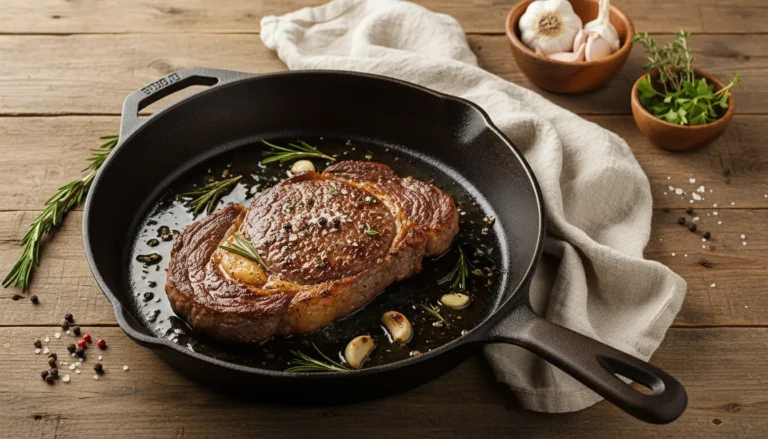
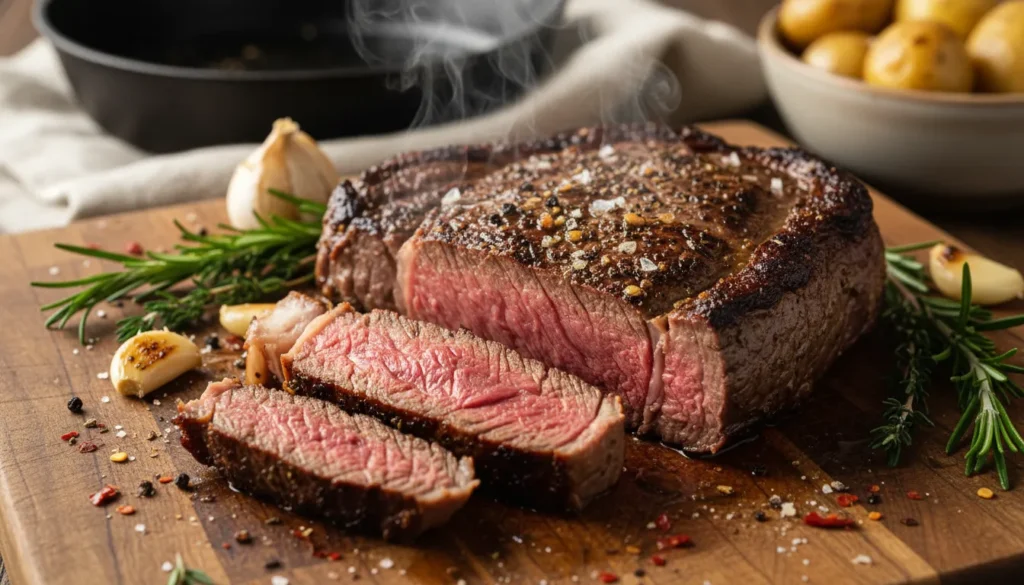
Marinate sirloin steak for 2-4 hours to tenderize the lean meat, then pat dry and sear in a hot skillet for 3-4 minutes per side until internal temperature reaches 130-135°F for medium-rare. Rest 5 minutes before slicing against the grain to maximize tenderness.
You’ve stood at the meat counter, wallet in hand, debating between that beautiful marbled ribeye and the leaner, budget-friendly sirloin. The ribeye promises richness, but the sirloin’s price point is tempting—until doubt creeps in. Will it be tough? Will it dry out? The fear of turning an economical cut into shoe leather stops many home cooks from even trying.
The solution lies in understanding that sirloin isn’t inferior—it’s different. This naturally lean cut responds beautifully to marinades that both tenderize and add moisture. When you know how to cook sirloin steak properly, you’ll achieve tender, flavorful results that prove you don’t need expensive cuts for an impressive meal.
The key is respecting sirloin’s lower fat content by using acidic marinades to break down muscle fibers and cooking quickly over high heat to preserve moisture. We’ll show you five different marinade approaches that transform this affordable steak into something special. To understand where sirloin fits in the broader spectrum of cuts and how it compares to other options, check out our ultimate guide to beef steak cuts.
Grab your mixing bowl and your favorite marinade ingredients. We’re making juicy sirloin steak.
Why This Sirloin Steak Recipe is Better Than Restaurant Versions
- Five versatile marinade options let you customize flavor profiles
- Budget-friendly at $8-12 per pound versus $20+ for premium cuts
- Naturally leaner with only 6g fat per serving for health-conscious eaters
- Marinades tenderize making the texture rival more expensive steaks
- Quick cooking time means dinner in under 20 minutes
- Proven techniques prevent the dryness that gives sirloin a bad reputation
Choosing the Best Sirloin Steak for This Recipe
The Cut: Top sirloin is the superior choice for pan-searing—it’s more tender than bottom sirloin (which is better for slow cooking). Look for “top sirloin” or “top butt” labels. The meat should have minimal marbling compared to ribeye, but some intramuscular fat improves flavor and prevents dryness.
Thickness: Buy steaks that are 1 to 1.5 inches thick. Thinner steaks overcook too quickly, leaving no pink center. Thicker steaks allow better temperature control and a proper sear-to-interior ratio.
Buying Tips: Choose bright, cherry-red meat with white or cream-colored fat (yellow fat indicates older beef). The meat should feel firm, not mushy, and packaging should have minimal liquid. According to USDA beef grading standards, Select grade sirloin offers good value, while Choice grade provides slightly more marbling.
Ingredients List
| Quantity | Ingredient |
|---|---|
| 2 (10-12 oz) | Top sirloin steaks (1-1.5 inches thick) |
| 2 tbsp | High-heat oil (avocado or canola) |
| 2 tbsp | Unsalted butter |
| 2 cloves | Fresh garlic, smashed |
| 2 sprigs | Fresh rosemary or thyme |
| Choose ONE Marinade Below |
Classic Red Wine Marinade:
| Quantity | Ingredient |
|---|---|
| 1/2 cup | Dry red wine |
| 1/4 cup | Olive oil |
| 3 cloves | Garlic, minced |
| 1 tbsp | Worcestershire sauce |
| 1 tsp | Dijon mustard |
| 1 tsp | Fresh cracked black pepper |
Asian-Inspired Soy Marinade:
| Quantity | Ingredient |
|---|---|
| 1/3 cup | Soy sauce |
| 2 tbsp | Rice vinegar |
| 2 tbsp | Sesame oil |
| 2 tbsp | Brown sugar |
| 3 cloves | Garlic, minced |
| 1 tbsp | Fresh ginger, grated |
Herb & Balsamic Marinade:
| Quantity | Ingredient |
|---|---|
| 1/3 cup | Balsamic vinegar |
| 1/4 cup | Olive oil |
| 2 tbsp | Fresh rosemary, chopped |
| 2 tbsp | Fresh thyme, chopped |
| 3 cloves | Garlic, minced |
| 1 tbsp | Honey |
Spicy Citrus Marinade:
| Quantity | Ingredient |
|---|---|
| 1/4 cup | Fresh lime juice |
| 1/4 cup | Orange juice |
| 3 tbsp | Olive oil |
| 2 | Jalapeños, minced |
| 3 cloves | Garlic, minced |
| 1 tsp | Cumin |
| 1 tsp | Chili powder |
Coffee & Bourbon Marinade:
| Quantity | Ingredient |
|---|---|
| 1/4 cup | Strong brewed coffee, cooled |
| 1/4 cup | Bourbon |
| 3 tbsp | Brown sugar |
| 2 tbsp | Worcestershire sauce |
| 1 tbsp | Dijon mustard |
| 1 tsp | Smoked paprika |
Ingredients Notes
The Marinade Acid: Wine, vinegar, citrus juice, or even coffee provide acids that break down tough muscle fibers in lean sirloin. Acidic marinades need 2-4 hours maximum—longer creates mushy texture. Enzyme-based tenderizers (like pineapple or papaya) work faster but can over-tenderize.
The Oil: Oil in marinades carries fat-soluble flavors into the meat and prevents drying during high-heat cooking. It also helps seasonings adhere to the surface.
The Salt Timing: Don’t salt sirloin until just before cooking. Salt in marinades draws out excessive moisture over time, which can make lean cuts even drier. Season generously with kosher salt immediately before searing.
Step-by-Step Instructions for How to Cook Sirloin Steak
Recipe Card
🛠 Equipment Needed
- Cast Iron Skillet or Stainless Steel Pan
- Instant-Read Thermometer
- Tongs
- Shallow Dish or Zip-Top Bag for Marinating
Marinating
Combine your chosen marinade ingredients in a shallow dish or gallon-sized zip-top bag. Add the sirloin steaks, turn to coat completely, and refrigerate for 2-4 hours. Turn steaks halfway through marinating for even flavor penetration.
Don’t exceed 4 hours for acidic marinades—the exterior will become mushy while the interior remains underseasoned. For overnight marinating, reduce acidic components by half.
Prep & Salting
Remove steaks from marinade 30 minutes before cooking to reach room temperature. Pat both sides completely dry with paper towels—this step is non-negotiable for achieving a crust. Excess marinade will steam and prevent proper browning.
Season both sides generously with kosher salt and freshly ground black pepper. The drying and salting create the perfect environment for the Maillard reaction.
The Sear
Heat a cast iron skillet or heavy stainless steel pan over high heat until wisps of smoke appear. Add high-smoke-point oil and swirl to coat. Carefully place steaks in the pan, laying away from you to avoid splatter.
Sear without moving for 3-4 minutes. Lean sirloin cooks faster than fatty cuts, so monitor closely. The steak will release naturally when the crust forms—if it sticks, wait another 30 seconds. Flip and sear the second side for 3-4 minutes.
For steaks thicker than 1.5 inches, sear the edges briefly by holding upright with tongs.
The Butter Baste
Reduce heat to medium and add butter, smashed garlic, and fresh herbs. Tilt the pan slightly and use a large spoon to baste the steaks continuously with the aromatic butter for 1-2 minutes. This adds richness that balances sirloin’s leanness.
Begin checking internal temperature at the 6-minute mark.
Doneness Guide
Insert an instant-read thermometer horizontally into the thickest part:
- Rare: 120-125°F (cool red center)
- Medium-Rare: 130-135°F (warm red center) – RECOMMENDED
- Medium: 135-145°F (warm pink center)
- Medium-Well: 145-155°F (slightly pink)
Critical: Lean sirloin becomes noticeably tougher beyond medium doneness. Pull at 130°F for perfect medium-rare results.
Resting
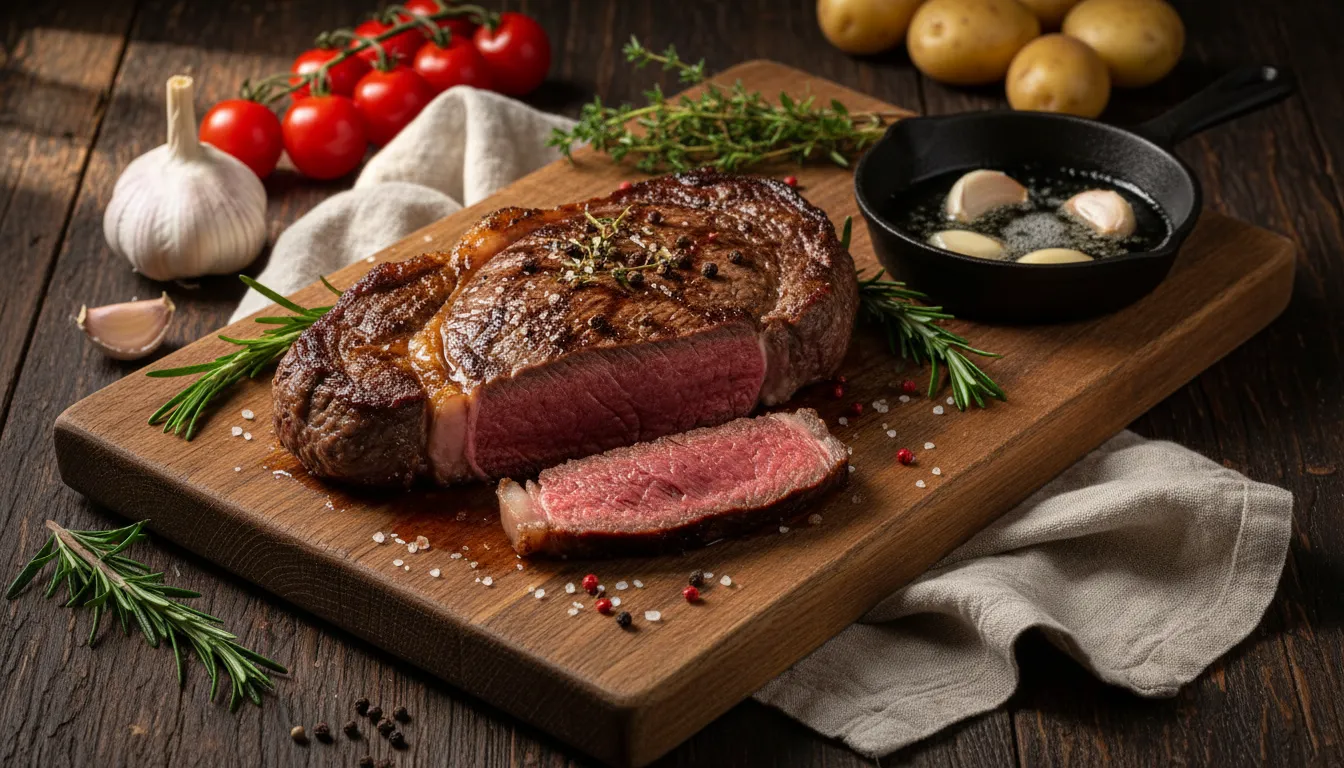
Transfer to a cutting board and tent loosely with foil. Rest for 5 minutes minimum. This allows proteins to relax and juices to redistribute. For sirloin, proper resting is even more critical than with fattier cuts because there’s less marbling to keep it moist.
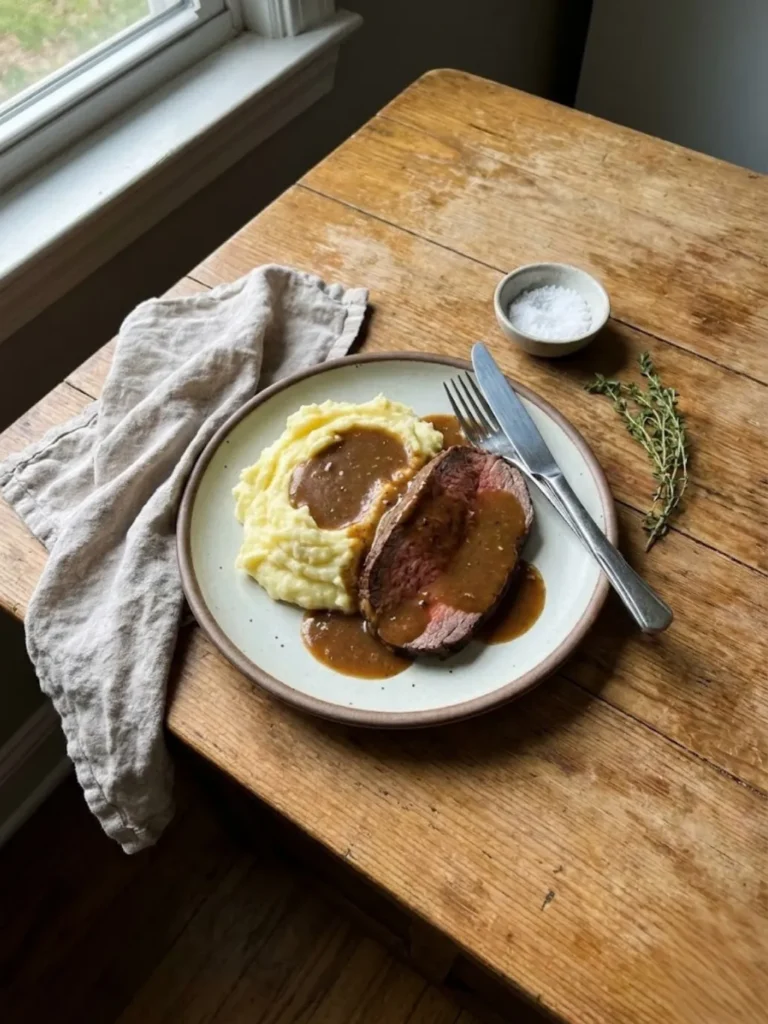
Slice against the grain at a 45-degree angle. Look for the direction of muscle fibers and cut perpendicular to them—this shortens the fibers and dramatically improves tenderness.
Expert Tips for Perfect Sirloin Steak
Tip 1: Don’t Skip the Marinade While ribeye can be delicious with just salt and pepper, sirloin truly benefits from the tenderizing and moisturizing effects of a good marinade. The flavor boost is significant.
Tip 2: Room Temperature Matters Cold steak from the fridge hits the hot pan and the interior stays cool while the exterior overcooks. A 30-minute rest at room temperature ensures even cooking from edge to center.
Tip 3: Slice Against the Grain This cannot be overstated for sirloin. Cutting with the grain leaves long muscle fibers that feel tough. Cutting across shortens them, making each bite tender.
Tip 4: Watch the Clock Lean meat has less margin for error. Use a timer and thermometer religiously. The difference between perfectly juicy and disappointingly dry sirloin is just 5-10 degrees.
Serving Suggestions & Steakhouse Sides
Sides: Sirloin’s bold marinade flavors pair well with simple sides that don’t compete. Garlic mashed potatoes, roasted asparagus with lemon, or a crisp Caesar salad provide balance. For Asian marinades, serve with stir-fried vegetables and jasmine rice.
Sauces: Chimichurri brightens the rich beef flavor. Peppercorn sauce adds steakhouse elegance. For the citrus marinade, a mango salsa provides complementary freshness. Blue cheese butter melts beautifully over the sliced steak.
Wine Pairing: The red wine marinade pairs naturally with Cabernet Sauvignon. Asian marinades work with off-dry Riesling. Bourbon marinade matches well with smoky Malbec.
Storage & Reheating
Leftovers: Store sliced sirloin in an airtight container with any accumulated juices for up to 3 days. The marinated flavor actually intensifies overnight, making leftovers particularly delicious.
Reheating: Bring to room temperature, then warm gently in a 250°F oven for 8-10 minutes. Alternatively, slice thinly and flash-sear in hot butter for 20 seconds per side. Avoid microwaving—it makes lean meat rubbery and grey.
Creative Uses: Thinly sliced leftover sirloin elevates steak tacos, French dip sandwiches, grain bowls, or breakfast scrambles.
Frequently Asked Questions
How do I know when it’s medium-rare without a thermometer?
For sirloin specifically, the touch test is less reliable due to its lean, firm texture. Invest in a $15 instant-read thermometer—it’s the difference between success and disappointment with this cut.
Can I skip the marinade if I’m short on time?
Yes, but results won’t be as tender or flavorful. At minimum, season generously and let the salted steaks rest 20 minutes before cooking. The salt will draw out surface moisture, helping with browning.
Which marinade is best for beginners?
The Classic Red Wine marinade is foolproof and delivers universally appealing flavors. The acid from wine tenderizes effectively without being aggressive like citrus can be.
Why does my sirloin get tough even at medium-rare?
You likely cut with the grain rather than against it. Sirloin has prominent muscle fibers that must be cut perpendicular to maximize tenderness. Also, ensure you’re buying top sirloin, not tougher bottom sirloin.
Conclusion
Learning how to cook sirloin steak properly proves that expensive cuts aren’t necessary for restaurant-quality results. The combination of smart marination, high-heat searing, and proper slicing transforms this budget-friendly option into a tender, flavorful centerpiece. Once you’ve mastered these techniques, you’ll confidently reach for sirloin whenever you want great steak without the premium price tag.
The versatility of the five marinades means you’ll never get bored—rotate through them based on your mood or the season. Your grocery budget will thank you, and your family won’t miss the pricier cuts.
Fire up that skillet and choose your marinade. Juicy sirloin awaits.
Rate this recipe and tell us your favorite marinade in the comments!