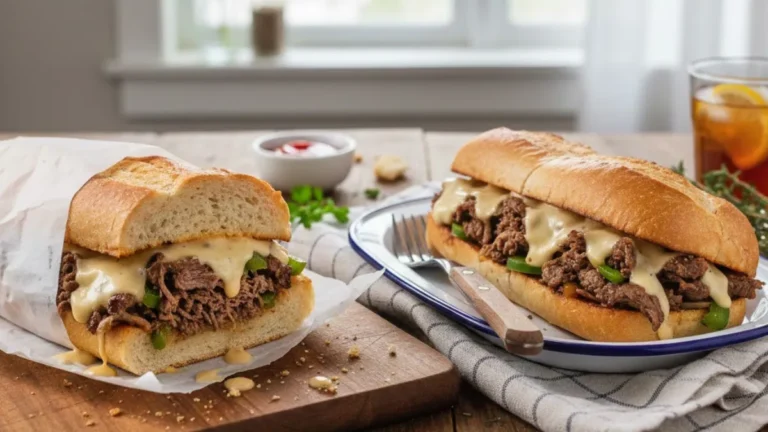
Beef tongue recipe: How to Peel and Tenderize Properly
Master beef tongue by simmering it low and slow until fork-tender, then peeling away the outer skin to reveal silky, flavorful meat. This underrated cut delivers rich, beefy taste and melt-in-your-mouth texture when prepared correctly—a delicacy in cuisines worldwide.
Intimidated by cooking beef tongue? You’re not alone. This unfamiliar cut gets overlooked in American kitchens, yet it’s prized globally for its incredible tenderness and deep flavor. The hesitation usually comes from not knowing how to properly prepare it—specifically, how to peel and tenderize this unique muscle.
The good news? This beef tongue recipe demystifies the entire process with clear, tested steps. Once you understand the simple technique of simmering until tender and peeling while warm, you’ll discover why this cut commands premium prices in restaurants. The key is low, slow cooking that transforms the tough muscle into buttery, sliceable perfection.
While tongue might seem worlds away from familiar steaks, understanding different beef cuts helps you become a more confident cook. Our ultimate guide to beef cuts and cooking covers everything from tender ribeyes to specialty cuts like tongue.
Here’s everything you need to know to master perfectly prepared beef tongue.
Why This Beef Tongue Recipe is a Keeper
- Incredibly Tender: When cooked properly, tongue is more tender than many premium steaks
- Budget-Friendly: Costs $4-6 per pound vs. $15+ for comparable quality cuts
- Rich, Unique Flavor: Deep beefy taste with subtle sweetness
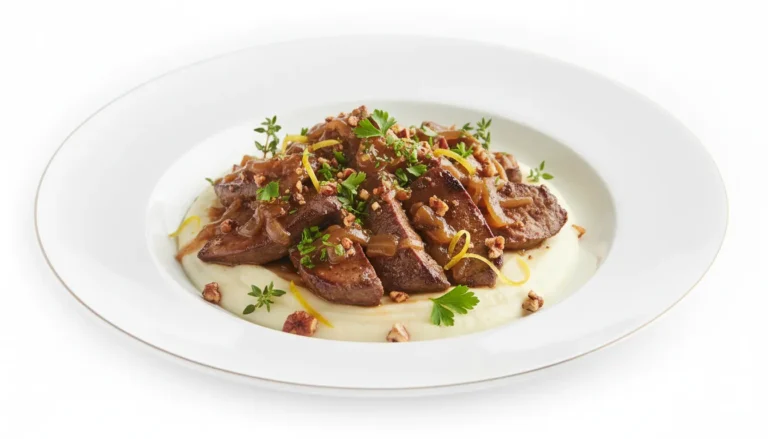
- Versatile: Slice for tacos, sandwiches, salads, or elegant plated dinners
- Nutrient-Dense: High in protein, B vitamins, iron, and zinc
- Make-Ahead Friendly: Cooks hands-off for hours; actually improves when made ahead
- Zero Waste: The entire tongue is edible after peeling—no bones or gristle
Choosing the Best Beef Tongue
The Ideal Cut: Beef tongue is a muscle, so it requires proper cooking to tenderize. Unlike other muscles, tongue has minimal connective tissue but is exceptionally dense, requiring extended simmering to break down the tight muscle fibers. According to the USDA’s guide to variety meats, properly prepared tongue offers excellent nutritional value and unique culinary applications.
A whole beef tongue typically weighs 2-4 pounds. The meat is uniformly textured throughout with no marbling—it’s pure, lean muscle that becomes incredibly tender through slow cooking.
Substitutions: While there’s no exact substitute for beef tongue’s unique texture, if you’re looking for similar richness and tenderness:
- Braised beef cheeks (similar silky texture)
- Slow-cooked brisket (requires similar cooking time)
- Braised short ribs (rich, tender meat)
Buying Tips: Purchase from a butcher or specialty meat market rather than standard grocery stores (though some carry frozen tongue). Look for:
- Pale pink color without dark spots
- Fresh smell (not sour or off-putting)
- Intact skin without tears
- Whole tongue preferred over pre-sliced
Ask if the tongue is “trimmed”—some butchers remove the glands and excess fat at the base, saving you prep work.
Ingredients List
For Cooking the Tongue
| Quantity | Ingredient |
|---|---|
| 1 whole | Beef tongue (2-3 lbs) |
| 1 large | Yellow onion, quartered |
| 2 medium | Carrots, roughly chopped |
| 2 stalks | Celery, roughly chopped |
| 6 cloves | Garlic, smashed |
| 2 | Bay leaves |
| 1 tbsp | Black peppercorns |
| 1 tbsp | Kosher salt |
| 6 cups | Water (enough to cover) |
For Finishing (Optional)
| Quantity | Ingredient |
|---|---|
| 2 tbsp | Olive oil or butter |
| ½ tsp | Black pepper |
| ½ tsp | Smoked paprika |
| Fresh herbs | (parsley or cilantro) |
Ingredients Notes
The Tongue: Rinse thoroughly under cold water before cooking. If there’s excess fat or glands at the base (thick end), trim them away—they don’t affect the meat but can make the cooking liquid cloudy.
Aromatics: Onion, carrots, celery, and garlic create a flavorful broth that infuses the tongue as it cooks. This isn’t just about tenderizing—it’s about building taste from the inside out.
Bay Leaves and Peppercorns: These aromatics add subtle complexity without overpowering the natural beefy flavor. Whole peppercorns are gentler than ground pepper during long cooking.
Salt Timing: We add salt to the cooking liquid rather than pre-salting because the meat absorbs seasoning gradually during the multi-hour simmer.
Optional Searing: After peeling, you can slice and sear the tongue for additional flavor through the Maillard reaction—creating golden crust and nutty notes.
Step-by-Step Instructions
Recipe Card
🛠 Equipment Needed
- Large stockpot or Dutch oven
- sharp knife
- paring knife
- cutting board
- tongs
- skimmer or ladle
- bowl for ice bath (optional)
Prep & Season
- Clean the Tongue: Rinse beef tongue thoroughly under cold running water. If there are glands or excess fat at the base, trim them with a sharp knife.
- Prepare Aromatics: Quarter the onion (no need to peel), roughly chop carrots and celery into 2-inch pieces, and smash garlic cloves with the side of your knife.
The Cooking Process
- Set Up the Pot: Place tongue in a large stockpot or Dutch oven. Add onion, carrots, celery, garlic, bay leaves, peppercorns, and salt. Pour in enough cold water to cover the tongue by 2 inches.
- Bring to a Simmer: Place pot over high heat and bring to a boil. Once boiling, reduce heat to low for a gentle simmer. You should see small bubbles breaking the surface—not a rolling boil.
- Skim the Scum: During the first 15-20 minutes, foam and impurities rise to the surface. Skim these off with a ladle or spoon and discard. This keeps the broth clear.
- Simmer Until Tender: Cover pot partially (leave lid slightly ajar for steam to escape) and simmer for 2.5 to 3 hours. The tongue is done when a fork or skewer slides in easily with minimal resistance.
- The Peeling Process (CRITICAL STEP):
- Once tender, remove tongue from cooking liquid and place in a bowl. Peel immediately while still hot—waiting makes this exponentially harder.
- Starting at the tip, use a paring knife to lift the outer skin layer, then peel it away in large sections. It should come off relatively easily, like peeling a thick-skinned pepper.
- The skin may be bumpy and tough—this is normal. Underneath reveals smooth, pale pink meat.
- If any white membrane remains, scrape it off gently with your knife.
Doneness Guide
Beef tongue doesn’t follow typical steak temperature guidelines—it’s judged by tenderness:
| Cooking Time | Texture | Ready? |
|---|---|---|
| 1.5 hours | Still firm, fork doesn’t penetrate easily | Not ready |
| 2 hours | Beginning to soften | Getting close |
| 2.5-3 hours | Fork slides in easily, meat is yielding | Perfect |
| 3.5+ hours | Very soft, may become mushy | Risk of overcooking |
Test Method: Insert a fork into the thickest part. It should slide in with gentle pressure and the meat should feel tender, not rubbery.
Resting and Serving
- Cool Slightly: After peeling, let tongue rest for 10 minutes. This allows juices to redistribute and makes slicing cleaner.
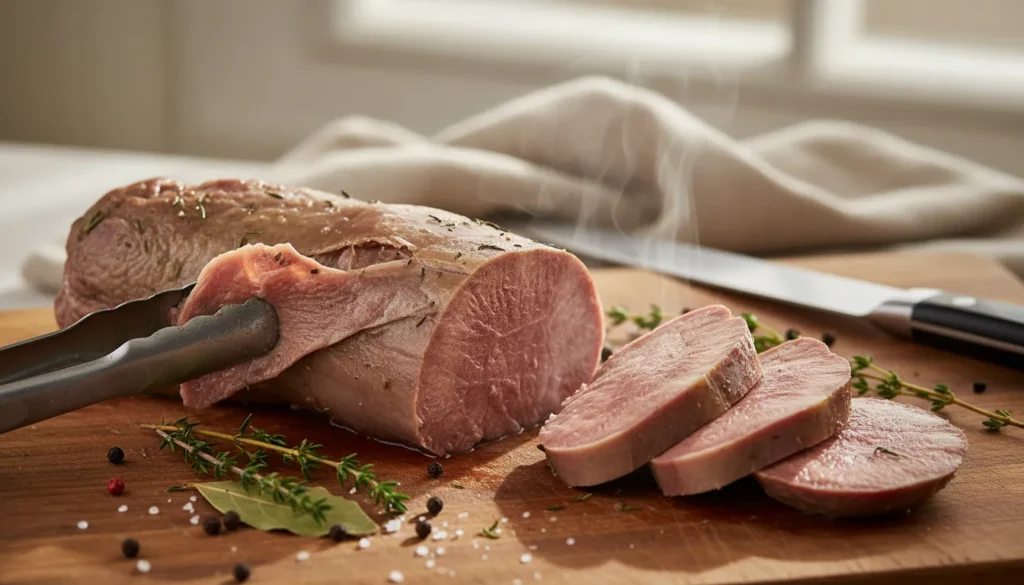
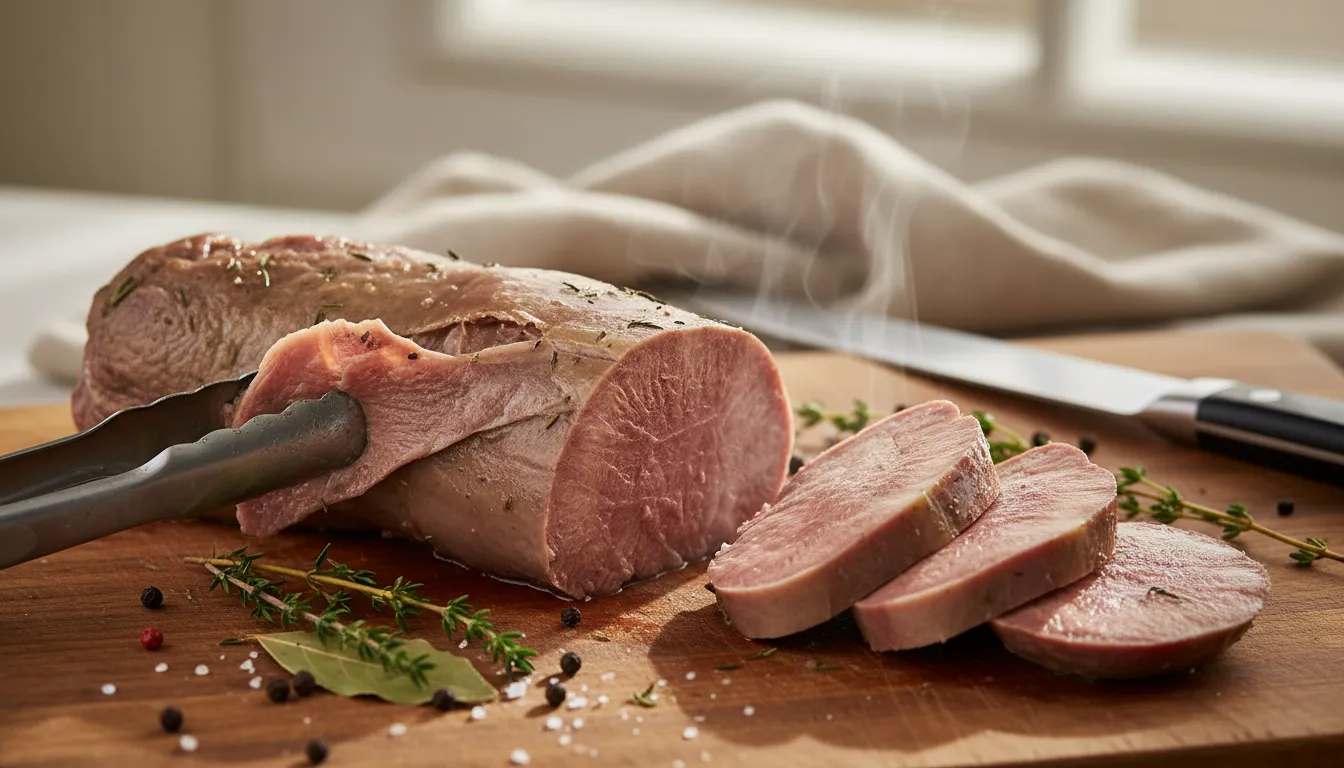
- Slice Properly: Place tongue on a cutting board. Using a sharp knife, slice crosswise (perpendicular to the length) into ¼ to ½-inch slices. The meat should be uniform in texture throughout.
- Optional Searing: For added flavor, heat olive oil or butter in a skillet over medium-high heat. Sear sliced tongue 2-3 minutes per side until golden brown. This creates textural contrast and deepens flavor through caramelization.
Expert Tips for Perfect Beef Tongue Every Time
Tip 1: Peel While Hot – This cannot be stressed enough. Hot tongue peels easily; cooled tongue is a nightmare. If it does cool, return it to the hot cooking liquid for 5 minutes to warm up before attempting to peel.
Tip 2: Save That Broth – The cooking liquid makes incredible soup base or can be reduced into a rich sauce. Strain out solids, cool, and refrigerate. Any fat will solidify on top for easy removal.
Tip 3: Cook Ahead – Tongue is perfect for meal prep. Cook it 1-2 days ahead, store whole in the fridge, then slice and sear when ready to serve. The flavor actually improves.
Tip 4: Test for Doneness Early – Start checking at the 2-hour mark. Tongue size varies, so cooking time isn’t absolute. Better to check early than overcook.
Tip 5: Embrace the Adventure – If this is your first time, approach it with curiosity rather than apprehension. The result is genuinely delicious, not “adventurous eating for the sake of it.”
Serving Suggestions & Pairings
Classic Preparations:
- Lengua Tacos: Diced tongue with cilantro, onion, salsa verde (Mexican street food classic)
- Tongue Sandwiches: Thinly sliced on rye with horseradish cream, pickles, mustard
- Japanese-Style: Sliced and grilled, served with lemon and salt
- French-Style: Sliced with sauce gribiche or mustard cream sauce
Side Dishes:
- Pickled vegetables (cuts richness beautifully)
- Simple arugula salad with lemon vinaigrette
- Roasted potatoes or potato purée
- Sauerkraut (traditional pairing)
- Grilled vegetables
Sauces:
- Horseradish cream sauce
- Chimichurri (bright, herbaceous)
- Salsa verde (tomatillo-based)
- Mustard sauce (Dijon or whole grain)
- Simple lemon and olive oil
Wine Pairing: Medium-bodied reds like Côtes du Rhône, Tempranillo, or Malbec complement the rich meat without overwhelming it.
Storage, Freezing & Reheating
Refrigerator: Store whole cooked and peeled tongue in an airtight container with a splash of cooking liquid for up to 5 days. Slice only what you’ll eat—whole tongue stays moister. Sliced tongue keeps 3-4 days.
Freezer: Cooked, peeled tongue freezes excellently for up to 3 months. Wrap tightly in plastic wrap, then foil. Thaw overnight in refrigerator. The texture remains excellent after freezing.
Reheating: For whole tongue, warm gently in simmering broth for 15-20 minutes. For slices, the best method is pan-searing—heat a skillet with butter or oil and warm slices for 2 minutes per side. Avoid microwaving if possible, as it can make the texture rubbery.

Frequently Asked Questions
Q: Does beef tongue taste “weird” or gamey? A: Not at all. Properly cooked tongue tastes like exceptionally tender, mildly flavored beef—similar to brisket but more delicate. There’s no “organ meat” flavor. Most people who try it are surprised by how mild and pleasant it tastes.
Q: How long does it take to cook a beef tongue recipe? A: Plan on 2.5 to 3 hours of simmering time, plus 30 minutes prep and peeling. It’s mostly hands-off cooking, making it perfect for weekend meal prep.
Q: Is beef tongue healthy? A: Yes! Tongue is lean protein packed with B12, iron, zinc, and choline. A 3-ounce serving contains about 240 calories and 16g protein. It’s lower in fat than many popular cuts.
Q: What if I can’t peel the skin? A: The tongue wasn’t cooked long enough or has cooled too much. Return it to the hot cooking liquid for 5-10 minutes, then try again while very warm. The skin should peel away in sheets.
Q: Can I cook beef tongue in a slow cooker or Instant Pot? A: Absolutely! Slow cooker: 8 hours on low. Instant Pot: 90 minutes at high pressure with natural release. Both methods work excellently, though stovetop gives you more control.
Conclusion
Mastering this beef tongue recipe opens up a world of culinary possibilities. What might seem intimidating at first becomes a simple, rewarding process: simmer until tender, peel while hot, slice, and enjoy. The result is restaurant-quality meat at a fraction of the cost, with flavor and texture that rivals (and often surpasses) expensive steaks.
Ready to expand your beef cooking skills even further? Explore our comprehensive steak cooking guide to master everything from quick-searing to slow-braising techniques across all cuts.
Take the plunge! Try this recipe, rate it below, and share your results. Pin this to your adventurous cooking board on Pinterest so you can find it again!