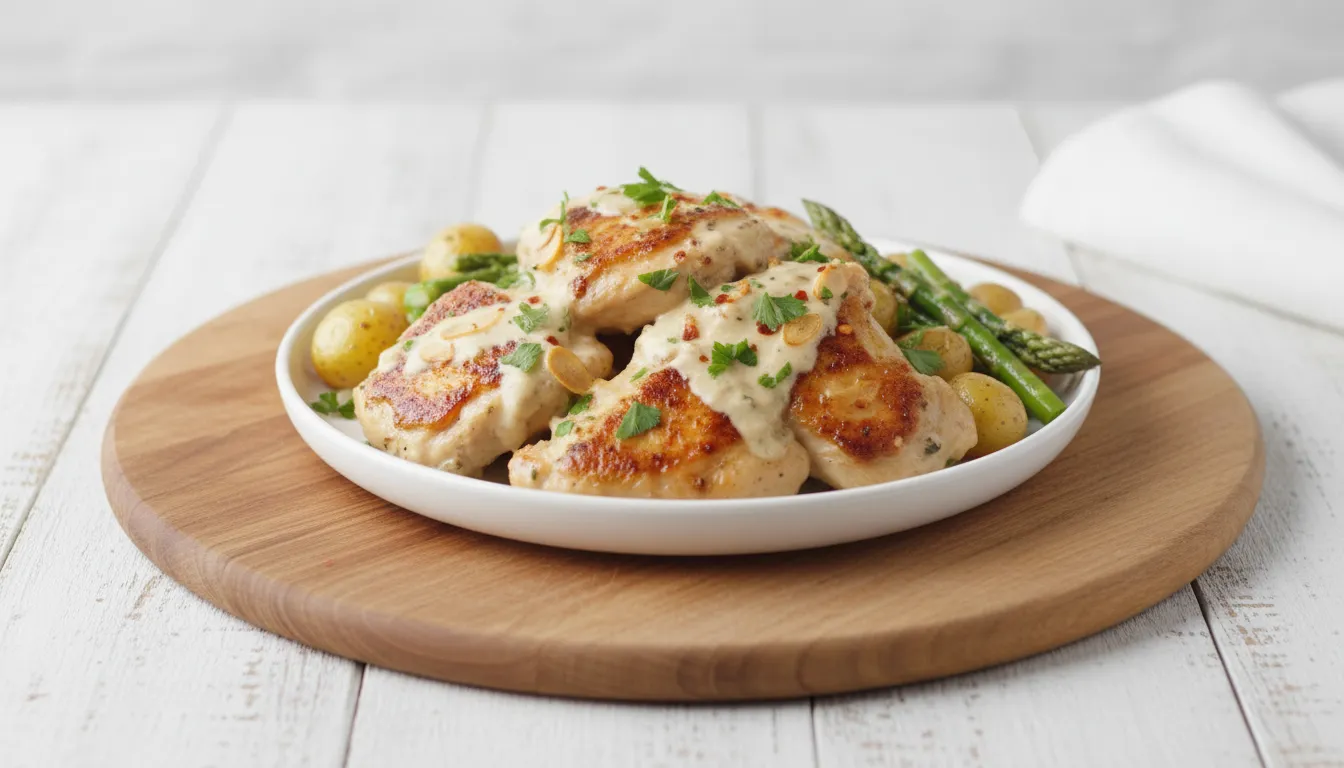
Creamy Garlic Chicken Recipe
Why do so many home cooks struggle with chicken that turns out dry or flavorless? The answer often lies in the cooking method and the lack of a sufficient moisture barrier during the heating process. While chicken breast is a staple protein in many households due to its versatility, it is also lean, making it susceptible to overcooking.
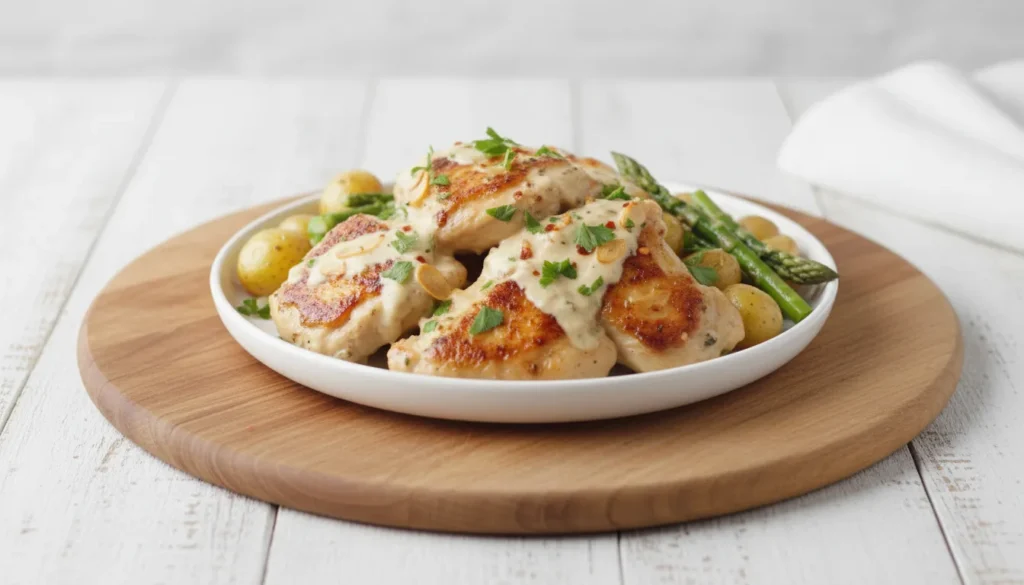
This creamy garlic chicken recipe addresses that common culinary challenge by utilizing a pan-searing technique followed by a gentle simmer in a rich, savory sauce. By combining aromatic garlic with a velvety cream base, this dish transforms simple ingredients into a restaurant-quality meal that is manageable for a weeknight dinner.
Many people assume that creating a cohesive cream sauce requires advanced culinary training or complex thickeners. However, this recipe demonstrates how to build flavor layers using a single skillet. From deglazing the fond (the browned bits at the bottom of the pan) to emulsifying the cheese and cream, every step is designed to maximize taste without unnecessary complications. Whether you are cooking for a family gathering or preparing a meal prep solution for the week, this dish provides a reliable balance of savory flavors and tender textures. 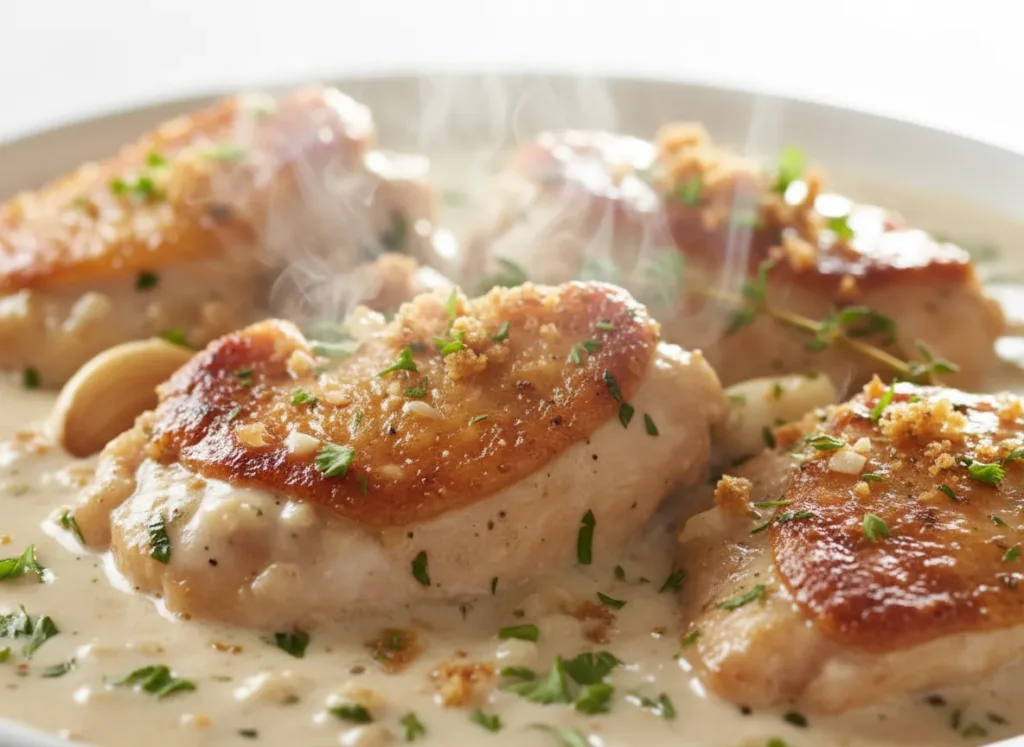
Ingredients List
To achieve the best results for this skillet meal, selecting fresh, high-quality ingredients is essential. Below is the list of items required to prepare the dish.
Main Protein:
-
Boneless, skinless chicken breasts: 2 large breasts, sliced horizontally into cutlets or pounded to an even thickness. This ensures even cooking.
-
Salt and black pepper: To taste, for seasoning the meat prior to searing.
-
Garlic powder: 1 teaspoon, for a deeper layer of flavor on the crust of the chicken.
-
Olive oil: 1 tablespoon, for searing the meat.
-
Unsalted butter: 1 tablespoon, to add richness during the searing process.
The Creamy Garlic Sauce:
-
Fresh garlic cloves: 5–6 cloves, minced finely. Fresh garlic is preferred over jarred varieties for aromatic potency.
-
Chicken broth or stock: 1/2 cup. Low-sodium options allow you to control the salt content better.
-
Heavy cream (or heavy whipping cream): 1 cup. This provides the necessary fat content to prevent curdling when heated.
-
Parmesan cheese: 1/2 cup, freshly grated. Pre-shredded cheese often contains anti-caking agents that can affect the smoothness of the sauce.
-
Fresh spinach: 2 cups (optional). Adds color and texture to the dish.
-
Lemon juice: 1 teaspoon. The acidity helps cut through the richness of the cream.
-
Fresh parsley: Chopped, for garnish.
Substitutions:
-
Chicken Thighs: Boneless, skinless chicken thighs can be used for a slightly juicier result, though cooking times may increase slightly.
-
Broth: Vegetable broth can substitute for chicken broth if preferred.
-
Greens: Kale or Swiss chard can replace spinach, though they require a few extra minutes to wilt.
Timing
Understanding the timing is crucial for coordinating side dishes. This recipe is designed to be efficient.
-
Preparation Time: 15 minutes
-
Cooking Time: 20 minutes
-
Total Time: 35 minutes
Comparative Context:
Compared to roasting a whole chicken, which can take upwards of an hour, or preparing a slow-cooker stew, this stovetop method offers a significantly faster route to a complete protein main course. It fits well within the timeframe of a standard 30-minute meal window if ingredients are prepped beforehand.
Step-by-Step Instructions
Step 1: Prepare the Chicken
Begin by ensuring your chicken breasts are of even thickness. If the breasts are very thick, slice them horizontally to create two cutlets from each breast, or place them between plastic wrap and pound them gently with a meat mallet. This mechanical tenderization helps the protein cook uniformly, preventing dry edges. Pat the chicken dry with paper towels to remove excess moisture, which is critical for achieving a good sear. Season both sides generously with salt, pepper, and garlic powder.
Step 2: Sear the Protein
Place a large skillet or deep pan over medium-high heat. Add the olive oil and allow it to shimmer before adding the butter. Once the butter foams, carefully place the chicken cutlets in the pan. Do not overcrowd the pan; cook in batches if necessary. Cook for 4–5 minutes on each side until a golden-brown crust forms. The chicken should reach an internal temperature of 165°F (74°C). Remove the chicken from the pan and set it aside on a plate. Retaining the juices on the plate is important, as they will be added back later.
Step 3: Sauté the Aromatics
Reduce the heat to medium. In the same pan, there should be residual fat and browned bits left from the chicken. Add the minced fresh garlic to the pan. Sauté the garlic for approximately 1 minute, stirring constantly to prevent burning. Burnt garlic can impart a bitter taste to the entire dish, so keep it moving until it becomes fragrant and soft.
Step 4: Deglaze the Pan
Pour the chicken broth (or white wine if you prefer a different flavor profile) into the hot skillet. As the liquid hits the pan, it will steam vigorously. Use a wooden spoon or silicone spatula to scrape the bottom of the pan, loosening the browned bits. This technique, known as deglazing, incorporates the savory caramelized flavors into the liquid base of the sauce. Let this liquid simmer for about 3 minutes to reduce slightly.
Step 5: Construct the Sauce
Lower the heat to medium-low. Slowly pour in the heavy cream while stirring. Bring the mixture to a gentle simmer—do not let it come to a rolling boil, as high heat can cause dairy to separate. Stir in the freshly grated Parmesan cheese until it melts completely and the sauce thickens. If using spinach, add the fresh leaves now and stir until they are wilted, which typically takes 1–2 minutes. Finally, stir in the lemon juice.
Step 6: Combine and Serve
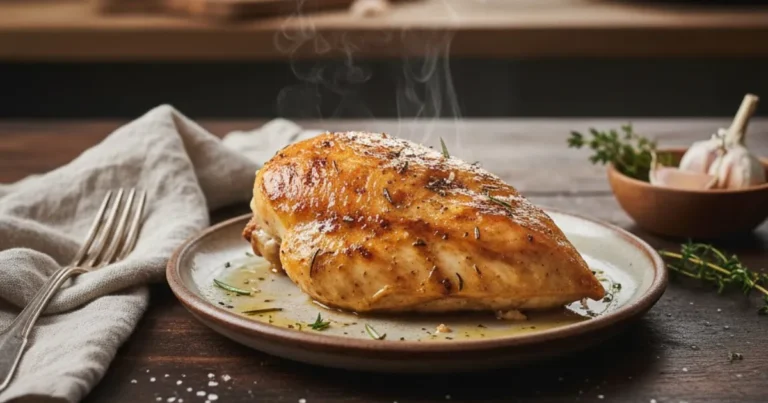
Return the cooked chicken breasts and any juices that have accumulated on the plate back into the skillet. Spoon the creamy sauce over the chicken to coat it thoroughly. Allow the chicken to reheat in the sauce for 1–2 minutes, ensuring everything is warm. Garnish with chopped fresh parsley before serving.
Nutritional Information
The following values are estimates based on standard ingredients. Nutritional content can vary based on specific brands used or portion sizes.
-
Serving Size: 1 Chicken Breast with Sauce
-
Calories: ~550 kcal
-
Protein: 35g
-
Total Fat: 42g
-
Saturated Fat: 22g
-
Carbohydrates: 6g
-
Fiber: 1g
-
Sodium: 650mg
Note: This recipe is naturally low in carbohydrates, making it suitable for those monitoring carb intake, but it is high in dietary fats due to the cream and cheese.
Healthier Alternatives for This Recipe
For those looking to adjust the nutritional profile of this dish, there are several modifications that can alter the calorie density or fat content without completely sacrificing the texture.
-
Reduce Fat Content: You can substitute half-and-half or evaporated milk for the heavy cream. While the sauce may be slightly thinner, it will significantly reduce the saturated fat.
-
Increase Fiber: Doubling the amount of spinach or adding other vegetables like sliced mushrooms, zucchini rounds, or bell peppers can increase the volume of the meal and add dietary fiber.
-
Lower Sodium: Utilizing unsalted butter and low-sodium chicken broth allows you to control the salt level. You can rely more on garlic, onion powder, and fresh herbs for flavor rather than salt.
-
Protein Swap: This sauce works equally well with turkey cutlets or firm white fish, which can offer different micronutrient profiles.
Serving Suggestions
This creamy garlic chicken pairs well with a variety of sides, making it a versatile option for different dining occasions.
-
Starch Pairings: The rich sauce is excellent when served over pasta, such as fettuccine, linguine, or penne, which hold the sauce well. For a classic comfort meal, serve it atop creamy mashed potatoes or fluffy white rice.
-
Low-Carb Options: To keep the meal lighter, serve the chicken alongside cauliflower rice, zucchini noodles (zoodles), or roasted asparagus.
-
Bread: A slice of crusty sourdough or garlic bread is useful for soaking up the remaining sauce on the plate.
-
Salad: A crisp green salad with a vinaigrette dressing provides a refreshing contrast to the richness of the creamy sauce.
Common Mistakes to Avoid
Even with a straightforward recipe, certain pitfalls can affect the final quality of the dish.
-
Overcooking the Chicken: Chicken breast has very little fat, so it dries out quickly. Use a meat thermometer to ensure you pull the chicken off the heat right at 165°F (74°C).
-
Burning the Garlic: Garlic cooks very fast. If the pan is too hot after searing the chicken, the garlic can burn in seconds. Always lower the heat before adding delicate aromatics.
-
Curdling the Sauce: Dairy products can separate if boiled vigorously or if an acid (like lemon juice) is added while the cream is boiling hot. Keep the heat low when adding cream and cheese.
-
Using Cold Meat: Putting ice-cold chicken directly into a hot pan can cause the meat to seize and cook unevenly. Let the chicken sit at room temperature for 10–15 minutes before cooking.
-
Overcrowding the Skillet: If the chicken pieces are touching or overlapping, they will steam instead of sear, preventing the formation of that flavorful golden-brown crust.
Storing Tips
Proper storage helps maintain the quality of leftovers, although cream-based sauces are best enjoyed fresh.
-
Refrigeration: Store leftovers in an airtight container in the refrigerator. The chicken will remain good for 3 to 4 days.
-
Reheating: Reheat gently on the stovetop over low heat. You may need to add a splash of water or broth to loosen the sauce, as it will thicken significantly when cold. Avoid high heat or microwaving for too long, as this can cause the oil to separate from the cream.
-
Freezing: It is generally not recommended to freeze dishes with heavy cream sauces, as the texture can become grainy upon thawing. If you must freeze it, do so in a sealed container for up to 2 months, and thaw slowly in the refrigerator before reheating gently.
Conclusion
This creamy garlic chicken recipe offers a perfect balance of tender protein and rich, savory sauce, all prepared in a single pan. It requires minimal prep time yet delivers a sophisticated flavor profile suitable for busy weeknights or special occasions. By following the simple searing and simmering techniques, you can achieve a moist, flavorful result every time.
Next Step: We invite you to try this recipe in your own kitchen! Please leave a comment below to let us know how it turned out, share your own modifications, and subscribe to our newsletter for more delicious, reliable recipes delivered straight to your inbox.
FAQs
1. Can I use milk instead of heavy cream?
Using standard milk alone will result in a very thin sauce that may curdle. If you must use milk, it is best to mix it with a small amount of flour or cornstarch (a slurry) to help thicken the sauce and stabilize the dairy.
2. How do I thicken the sauce if it is too runny?
If the sauce is not coating the back of a spoon, simply let it simmer for a few more minutes to reduce. Alternatively, you can stir in a little more grated Parmesan cheese, which acts as a natural thickener.
3. Is this recipe gluten-free?
Yes, as written, this recipe is gluten-free. However, always double-check the labels on your chicken broth and spices to ensure they were processed in a gluten-free facility.
4. Can I add mushrooms to this dish?
Absolutely. Sliced cremini or button mushrooms are a fantastic addition. Sauté them in the pan after removing the chicken, right before adding the garlic, to ensure they brown nicely.
5. What is the best wine to use for deglazing?
A dry white wine, such as Pinot Grigio, Sauvignon Blanc, or an un-oaked Chardonnay, works best. The wine adds acidity and depth. If you do not consume alcohol, chicken broth is a perfectly suitable substitute.
6. Why is my sauce grainy?
A grainy sauce is usually caused by high heat. If the cheese is added to boiling liquid, the proteins can seize. Always remove the pan from high heat or turn it down to low before stirring in the Parmesan cheese.
7. Can I use pre-cooked chicken?
Yes, this is a great way to use leftover rotisserie chicken. Skip the searing step, prepare the sauce as instructed, and then add the cooked chicken at the end just to warm it through.