Smothered Turkey Wings Recipe: How to Make Rich Gravy
A smothered turkey wings recipe creates rich gravy by building a roux (flour and fat cooked together) as the foundation, then slowly simmering wings in seasoned broth until the sauce thickens and coats every bite. The key is achieving the right roux color for deep flavor.
Thin, watery pan drippings that slide right off your turkey wings. Lumpy, flour-tasting “gravy” that nobody wants seconds of. We’ve all experienced the disappointment of weak sauce.
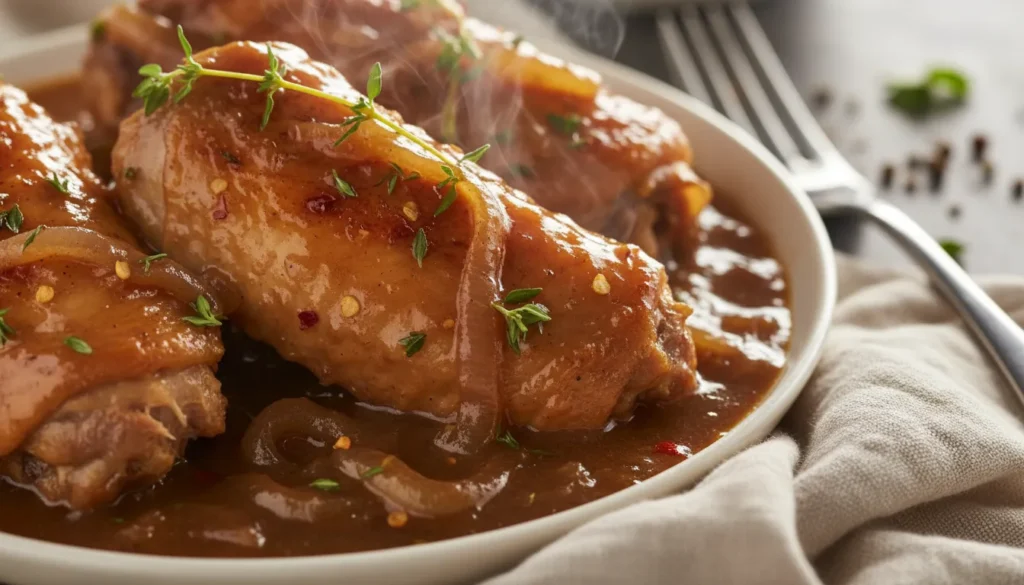
But smothered turkey wings with thick, velvety gravy that clings to every crevice? That’s soul food perfection. This recipe teaches you the roux method—the secret technique that transforms simple pan drippings into restaurant-quality gravy.
The magic? A properly cooked roux plus deglazing captures all the caramelized flavor stuck to your pan and suspends it in silky sauce. For more essential poultry techniques, check out our ultimate guide to cooking chicken tips and techniques.
Get ready to smother everything in sight.
Why This Smothered Turkey Wings Recipe Works
- Fall-Off-the-Bone Tender: Low and slow braising breaks down tough connective tissue
- Flavor Layered: Browning wings first adds depth before the simmer
- Gravy Science: The roux method guarantees lump-free, thick sauce every time
- One-Pot Meal: Everything cooks together in a Dutch oven or deep skillet
- Budget-Friendly: Turkey wings cost less than breast meat but deliver more flavor
- Crowd-Pleaser: Feeds 4-6 people generously with minimal effort
Choosing the Best Turkey Wings
Fresh vs. Frozen: Fresh turkey wings brown better and have superior texture, but frozen work if thawed completely (24 hours in fridge). Never cook from frozen—they’ll release too much water and prevent browning.
Size Matters: Look for medium-sized wings (about 1-1½ lbs each). Huge wings take forever to cook; tiny ones dry out. You want meaty wings with a good fat cap.
Quality Check: The skin should be intact and creamy-colored (not gray). Avoid packages with excess liquid pooling at the bottom—this indicates the wings were frozen and thawed multiple times.
Safety First: Never wash raw turkey wings. According to the USDA food safety guidelines, washing poultry spreads bacteria across your sink and counters. Cooking to 165°F kills all pathogens safely.
Ingredients List
| Quantity | Ingredient |
|---|---|
| 4 lbs | Turkey Wings (3-4 wings, tips removed) |
| ¼ cup | All-Purpose Flour (for dredging) |
| ⅓ cup | All-Purpose Flour (for roux) |
| ⅓ cup | Butter or Vegetable Oil |
| 1 large | Yellow Onion (sliced) |
| 3 cloves | Garlic (minced) |
| 3 cups | Low-Sodium Chicken Broth |
| 1 tbsp | Poultry Seasoning |
| 1 tsp | Smoked Paprika |
| 1 tsp | Black Pepper |
| ¾ tsp | Sea Salt |
| ½ tsp | Cayenne Pepper (optional) |
| 2 | Bay Leaves |
| 2 tbsp | Fresh Thyme (or 1 tsp dried) |
Ingredients Notes
The Two Flours: You need flour twice—once for dredging the wings (creates initial browning) and once for the roux (thickens gravy). Don’t mix these up or skip the dredging step.
The Fat (Butter vs. Oil): Butter creates richer, more flavorful gravy. Oil has a higher smoke point and won’t burn during browning. Compromise: Use half butter, half oil for best results.
The Broth: Low-sodium is essential because the sauce reduces and concentrates. Full-sodium broth becomes too salty. Use chicken broth, not turkey stock—it has better flavor balance for this dish.
The Aromatics: Onions release moisture and sweetness during the long braise. Garlic adds pungency. Both break down into the gravy, adding complexity.
Step-by-Step Instructions
Recipe Card
🛠 Equipment Needed
- Large Dutch oven or deep skillet with lid
- whisk
- instant-read thermometer
- tongs
Prep the Wings
Pat wings completely dry with paper towels. This is critical—wet skin won’t brown properly. Cut each wing into 3 sections (drumette, flat, tip) using kitchen shears. Discard tips or save for stock.
Season wings with salt, pepper, and half the poultry seasoning. Let sit at room temperature for 15 minutes while you prep other ingredients.
Dredge in flour: Place ¼ cup flour in a shallow dish. Lightly coat each wing piece, shaking off excess. This creates a thin coating that browns beautifully and helps thicken gravy later.
Brown the Wings
Heat 2 tablespoons oil in a large Dutch oven or deep skillet over medium-high heat. Once shimmering, add wings in a single layer (work in batches if needed—don’t crowd).
Brown for 4-5 minutes per side without moving. You want deep golden-brown color. Remove wings to a plate when done. They won’t be cooked through—that’s okay.
Make the Roux
Reduce heat to medium. Add remaining oil/butter to the pan (⅓ cup total fat). Once melted, whisk in ⅓ cup flour and stir constantly.
Cook the roux for 5-7 minutes, stirring constantly with a wooden spoon. Watch the color change from pale blonde to peanut butter brown. This is your flavor foundation. Don’t rush this—dark roux = deep gravy flavor. Stop when it smells nutty and reaches milk chocolate color.
Build the Gravy
Add onions to the hot roux and stir for 2 minutes until softened. Add garlic and cook 30 seconds.
Slowly pour in chicken broth while whisking constantly. This is called “deglazing.” The cold liquid hitting hot roux will bubble and steam—keep whisking to prevent lumps. Scrape all brown bits from the bottom of the pan—that’s pure flavor.
Add remaining seasonings (paprika, remaining poultry seasoning, cayenne, bay leaves, thyme). Stir well and bring to a simmer.
Smother and Braise
Return wings to the pot, nestling them into the gravy. The liquid should come halfway up the wings. If it doesn’t, add more broth.
Cover and simmer on low for 1½ to 2 hours. Check every 30 minutes and turn wings. The gravy will thicken as it cooks. If it gets too thick, add ¼ cup broth. If too thin, simmer uncovered for the last 15 minutes.
The Doneness Test
Wings are done when an instant-read thermometer inserted into the thickest part (avoiding bone) reads 165°F (74°C). More importantly, the meat should be so tender it’s almost falling off the bone.
Taste the gravy and adjust seasoning. It should be rich, savory, and coat the back of a spoon thickly.
Resting
Let the pot sit off heat for 10 minutes before serving. This allows the gravy to thicken slightly and the wings to reabsorb some liquid.
3 Secrets for Perfect Gravy Every Time
Secret #1: Roux Color Is Everything – Pale roux makes weak, flour-tasting gravy. Medium-brown roux (peanut butter color) creates rich, nutty flavor. Don’t stop stirring until you get there.
Secret #2: Whisk Like Your Life Depends On It – When adding liquid to roux, whisk constantly and vigorously. Lumps form when flour clumps aren’t broken up immediately by liquid.
Secret #3: Low and Slow Wins – High heat makes gravy break (fat separates from liquid). Keep it at a gentle simmer, not a rolling boil, for smooth, emulsified sauce.
Serving Suggestions
Classic Soul Food: Serve over white rice, mashed potatoes, or creamy grits. The gravy is the star—you need something to soak it up.
With Greens: Collard greens, turnip greens, or braised cabbage balance the richness.
Cornbread: Essential for sopping up every last drop of gravy.
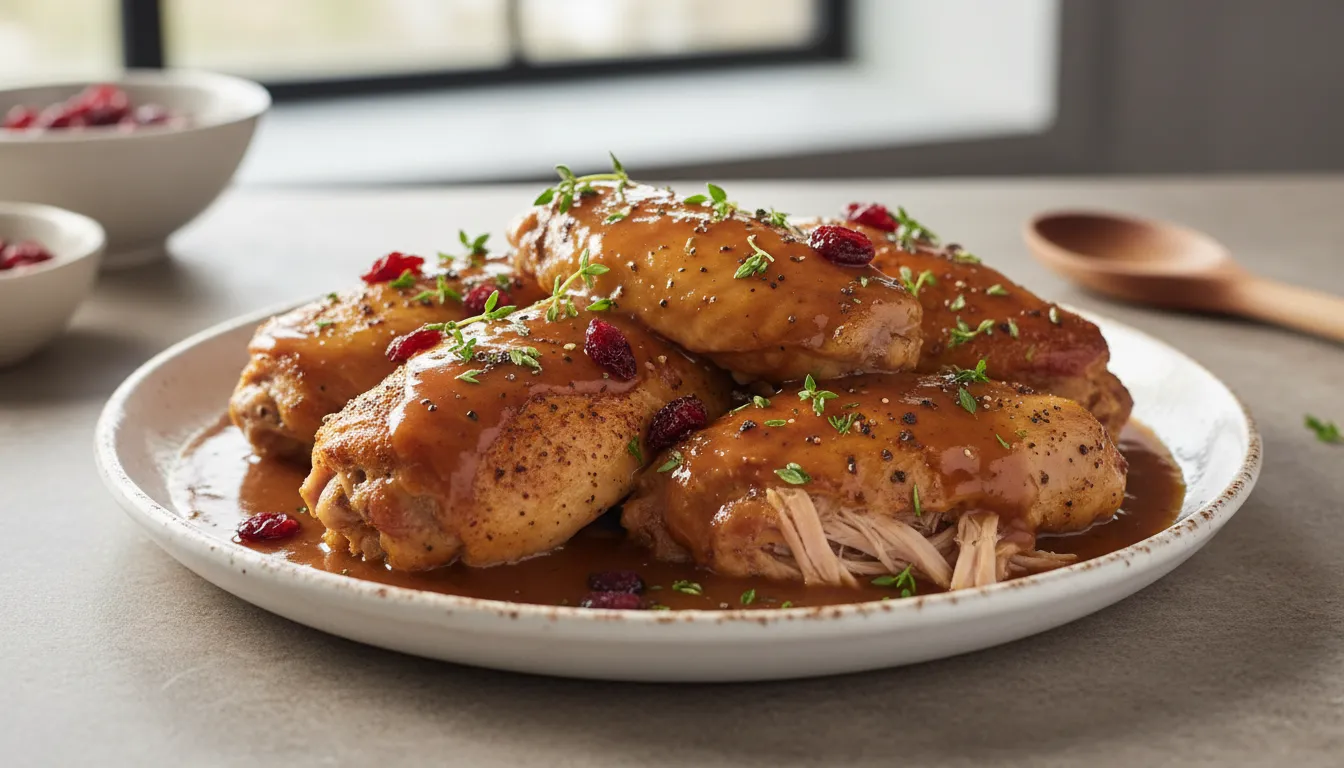
Family Style: Arrange wings on a platter, pour gravy over top, garnish with fresh thyme.
Storage & Reheating
Refrigerator: Store wings and gravy together in an airtight container for 3-4 days. The gravy will solidify when cold—this is normal.
Freezer: Freezes for 2-3 months. Portion into individual servings for easy reheating.
Reheating: Add ¼ cup broth or water to the container. Microwave at 70% power for 3-4 minutes, stirring halfway. Or reheat in a covered pot over medium-low heat for 10 minutes, stirring occasionally.
Gravy Too Thick After Refrigeration? Whisk in warm broth, a tablespoon at a time, until it reaches desired consistency.
Frequently Asked Questions
Can I use turkey drumsticks instead of wings?
Yes. Increase cooking time to 2-2½ hours since drumsticks are larger and have more connective tissue.
My gravy has lumps. How do I fix it?
Pour through a fine-mesh strainer into a clean pot. Or use an immersion blender for 10 seconds to smooth it out.
Can I make this in a slow cooker?
Yes. Brown wings and make roux in a skillet first, then transfer everything to slow cooker. Cook on low for 4-5 hours.
Is dark meat turkey safe if slightly pink?
Yes, if it reaches 165°F. Dark meat can remain slightly pink due to myoglobin. Temperature, not color, determines safety.
Conclusion
Thick, rich gravy clinging to fall-apart tender turkey wings—this is the comfort food that makes you close your eyes and smile. No more watery pan drippings or flour-flavored disappointment.
The secret is simple: master your roux, deglaze properly, and braise low and slow. That’s how you create gravy worthy of the name.
Pin this recipe, leave a comment about your gravy success, and let me know what soul food classic you want next!