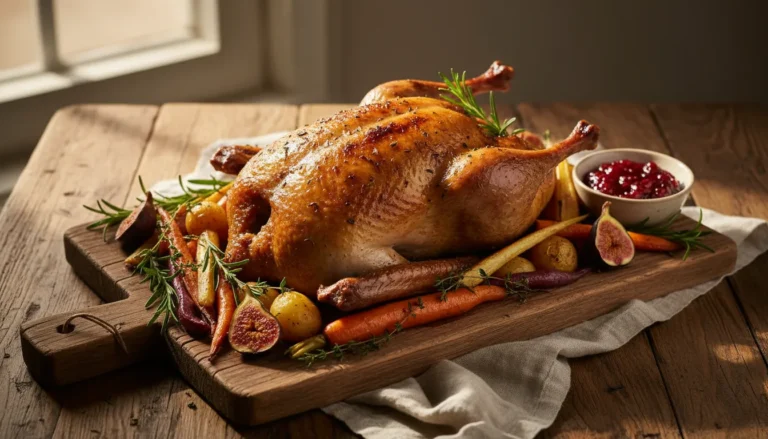
Smoked Duck Recipe: Best Maple Glaze
A smoked duck recipe achieves tender, smoky meat by smoking at 225°F for 3-4 hours over fruit wood (apple or cherry), basting with maple glaze every 30 minutes. The key is using fruit wood for sweet smoke flavor that complements duck’s richness without overwhelming it.
Dry, over-smoked duck that tastes like an ashtray. Flabby skin that never crisps in the smoker. The frustration of investing hours only to serve greasy, disappointing meat.
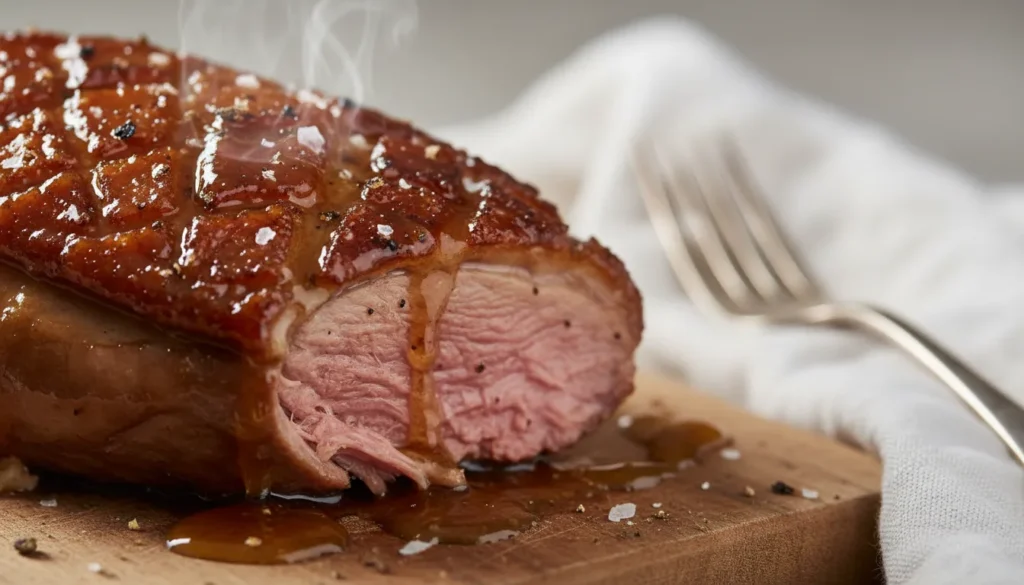
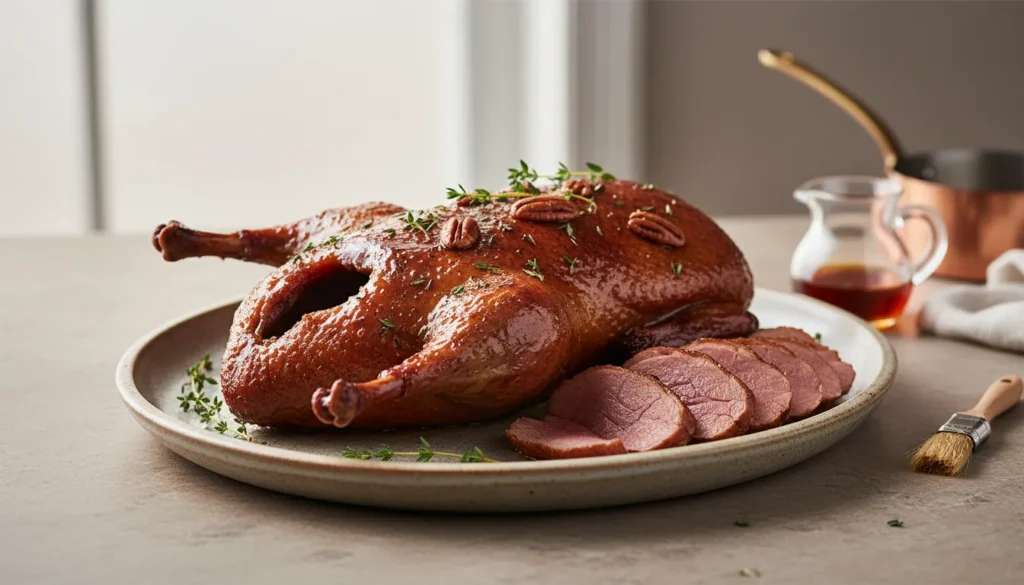
But perfectly smoked duck with a sweet maple glaze, tender meat, and crispy skin transforms your backyard into a smokehouse masterpiece. This recipe uses fruit wood and the right temperature to balance smoke and sweetness.
The secret? Low and slow smoking with apple or cherry wood creates delicate smoke that enhances rather than overpowers duck’s natural richness. For more poultry preparation techniques, check out our ultimate guide to cooking chicken techniques and tips.
Get ready to fire up your smoker for the best duck you’ve ever tasted.
Why This Smoked Duck Recipe Works
- Perfectly Balanced: Sweet maple glaze cuts through rich duck fat
- Fruit Wood Magic: Apple or cherry adds subtle sweetness, not harsh smoke
- Crispy Skin: Low-and-slow rendering plus high-heat finish
- Showstopper: Impressive centerpiece for outdoor gatherings
- Versatile: Works on any type of smoker
- Worth the Time: Set it and forget it while smoke does the work
Choosing the Best Duck
Duck Type: Long Island (Pekin) duck is ideal for smoking—4-5 lbs with good fat content. Avoid Muscovy ducks (too lean) or Moulard ducks (too large for even smoking).
Fresh vs. Frozen: Fresh duck smokes better because the skin is drier. If using frozen, thaw in the refrigerator for 48 hours and pat completely dry before seasoning.
Quality Check: Look for intact skin with no tears. A thick layer of yellow fat under the skin is desirable—it bastes the meat during smoking.
Safety Rule: Never wash raw duck. According to the USDA poultry handling guidelines, washing spreads bacteria. Smoking to 165°F safely eliminates all pathogens.
Ingredients List
For the Duck:
| Quantity | Ingredient |
|---|---|
| 1 | Whole Duck (4-5 lbs) |
| 2 tbsp | Olive Oil |
| 1 tbsp | Kosher Salt |
| 1 tsp | Black Pepper |
| 1 tsp | Garlic Powder |
| 1 tsp | Smoked Paprika |
| 1 | Orange (quartered) |
| 4 sprigs | Fresh Thyme |
For the Maple Glaze:
| Quantity | Ingredient |
|---|---|
| ½ cup | Pure Maple Syrup |
| ¼ cup | Apple Cider Vinegar |
| 2 tbsp | Dijon Mustard |
| 2 tbsp | Soy Sauce |
| 2 cloves | Garlic (minced) |
| 1 tsp | Fresh Ginger (grated) |
| ¼ tsp | Cayenne Pepper |
For Smoking:
| Quantity | Ingredient |
|---|---|
| 3-4 cups | Apple or Cherry Wood Chips (soaked) |
Ingredients Notes
The Maple Syrup: Use pure maple syrup, not pancake syrup. The real stuff has complex flavor that caramelizes beautifully. Imitation syrup burns and tastes artificial.
The Apple Cider Vinegar: Adds tang and helps cut through the fat. It also creates a sticky glaze that adheres to the skin.
The Fruit Wood: Apple and cherry woods are essential for duck. Hickory or mesquite are too strong and overpower the delicate meat. Fruit woods add subtle sweetness.
The Orange and Thyme: Aromatics inside the cavity flavor the meat from within and add moisture during the long smoke.
Step-by-Step Instructions
Recipe Card
🛠 Equipment Needed
- Smoker or grill
- instant-read thermometer
- basting brush
- small saucepan
- aluminum foil
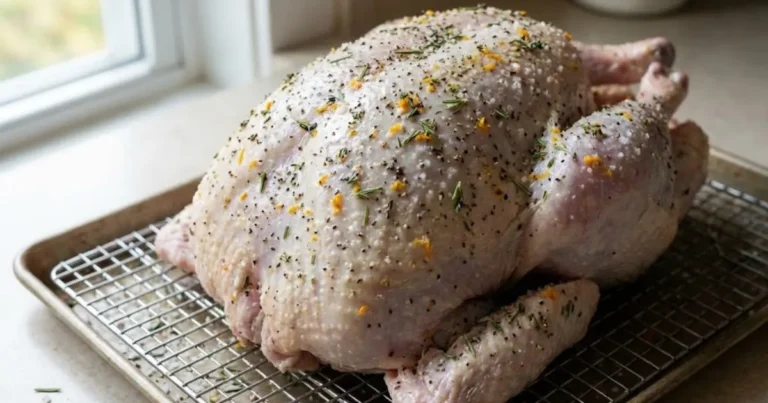
Prep the Duck
Remove giblets and neck from cavity. Trim excess fat from the opening but leave the fat layer under the skin intact.
Prick the skin all over with a fork, especially the breast and thighs. This allows fat to render out during smoking. Don’t pierce the meat—only the skin.
Pat completely dry inside and out with paper towels. Moisture prevents proper smoke adhesion and skin crisping.
Stuff cavity with orange quarters and thyme sprigs.
Rub with olive oil, then season generously with salt, pepper, garlic powder, and smoked paprika inside and out.
Refrigerate uncovered for 2-4 hours. This dries the skin further for better crisping.
Make the Maple Glaze
Combine all glaze ingredients in a small saucepan: maple syrup, vinegar, mustard, soy sauce, garlic, ginger, and cayenne.
Simmer over medium heat for 5-7 minutes until slightly thickened. It should coat the back of a spoon.
Set aside half for serving. Use the other half for basting.
Prepare the Smoker
Soak wood chips in water for 30 minutes, then drain.
Preheat smoker to 225°F. This low temperature allows fat to render slowly without burning.
Add soaked wood chips to the smoker box or directly on coals. You want steady, light smoke—not billowing clouds.
Smoke the Duck
Place duck breast-side up on the smoker grate. Position it away from direct heat if possible.
Smoke for 3-4 hours, maintaining 225°F. Add more wood chips every 45 minutes to maintain smoke.
Baste with maple glaze every 30 minutes starting at the 1-hour mark. This builds flavor layers and creates a sticky, caramelized crust.
After 3 hours, check the internal temperature. Insert a thermometer into the thickest part of the thigh.
The Doneness Test
Duck is done when the thigh reaches 165°F (74°C). For maximum tenderness, duck can go to 175-180°F—the extra collagen in legs benefits from higher heat.
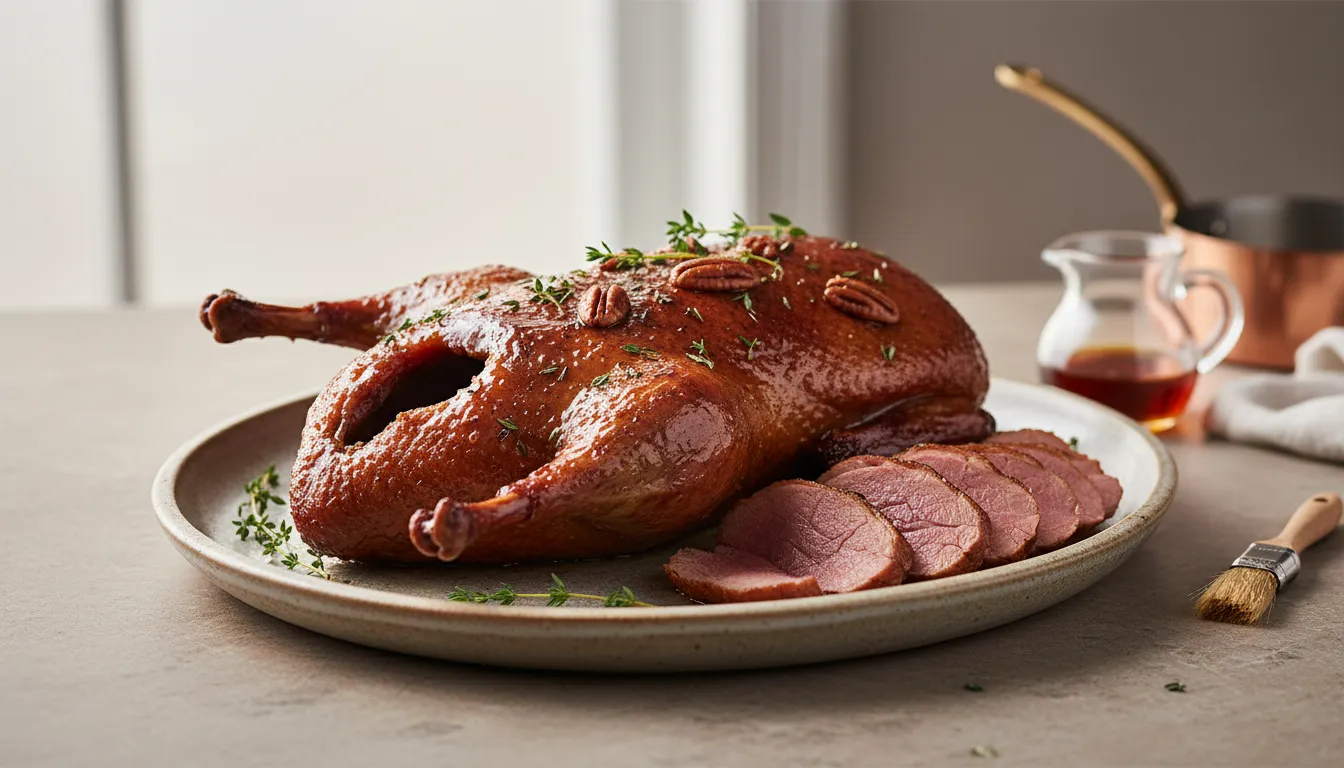
The skin should be dark mahogany and feel crispy to the touch.
Juices should run clear when you pierce the thigh joint.
Optional: High-Heat Crisp
If skin isn’t crispy enough, increase smoker temp to 350°F (or transfer to a hot grill) for the last 15 minutes. This renders remaining fat and crisps the skin.
Resting
Remove duck from smoker and tent loosely with foil. Rest for 20 minutes. This allows juices to redistribute and the skin to set.
Don’t skip this—cutting too soon releases all the flavorful juices.
3 Secrets for Perfect Smoked Duck
Secret #1: Prick the Skin, Not the Meat – Fork holes allow fat to escape but only pierce skin-deep. If you puncture the meat, juices escape and it dries out.
Secret #2: Fruit Wood Is Non-Negotiable – Apple or cherry woods are mild and slightly sweet. Stronger woods like hickory make duck taste acrid and over-smoked.
Secret #3: Multiple Thin Glaze Coats Beat One Thick One – Basting every 30 minutes builds layers of caramelized sweetness. One heavy coating burns before it sets.
Serving Suggestions
Classic Pairing: Serve with wild rice pilaf, roasted Brussels sprouts, and cranberry sauce.
Pan Sauce: Deglaze the smoker drip pan with red wine and remaining maple glaze for quick pan sauce.
Sliced Over Salad: Thinly slice smoked duck breast over mixed greens with candied pecans and goat cheese.
Duck Fat Potatoes: Save the rendered fat from the drip pan and use it to roast potatoes—pure gold.
Storage & Reheating
Refrigerator: Carve and store in airtight containers for 3-4 days. Store skin separately to keep it crispy.
Freezer: Freeze meat (not skin) for 2-3 months.
Reheating: Warm meat in a 300°F oven with a splash of broth for 15 minutes. Re-crisp skin under the broiler for 2 minutes.
Frequently Asked Questions
Can I smoke duck at a higher temperature?
Yes, but you risk rendering the fat too quickly and drying the meat. 225-250°F is the sweet spot for duck.
My skin isn’t crispy. What went wrong?
The duck wasn’t dry enough before smoking, or you didn’t prick the skin to let fat escape. Also ensure your smoker temp stays steady—too low and the fat won’t render.
Can I use a pellet grill?
Absolutely. Set it to 225°F and use apple or cherry pellets. The method stays the same.
What if I don’t have a smoker?
Use a charcoal grill set up for indirect heat with wood chips on the coals. Maintain 225°F and follow the same process.
Conclusion
Sweet, smoky duck with crispy skin and tender meat proves that smoking isn’t just for ribs and brisket. When you match fruit wood with maple glaze, you create backyard BBQ magic.
The formula is simple: fruit wood at 225°F, baste every 30 minutes, rest before carving. That’s how you master smoked duck.
Pin this recipe, leave a comment about your smoking success, and tell me what you want to smoke next!