Cilantro Chicken Marinade 3 Ingredients You Need
Quick Overview
Prep time: 10 minutes (+ 30 min marinating)
Cook time: 12-18 minutes
Total time: 52 minutes (minimum)
Servings: 4-6
Difficulty: Beginner
Best cut: Boneless, skinless chicken breasts or thighs
Key tip: Don’t marinate longer than 8 hours or the lime juice will make the chicken mushy
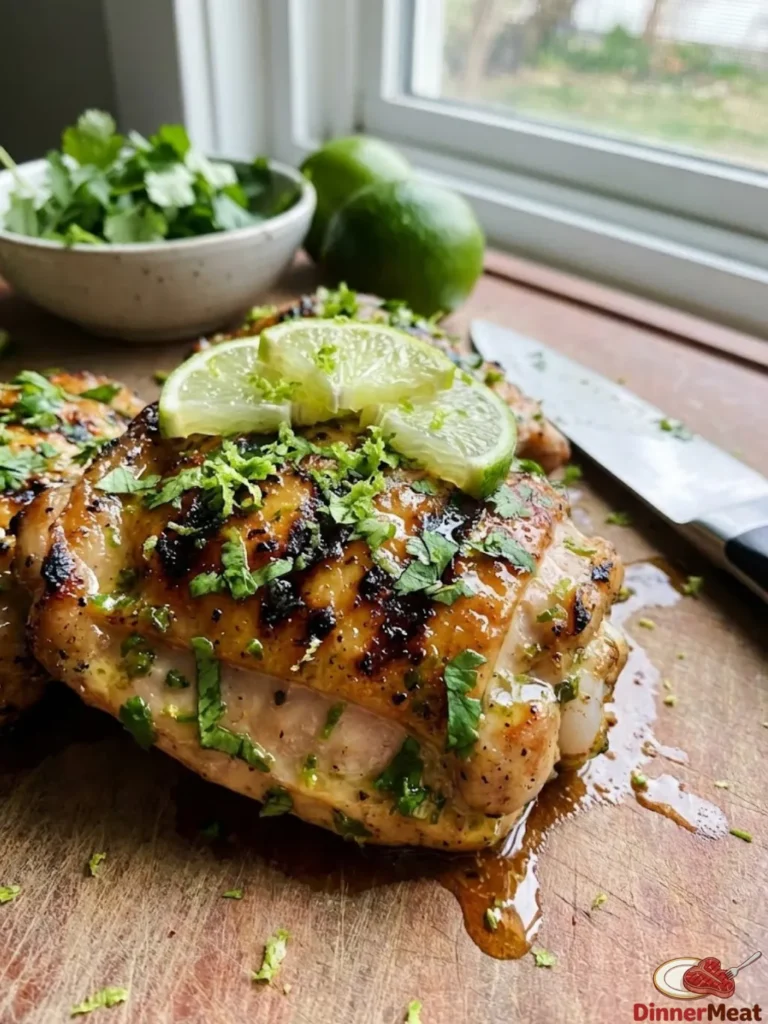
Tired of dry, flavorless chicken that tastes like cardboard? I spent years overcooking chicken breasts until they resembled hockey pucks before I discovered this three-ingredient marinade. The combination of fresh cilantro, lime juice, and garlic creates restaurant-quality cilantro lime chicken that’s so simple you’ll wonder why you ever bought bottled marinades. This recipe works perfectly whether you’re grilling for a crowd or meal-prepping for the week ahead.
Why This Meat Recipe Works
- Minimal ingredients, maximum flavor – Fresh cilantro and lime create authentic Mexican-inspired taste without a lengthy ingredient list
- Beginner-proof method – The marinade is forgiving, and visual cues help you nail perfect doneness every time
- Works with any cooking method – Grill, bake, air fry, or pan-sear with identical seasoning
- Budget-friendly – Uses affordable chicken cuts and pantry staples you probably already have
- Meal prep champion – Marinate on Sunday, cook throughout the week, or freeze for later
- Naturally healthy – High protein, low carb, gluten-free, dairy-free, and keto-friendly without modifications
Choosing the Right Meat
Best Cuts for This Recipe
Boneless, skinless chicken breasts are the classic choice for this marinade. They cook quickly and absorb the citrus flavors beautifully. Look for breasts that are similar in thickness (about 1 inch) so they cook evenly.
Chicken thighs are my secret weapon for guaranteed juiciness. The extra fat content means they’re nearly impossible to dry out, and they have richer flavor than breasts. Boneless, skinless thighs work best for even marinating and quick cooking.
Chicken tenders are perfect for families with picky eaters or when you need dinner in under 15 minutes. They marinate faster (20 minutes is enough) and cook in 8-10 minutes.
Buying Tips
Choose chicken that’s plump and firm to the touch with no gray or brown discoloration. The package should have minimal liquid – excess moisture means the chicken has been sitting too long or was previously frozen. Check the sell-by date and aim to use chicken within 1-2 days of purchase, or freeze immediately.
Avoid chicken labeled “enhanced” or “with up to 15% solution added.” These products are injected with saltwater that dilutes the marinade flavors and creates a weird spongy texture.
Substitutions
Bone-in, skin-on chicken: Remove the skin before marinating (it blocks flavor absorption), then add 10-15 minutes to cook time. The bones conduct heat slowly but add incredible flavor.
Chicken drumsticks: Cut a few slashes into the meat so the marinade penetrates. Increase cook time to 25-30 minutes.
Turkey cutlets: Work beautifully with this marinade. Cook to 165°F (74°C) and they’ll be done in 10-12 minutes.
Pork tenderloin: Surprisingly excellent substitute. Marinate no longer than 4 hours and cook to 145°F (63°C) for 18-22 minutes.
Ingredients & Prep
Meat Prep Essentials
For 1.5-2 lbs (680-900g) chicken:
Start by removing any visible fat or tendons from the chicken. Pat the meat completely dry with paper towels – this step is non-negotiable. Wet chicken won’t brown properly and will steam instead of sear.
If your chicken breasts are uneven (thick on one end, thin on the other), pound them to an even 1-inch (2.5 cm) thickness using a meat mallet. Place chicken between plastic wrap or in a zip-top bag before pounding to avoid splatter. This ensures every piece finishes cooking at the same time.
Remove chicken from the refrigerator 15-20 minutes before cooking. Room-temperature meat cooks more evenly than ice-cold chicken straight from the fridge.
Marinades/Rubs
3-Ingredient Cilantro Lime Marinade:
- 1 cup (40g) fresh cilantro, roughly chopped (stems included)
- 1/3 cup (80ml) fresh lime juice (about 3-4 limes)
- 4 cloves garlic, minced or pressed
- 1/4 cup (60ml) olive oil or avocado oil
- 1 teaspoon (6g) fine sea salt
- 1/2 teaspoon (1g) black pepper
Wait – that’s more than 3 ingredients! The “3 ingredients” refers to the flavor trio: cilantro, lime, and garlic. Salt, pepper, and oil are cooking essentials I don’t count.
Combine all ingredients in a blender or food processor and pulse 8-10 times until cilantro is finely chopped but not pureed into mush. You want visible green flecks, not baby food.
Marinating Time:
- Minimum: 30 minutes (emergency timing)
- Sweet spot: 2-4 hours (optimal flavor)
- Maximum: 8 hours (DO NOT exceed or meat gets mushy)
Common mistake: Marinating overnight sounds smart, but citrus acid starts “cooking” (denaturing) the proteins after 8 hours, creating an unpleasant mealy texture. Set a timer.
Pantry Staples
Oil: Use neutral-flavored oil with high smoke point. Avocado oil (520°F smoke point) is ideal for grilling. Olive oil works for oven or pan methods. Don’t use butter – it burns before the chicken gets color.
Fresh lime juice: Bottled juice tastes flat and bitter. Microwave whole limes for 10 seconds, then roll them firmly on the counter before juicing to extract maximum liquid.
Fresh cilantro: Don’t waste time picking individual leaves. The stems contain concentrated flavor. Just give the bunch a rough chop, discarding only the thick bottom inch.
Step-by-Step Cooking Instructions
Pre-Cooking Prep
Place chicken in a gallon-size zip-top bag or shallow glass dish. Pour marinade over chicken, turning to coat all surfaces. Squeeze out excess air from the bag (prevents oxidation) and seal. Massage the bag gently to distribute marinade, then refrigerate.
Flip the bag or turn the chicken every hour if you remember – it’s not critical but helps with even flavor distribution.
Remove chicken from refrigerator 15-20 minutes before cooking. Shake off excess marinade but don’t rinse (you’ll lose flavor). Pat surfaces lightly with paper towels if they’re dripping wet.
Cooking Method
Grilling (Recommended for Maximum Flavor):
Preheat grill to medium-high heat (400-450°F / 200-230°C). Clean grates thoroughly and oil them using tongs and a paper towel dipped in vegetable oil.
Place chicken on the grill and close the lid. Don’t touch it for 6-7 minutes. Resist the urge to peek – you’re building beautiful char marks. The chicken will release naturally when it’s ready to flip.
Flip once and cook another 6-8 minutes for breasts (8-10 minutes for thighs) until internal temperature reaches 160°F (71°C). Remove immediately.
Oven Method:
Preheat oven to 425°F (220°C). Line a sheet pan with parchment paper or lightly oil it. Arrange chicken in a single layer with space between pieces (crowding causes steaming).
Bake 15-18 minutes for breasts, 18-22 minutes for thighs. No flipping required. Chicken should be golden on top with edges slightly crispy.
Skillet Method:
Heat 1 tablespoon oil in a large cast-iron or stainless steel skillet over medium-high heat until shimmering (not smoking). Add chicken and cook undisturbed for 5-6 minutes until golden brown.
Flip, reduce heat to medium, and cook another 6-8 minutes. If chicken is browning too quickly, reduce heat to medium-low and add a lid.
Doneness Check
Internal Temperature Guide:
| Chicken Part | Pull Temp | Final Temp (after rest) | Safety Minimum |
|---|---|---|---|
| Breasts | 160°F (71°C) | 165°F (74°C) | 165°F (74°C) |
| Thighs | 165°F (74°C) | 170°F (77°C) | 165°F (74°C) |
| Tenders | 160°F (71°C) | 165°F (74°C) | 165°F (74°C) |
Insert an instant-read thermometer into the thickest part of the chicken, avoiding bone if present. Pull chicken from heat when it reaches 160°F – carryover cooking will bring it to the safe 165°F during rest.
Visual cue: Juices run clear (not pink) when you pierce the meat, and chicken feels firm but springy when pressed with tongs.
Resting
Transfer chicken to a clean plate and tent loosely with foil. Rest for 5-7 minutes before slicing. This allows juices to redistribute throughout the meat instead of spilling onto your cutting board.
Chicken continues cooking during rest time, which is why we pull it at 160°F instead of waiting for 165°F on the grill or in the pan. Skipping this step guarantees dry chicken.
Pro Tips for Perfect Meat
Avoiding Tough/Dry Meat
Don’t overcook. This is the #1 killer of chicken. Invest in a reliable instant-read thermometer ($15-30) – it’s the difference between tender and terrible.
Use a meat thermometer in multiple spots. Check the thickest part of each piece. That thin breast piece might be done while the thick one needs another 3 minutes.
Choose thighs when in doubt. The higher fat content means they stay juicy even if you slightly overcook them. Breasts have zero margin for error.
Don’t press down on chicken while cooking. I know it’s tempting, but you’re literally squeezing out the juices you worked so hard to keep inside.
Add moisture during cooking if needed. If baking and chicken looks dry at the halfway point, brush with reserved marinade (boil it first for 2 minutes to kill bacteria) or drizzle with olive oil.
Tool Recommendations
Instant-read thermometer: ThermoPop or ThermoPen are worth every penny. Get accurate readings in 2-3 seconds.
Meat mallet: OXO Good Grips has a flat and textured side for different pounding needs. A heavy skillet or rolling pin works in emergencies.
Gallon zip-top freezer bags: Stasher reusable silicone bags if you want to avoid single-use plastic. The flat shape maximizes marinade contact.
Cast-iron skillet: Lodge 12-inch holds 4-5 pieces of chicken and maintains steady heat for perfect browning.
Storage & Reheating
Refrigerator: Store cooked chicken in an airtight container for up to 4 days. Slice before storing if meal-prepping – it reheats more evenly and saves time during busy weekdays.
Freezer: Freeze cooked chicken for up to 3 months. Wrap individual pieces in plastic wrap, then place in a freezer bag. Label with date and cooking method.
Reheating without drying out:
- Microwave: Place sliced chicken in a microwave-safe dish, add 1 tablespoon water or broth, cover with damp paper towel. Heat 30-second intervals at 50% power.
- Oven: Wrap in foil with a splash of lime juice or chicken broth. Reheat at 350°F (175°C) for 10-12 minutes.
- Skillet: Add 1/4 cup broth to pan, place sliced chicken in liquid, cover and heat over medium-low for 4-5 minutes.
Never reheat to temperatures above 165°F or you’ll dry it out all over again.
Flavor Variations
Spicy Twist
Add 1-2 jalapeños (seeded for less heat) to the marinade before blending. For smokier heat, use 1 chipotle pepper in adobo sauce. Sprinkle finished chicken with Tajín seasoning or red pepper flakes.
Create a spicy crema for serving: Mix 1/2 cup sour cream, 1 tablespoon lime juice, 1 minced garlic clove, and 1-2 teaspoons sriracha. Drizzle over sliced chicken.
Keto/Paleo
This recipe is already keto and paleo-compliant as written. Pair with cauliflower rice, zucchini noodles, or a simple salad to keep it low-carb.
For extra fat (hitting keto macros), serve with sliced avocado, add extra olive oil to the marinade, or make a creamy cilantro sauce by blending 1/2 cup full-fat coconut milk with the marinade ingredients.
Global Flavors
Asian-inspired: Replace cilantro with Thai basil, lime juice with rice vinegar, and add 1 tablespoon fish sauce plus 1 teaspoon sesame oil.
Mediterranean: Swap cilantro for fresh oregano and parsley, use lemon juice instead of lime, add 1 teaspoon dried oregano.
Caribbean jerk: Add 2 teaspoons allspice, 1 teaspoon thyme, 1/2 teaspoon cinnamon, and 1 habanero pepper to the base marinade.
Serving Suggestions
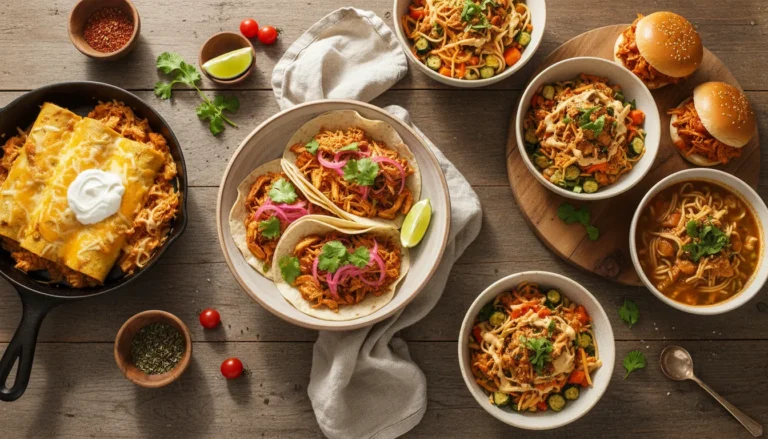
This cilantro lime chicken is incredibly versatile. Here’s how I serve it throughout the week:
Taco Tuesday: Slice chicken and serve in warm corn tortillas with diced onion, fresh cilantro, crumbled queso fresco, and lime wedges.
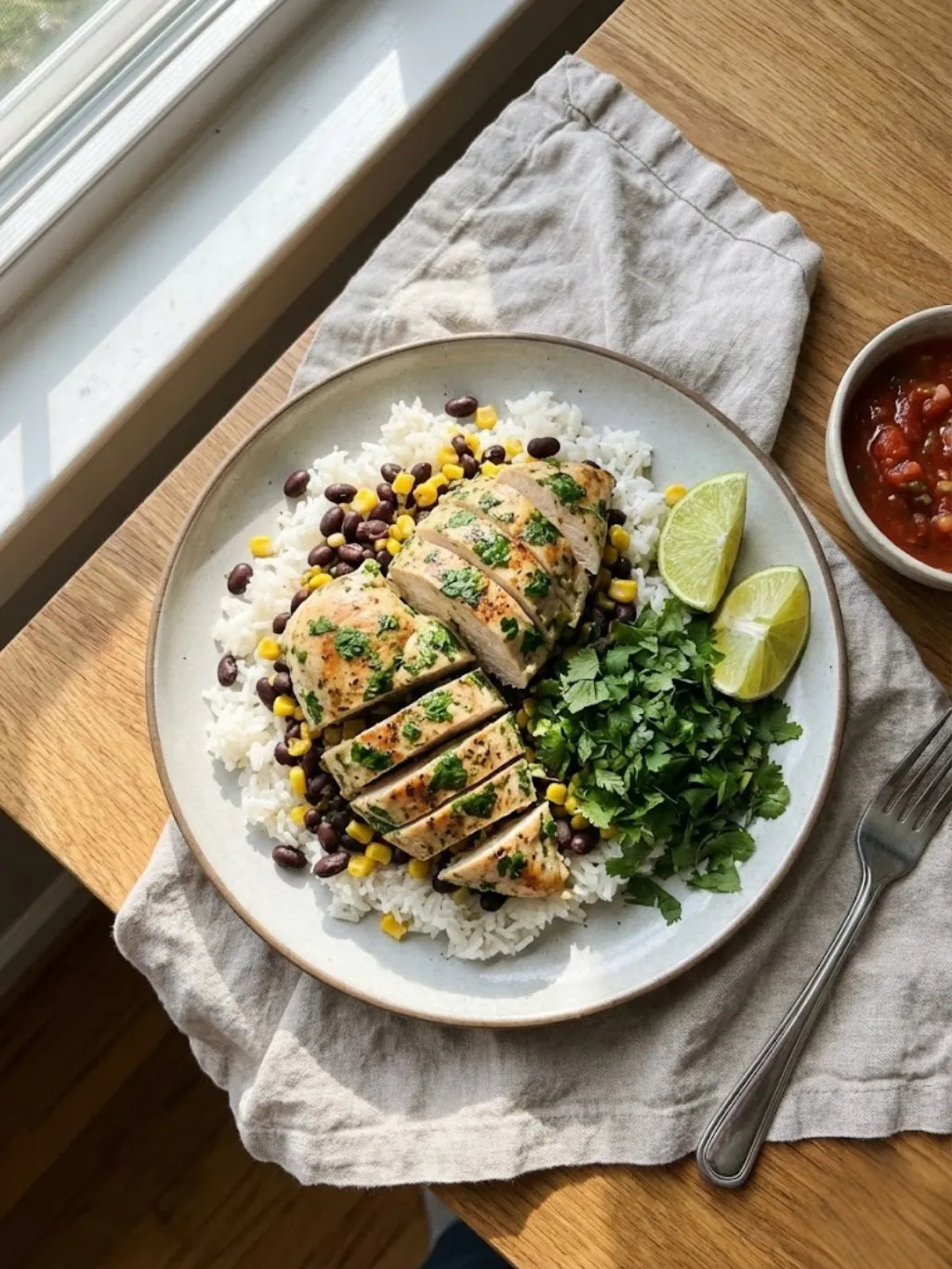
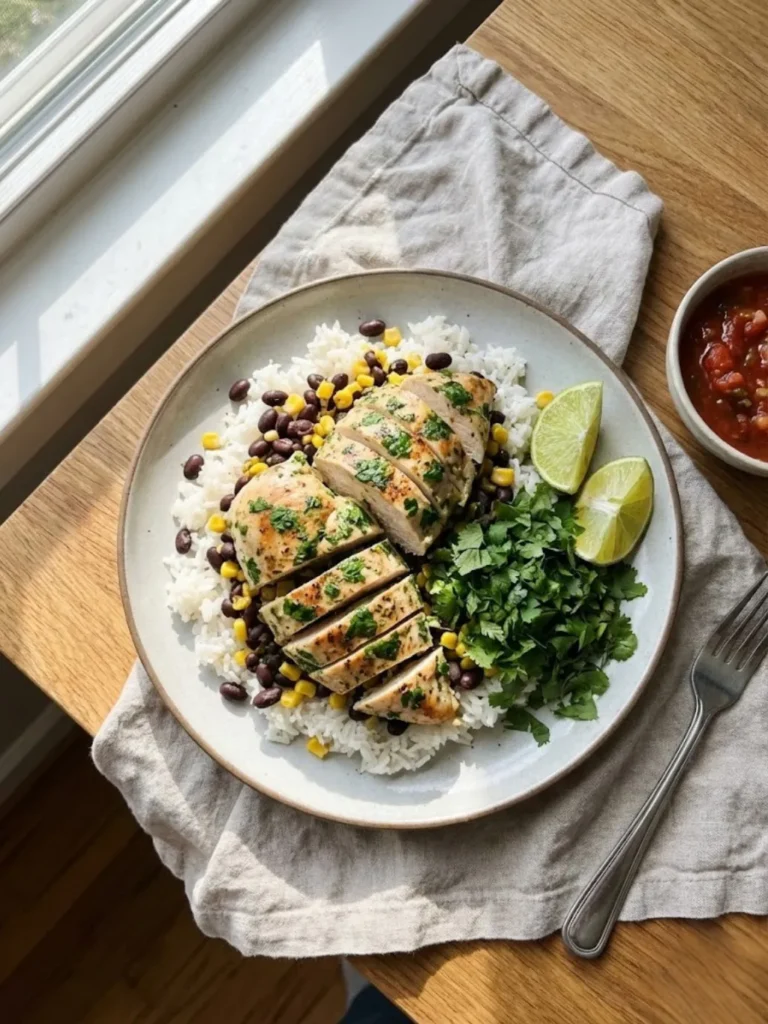
Buddha bowls: Place chicken over cilantro-lime rice (cook rice in chicken broth with lime juice and cilantro), black beans, roasted corn, avocado, and pico de gallo.
Simple salads: Slice over mixed greens with tortilla strips, pepitas, cherry tomatoes, and creamy avocado dressing.
Meal prep bowls: Pair with roasted sweet potatoes, sautéed bell peppers, and black beans for grab-and-go lunches.
Classic sides: Mexican street corn, cilantro-lime rice, refried beans, grilled vegetables, or simple guacamole and chips.
Beverage pairings: Mexican lager (Corona, Modelo), margaritas (obviously), sauvignon blanc, or fresh agua fresca (watermelon-lime is my favorite).
FAQs
Can I use frozen chicken?
Yes, but thaw it completely first. Never marinate frozen chicken – the marinade can’t penetrate ice. Thaw in the refrigerator overnight, or use the cold water method (sealed chicken submerged in cold water, changing water every 30 minutes, for 1-2 hours).
How do I fix overcooked chicken?
Slice it thinly against the grain and add it to soup, broth, or sauce. The liquid rehydrates dry meat. Make chicken salad with mayo or Greek yogurt, or shred it for tacos with plenty of salsa. Unfortunately, you can’t fully reverse overcooking, but moisture-rich applications help.
Can I make this without a grill?
Absolutely. The oven method at 425°F produces excellent results with crispy edges. For grill marks without a grill, use a grill pan on the stovetop over medium-high heat.
What if I don’t like cilantro?
Swap cilantro for fresh parsley (flat-leaf, not curly) and add 1 teaspoon ground cumin for depth. Some people have a genetic trait that makes cilantro taste like soap – parsley is the perfect substitute.
Can I marinate different cuts together?
Only if they have similar cook times. Don’t marinate tenders with full breasts or you’ll overcook the tenders. Breasts and thighs can marinate together but must be cooked separately or monitored carefully since thighs take longer.
Why is my chicken rubbery?
Undercooking causes rubbery texture. Make sure chicken reaches 165°F internal temperature. Paradoxically, severe overcooking can also create a rubbery texture, but it’s usually accompanied by dryness.
How do I prevent sticking on the grill?
Clean and oil the grates before preheating. Let the grill heat fully before adding chicken. Don’t flip until the chicken releases naturally (5-7 minutes). If it’s sticking, it’s not ready to flip.
Can I double this recipe?
Yes, easily. The marinade blends just as well in larger quantities. You may need multiple bags or a large container to hold all the chicken. Just maintain the same marinating time – don’t marinate longer just because you made more.
Conclusion
This three-ingredient cilantro lime chicken proves that incredible flavor doesn’t require complicated techniques or expensive ingredients. Whether you’re grilling for a summer cookout or meal-prepping for the week ahead, this recipe delivers juicy, restaurant-quality results every single time. The key is respecting the marinating time limits, using a thermometer, and letting the chicken rest before slicing.
Now it’s your turn to make magic happen in your kitchen. Try this recipe tonight and let me know how it turns out in the comments below. Did you grill or bake? What sides did you serve? Your feedback helps other home cooks learn and improve. Don’t forget to rate this recipe and share your photos!