Chicken enchilada sauce 3 Reasons to Make It Homemade
Quick Overview
Prep time: 15 minutes
Cook time: 35 minutes
Total time: 50 minutes
Servings: 8-10 enchiladas
Difficulty: Beginner
Best cut: Boneless, skinless chicken breasts or thighs
Key tip: Simmer the sauce for at least 15 minutes to develop deep, complex flavor
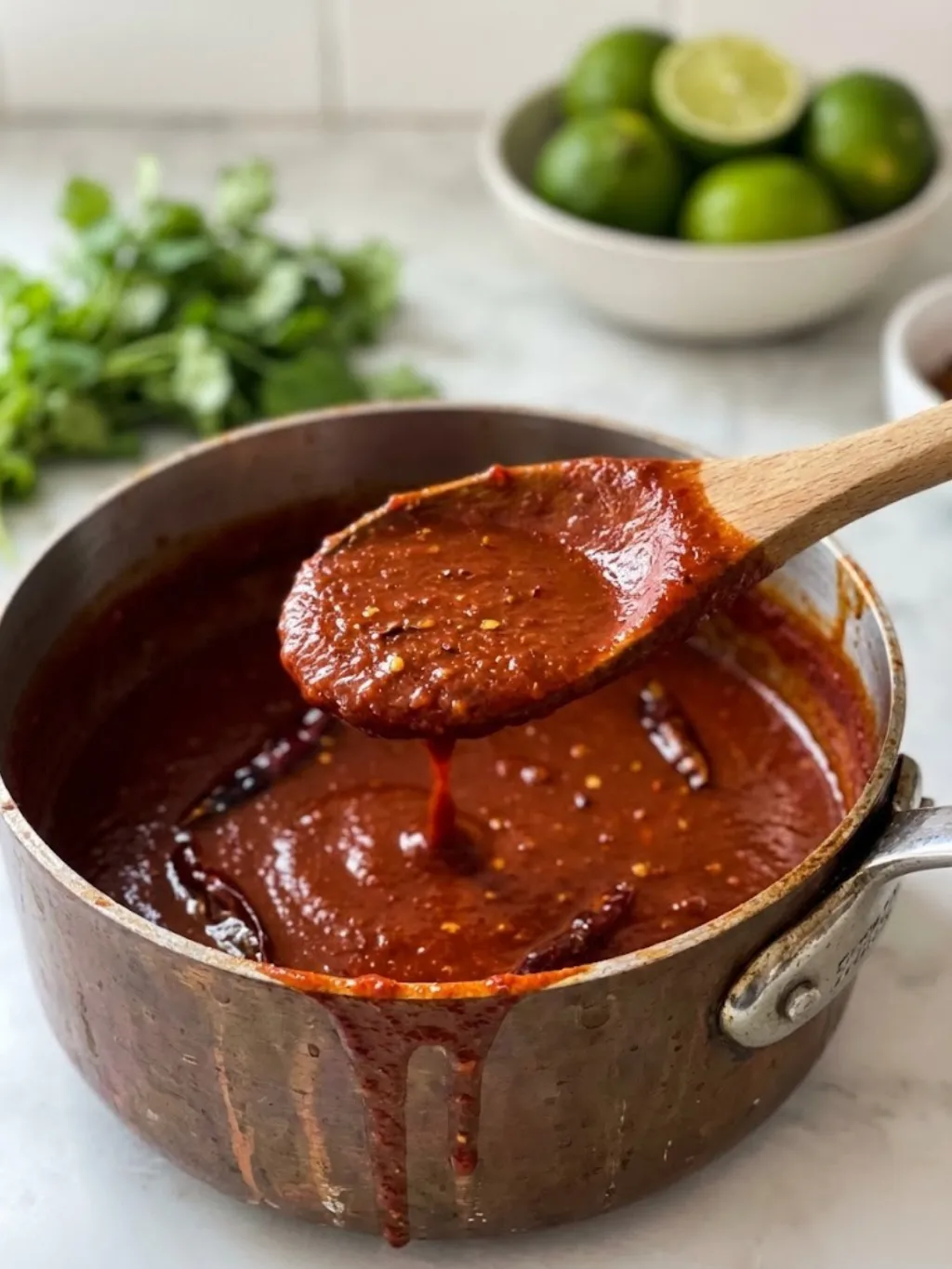
Cracking open a can of enchilada sauce only to taste metallic, overly salty disappointment is frustrating. I’ve tested dozens of store-bought brands, and none compare to homemade sauce that takes just 10 minutes of active work. This recipe for chicken enchiladas starts with a from-scratch red sauce that transforms simple ingredients into restaurant-quality comfort food. You’ll learn how to cook tender chicken, build layered flavors in the sauce, and assemble enchiladas that don’t fall apart or turn soggy.
Why This Meat Recipe Works
- Homemade sauce tastes authentic – Toasted spices and proper simmering create depth that canned versions can’t match
- One-pot chicken cooking – Poach chicken directly in broth for guaranteed moisture and built-in shredding ease
- Flexible assembly method – Roll traditional enchiladas or stack casserole-style based on your schedule and skill level
- Make-ahead friendly – Assemble completely, refrigerate up to 24 hours, then bake when ready
- Budget champion – Feeds 4-6 people for under $15 using pantry staples and affordable chicken
- Customizable heat level – Control spice intensity by adjusting chili powder and adding cayenne to taste
Choosing the Right Meat
Best Cuts for This Recipe
Boneless, skinless chicken breasts are the traditional choice for enchiladas. They shred beautifully into tender strands and have mild flavor that absorbs the sauce. When poached properly (not boiled aggressively), breasts stay moist and pull apart easily with two forks.
Chicken thighs are my secret weapon for maximum flavor and forgiveness. The extra fat means they’re nearly impossible to dry out during cooking. Thighs have richer, deeper flavor that stands up to bold enchilada sauce. They cost less per pound than breasts and shred into succulent, satisfying pieces.
Rotisserie chicken is the ultimate shortcut. Skip the cooking entirely and shred 3-4 cups of meat from a store-bought bird. The skin and bones have already flavored the meat, giving you a head start on taste. This cuts prep time by 30 minutes.
Buying Tips
Choose chicken pieces that are similar in size so they cook at the same rate. For breasts, look for ones about 6-8 ounces each with uniform thickness. The meat should be pink with no gray or brown spots, and packages should have minimal liquid pooling.
Avoid “enhanced” or “plumped” chicken injected with saltwater solutions. These products contain up to 15% added weight from water and sodium, which dilutes your carefully seasoned sauce and creates mushy texture.
Fresh chicken should smell clean, never sour or ammonia-like. Check the sell-by date and plan to cook within 1-2 days, or freeze immediately in the original packaging for up to 6 months.
Substitutions
Turkey breast: Works identically to chicken breasts. Use the same poaching method and cook to 165°F (74°C). Turkey has slightly milder flavor, so consider adding an extra 1/2 teaspoon cumin to the sauce.
Pork shoulder: Incredible for red enchiladas. Cut into 2-inch chunks and simmer 45-60 minutes until fork-tender. The connective tissue breaks down into rich, pull-apart meat. Shred and proceed with assembly.
Black beans (vegetarian): Use 3 cups cooked black beans mixed with sautéed onions and peppers. Add 1 cup corn for texture. Reduce cooking time by 5 minutes since there’s no meat to heat through.
Beef chuck roast: Cut into chunks, season generously, and simmer 60-75 minutes until tender. The robust flavor pairs beautifully with red enchilada sauce but overpowers green sauce.
Ingredients & Prep
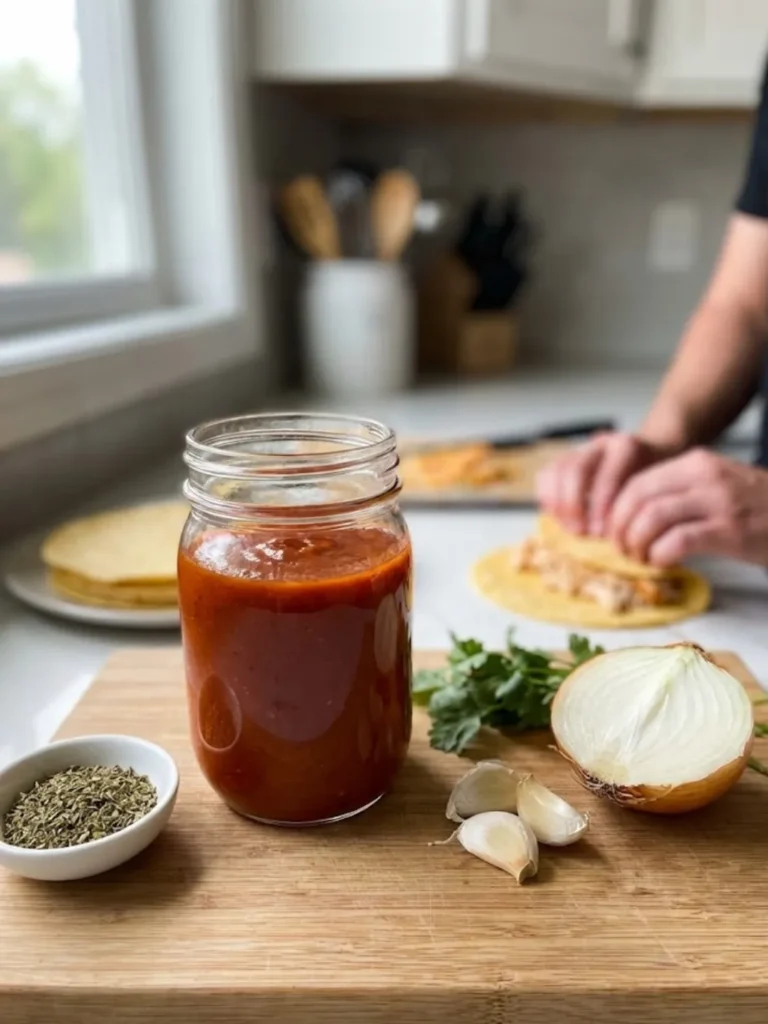
Meat Prep Essentials
For 1.5 lbs (680g) chicken:
If using chicken breasts, check for the small white tendon running along the underside. Remove it by holding one end and scraping against it with a knife. Pat chicken completely dry with paper towels before cooking.
For even cooking, pound thicker breasts to uniform 1-inch thickness, or cut very large breasts in half horizontally to create thinner cutlets. Thighs need no special prep beyond removing excess fat pockets.
Don’t skip trimming visible fat from chicken. While some fat adds flavor, large chunks create greasy sauce and unpleasant texture in the final dish.
Marinades/Rubs
This recipe doesn’t require marinating since chicken cooks in seasoned broth. However, you can rub chicken with a simple spice blend before poaching for extra flavor:
- 1 teaspoon (3g) chili powder
- 1/2 teaspoon (1.5g) ground cumin
- 1/2 teaspoon (3g) salt
- 1/4 teaspoon (0.5g) black pepper
Rub this mixture on chicken and let sit 15-30 minutes before poaching. Don’t leave it longer than 2 hours or the salt will draw out too much moisture.
Common mistake: Adding acid (lime juice, vinegar) to chicken before cooking makes it tough and stringy. Save citrus for finishing after the chicken is shredded.
Pantry Staples
Homemade Red Enchilada Sauce:
- 3 tablespoons (45ml) vegetable or canola oil
- 3 tablespoons (24g) all-purpose flour (or use gluten-free 1:1 flour)
- 1/4 cup (28g) chili powder (use quality brands like Gebhardt or McCormick)
- 1 teaspoon (3g) ground cumin
- 1 teaspoon (3g) garlic powder
- 1/2 teaspoon (1.5g) onion powder
- 1/4 teaspoon (0.5g) dried oregano
- 2 cups (480ml) chicken broth or stock
- 1 tablespoon (15ml) tomato paste
- 1/2 teaspoon (3g) salt
- 1/4 teaspoon (0.5g) black pepper
For Assembly:
- 8-10 flour or corn tortillas (6-inch for corn, 8-inch for flour)
- 2 cups (226g) shredded cheese (Mexican blend, cheddar, or Monterey Jack)
- 1/2 cup (120ml) sour cream (optional, for serving)
- Fresh cilantro for garnish
Oil: Use neutral oil with high smoke point for the roux. Vegetable, canola, or grapeseed work perfectly. Don’t use olive oil – it has strong flavor and lower smoke point.
Chili powder quality matters: Generic brands often taste dusty and bitter. Spend $2-3 extra for fresh, vibrant chili powder. Check the expiration date – spices lose potency after 6 months.
Step-by-Step Cooking Instructions
Pre-Cooking Prep
Place chicken breasts or thighs in a medium saucepan with 4 cups chicken broth, 1 bay leaf, 1/2 teaspoon salt, and 3-4 black peppercorns. Bring to a gentle simmer over medium heat (not a rolling boil).
Reduce heat to low and cook at a bare simmer with small bubbles occasionally breaking the surface. Cover partially and cook 15-18 minutes for breasts, 18-22 minutes for thighs, until chicken reaches 165°F (74°C) internally.
Remove chicken from broth and set aside to cool for 10 minutes. Reserve 2 cups of the poaching liquid for the enchilada sauce – it’s packed with flavor.
Cooking Method
Making the Sauce:
Heat 3 tablespoons oil in a medium saucepan over medium heat until shimmering. Add flour and whisk constantly for 90 seconds to cook out the raw flour taste. The mixture (roux) should be golden and smell nutty, not pasty.
Add chili powder, cumin, garlic powder, onion powder, and oregano. Whisk constantly for 30-45 seconds until fragrant. This “blooming” step releases the essential oils in dried spices and eliminates any raw, dusty flavor.
Gradually pour in 2 cups chicken broth (use reserved poaching liquid if you cooked chicken) while whisking continuously. Add tomato paste, salt, and pepper. Bring to a simmer.
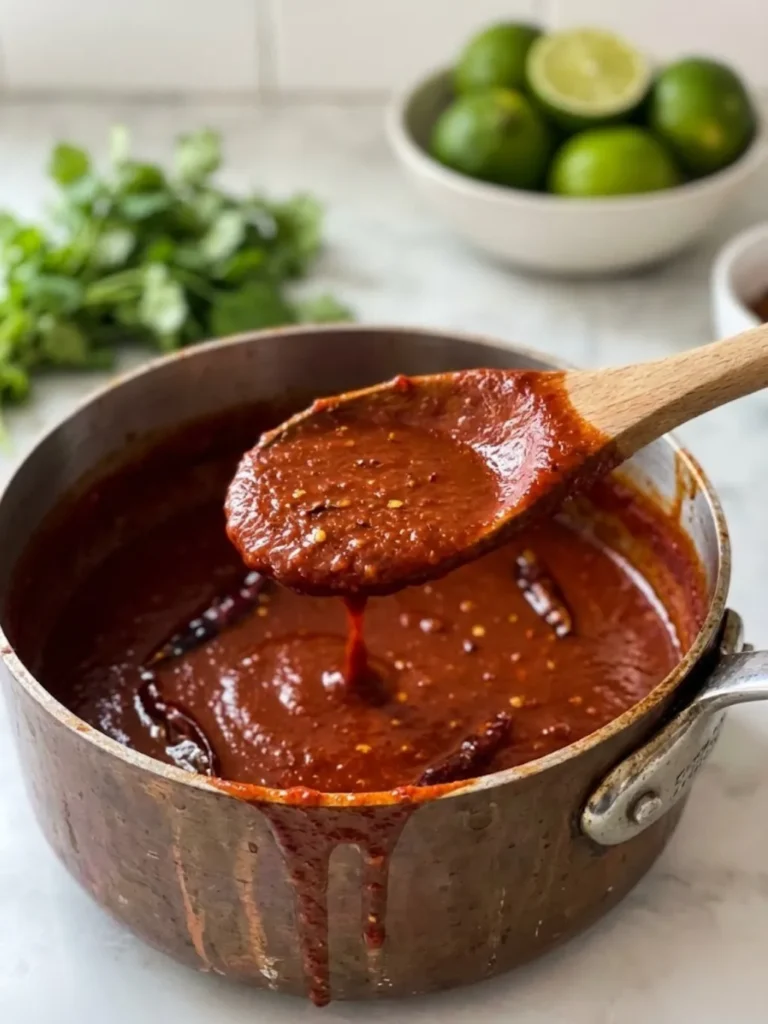
Reduce heat to low and simmer uncovered for 15-20 minutes, stirring occasionally, until sauce thickens to coat the back of a spoon. Taste and adjust seasoning. Sauce should be rich, slightly thick, and deeply flavored.
Shredding Chicken:
Once chicken is cool enough to handle, use two forks to shred into bite-size pieces. Discard any remaining cartilage or fat. Toss shredded chicken with 1/2 cup of the enchilada sauce to keep it moist.
Assembly:
Preheat oven to 375°F (190°C). Spread 1/2 cup enchilada sauce across the bottom of a 9×13-inch baking dish to prevent sticking.
Warm tortillas in the microwave wrapped in damp paper towels for 30 seconds, or heat individually in a dry skillet for 10 seconds per side. This makes them pliable and prevents cracking.
Working one at a time, place about 1/3 cup shredded chicken down the center of each tortilla. Sprinkle with 2 tablespoons cheese. Roll tightly and place seam-side down in the baking dish.
Repeat until all tortillas are filled and arranged snugly in the pan. Pour remaining enchilada sauce over the top, making sure to cover all exposed tortilla edges (prevents them from drying out).
Sprinkle remaining cheese evenly over the surface. Cover dish tightly with foil.
Doneness Check
Internal Temperature Guide:
| Component | Target Temp | Why It Matters |
|---|---|---|
| Poached Chicken | 165°F (74°C) | USDA safe minimum |
| Baked Enchiladas | 165°F+ (74°C+) | Ensures filling is hot throughout |
| Sauce Simmer | 180-190°F (82-88°C) | Proper thickening without scorching |
Bake covered enchiladas for 20 minutes. Remove foil and bake an additional 8-10 minutes until cheese is melted and bubbly with golden spots forming on top.
Visual cue: Sauce should be bubbling around the edges, cheese fully melted with some browning, and you can smell the toasted spices and cheese.
Resting
Let enchiladas rest 5 minutes after removing from the oven. This allows the sauce to thicken slightly and prevents the filling from spilling out when you serve the first portion.
Resting also prevents burned tongues – the cheese and sauce are molten immediately out of the oven. Those extra 5 minutes make the difference between edible and enjoyable.
Pro Tips for Perfect Meat
Avoiding Tough/Dry Meat
Never boil chicken aggressively. Gentle simmering at 180-190°F keeps proteins tender. Rapid boiling at 212°F makes chicken tough and stringy. You should see small bubbles occasionally, not a rolling boil.
Use a thermometer for poached chicken. Pull it at exactly 165°F and it will be perfectly moist. Even 5 degrees higher starts drying it out.
Toss shredded chicken with sauce immediately. Naked shredded chicken dries out within minutes. Coating it with sauce creates a protective barrier and adds flavor.
Don’t skip the foil cover during initial baking. Uncovered enchiladas dry out and develop hard tortilla edges. The foil traps steam for the first 20 minutes, then remove it to brown the cheese.
Add moisture if reheating. Drizzle extra sauce or a few tablespoons of broth over enchiladas before reheating to prevent dryness.
Tool Recommendations
Instant-read thermometer: Essential for perfectly poached chicken. ThermoPop ($35) or ThermoPen ($100) give accurate readings in seconds.
Large whisk: A good whisk prevents lumps in your roux and sauce. Silicone-coated whisks won’t scratch nonstick pans.
9×13-inch baking dish: Glass or ceramic works best for even heat distribution. Metal pans can react with acidic tomato in the sauce.
Silicone spatula: Perfect for serving enchiladas without tearing. Metal spatulas cut through tortillas.
Storage & Reheating
Refrigerator: Cover baked enchiladas tightly with foil or transfer to an airtight container. Store up to 4 days. The flavors actually improve after a day as everything melds together.
Freezer: Freeze assembled unbaked enchiladas for up to 3 months, or freeze leftovers for 2 months. Wrap entire pan in plastic wrap, then foil. Label with date and baking instructions.
Reheating individual portions: Microwave on 50% power for 2-3 minutes, adding a splash of water or extra sauce. Cover with a damp paper towel to create steam.
Reheating full pan: If refrigerated, bake covered at 350°F (175°C) for 20-25 minutes. If frozen, thaw overnight in refrigerator, then reheat as directed. Add 10 minutes if baking from cold.
Sauce storage: Refrigerate homemade enchilada sauce separately for up to 1 week, or freeze for 3 months. It’s perfect for quick weeknight nachos, chilaquiles, or huevos rancheros.
Flavor Variations
Spicy Twist
Add 1-2 diced jalapeños or 1 chipotle pepper in adobo sauce to the enchilada sauce while it simmers. For serious heat, stir in 1/2 teaspoon cayenne pepper.
Mix diced pickled jalapeños into the shredded chicken for pockets of tangy heat throughout. Top finished enchiladas with sliced fresh jalapeños and a drizzle of hot sauce.
Create spicy verde enchiladas by swapping red sauce for tomatillo-based green sauce. Blend 1 lb roasted tomatillos, 2 jalapeños, 1/2 cup cilantro, 2 garlic cloves, and 1 cup broth until smooth, then simmer 10 minutes.
Keto/Paleo
Keto: Skip the flour tortillas and use low-carb tortillas (3-4g net carbs each), or create “naked” enchiladas by layering chicken and sauce in a baking dish without tortillas. Use full-fat cheese and sour cream.
For sauce, replace flour with 2 tablespoons almond flour or simply omit the roux – the sauce will be thinner but still delicious. Add 1 tablespoon cream cheese to thicken without flour.
Paleo: Use grain-free tortillas made from cassava or almond flour, or skip tortillas entirely. Replace cheese with dairy-free alternatives or nutritional yeast for cheesy flavor. Use arrowroot powder instead of flour for the roux.
Global Flavors
Tex-Mex: Add 1 cup corn and 1 can black beans (drained) to the chicken filling. Top with pickled jalapeños and serve with queso.
New Mexican: Use pure ground dried New Mexico or Hatch chiles instead of chili powder blend. Add 1/2 teaspoon Mexican oregano. Top with fried eggs.
Mole-inspired: Stir 1 tablespoon cocoa powder and 1/2 teaspoon cinnamon into the sauce. Add 1 tablespoon peanut butter for richness and complexity.
Serving Suggestions
Chicken enchiladas are a complete meal, but these sides take dinner from good to memorable:
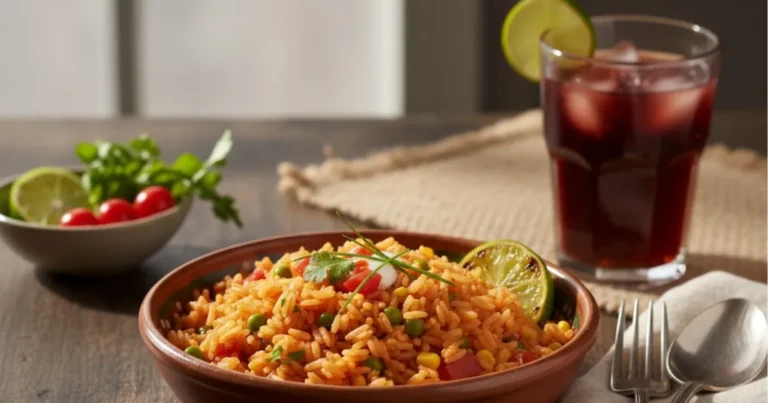
Mexican rice: Classic pairing with tomato, onion, and garlic. The fluffy rice soaks up extra sauce beautifully.
Refried beans: Creamy pintos or black beans provide protein and richness. Top with crumbled queso fresco.
Simple salad: Romaine lettuce, sliced radishes, cotija cheese, and lime-cilantro dressing cuts through the richness.
Elote (Mexican street corn): Grilled corn slathered with mayo, cotija, chili powder, and lime is the perfect sweet-savory contrast.
Guacamole and chips: Because what’s better than creamy avocado with enchiladas? Nothing.
Pickled onions: Quick-pickled red onions add bright acidity that balances cheese and sauce.
Cilantro-lime slaw: Crunchy, fresh, tangy – everything the warm, saucy enchiladas aren’t.
Beverage pairings: Mexican lager (Modelo, Pacifico), margaritas (frozen or on the rocks), Pinot Noir, Spanish Albariño, or horchata for non-alcoholic sweetness.
FAQs
Can I use frozen chicken?
Yes, but thaw completely first. Never cook frozen chicken in this recipe – it won’t poach evenly and will be tough. Thaw in the refrigerator overnight, or use the cold water method (sealed chicken in cold water, changing water every 30 minutes) for 1-2 hours.
How do I fix overcooked meat?
Shred it extra fine and toss with plenty of sauce – the moisture helps. Mix in a few tablespoons of sour cream or cream cheese to add fat and moisture back. Once it’s overcooked, you can’t fully reverse it, but these tricks help mask dryness.
Corn or flour tortillas?
Corn tortillas are traditional and gluten-free but can crack if not warmed properly. Flour tortillas are easier to roll and less prone to tearing. Both work beautifully – choose based on preference and dietary needs.
Can I make enchiladas ahead?
Absolutely. Assemble completely, cover tightly, and refrigerate up to 24 hours before baking. Add 5-10 minutes to the covered baking time since the dish starts cold. This is perfect for entertaining or meal prep.
Why is my sauce lumpy?
Lumps happen when you add liquid too quickly to the roux, or don’t whisk constantly. Prevention: add broth gradually while whisking vigorously. Fix: blend sauce with an immersion blender or pour through a fine-mesh strainer.
Can I use store-bought sauce?
Of course. Use 2-3 cups of your favorite canned enchilada sauce and skip the homemade sauce steps. Doctor it up by simmering with extra cumin, garlic powder, and a splash of chicken broth for better flavor.
How do I prevent soggy enchiladas?
Don’t oversaturate with sauce – you want enough to flavor and moisten, not drown. Shred chicken into smaller pieces so filling isn’t too wet. Bake uncovered for the last 10 minutes to evaporate excess moisture and crisp the top.
What’s the best cheese for enchiladas?
Mexican cheese blend (Monterey Jack, cheddar, asadero, queso quesadilla) melts beautifully and has authentic flavor. Sharp cheddar adds tang, mozzarella provides stretch, Monterey Jack is mild and creamy. Use what you love – or mix several.
Conclusion
Homemade chicken enchiladas with from-scratch sauce prove that authentic Mexican comfort food doesn’t require specialty ingredients or advanced skills. The sauce takes 10 active minutes, the chicken practically cooks itself, and assembly is faster than ordering takeout. Once you taste the difference between canned and homemade sauce, you’ll never go back.
Try this recipe this week and discover how easy real enchiladas can be. Share your results in the comments – did you use chicken breasts or thighs? How spicy did you make the sauce? Rate this recipe and let other home cooks know what worked for you!