Beef chuck steak recipes: How to Grill Tender Meat
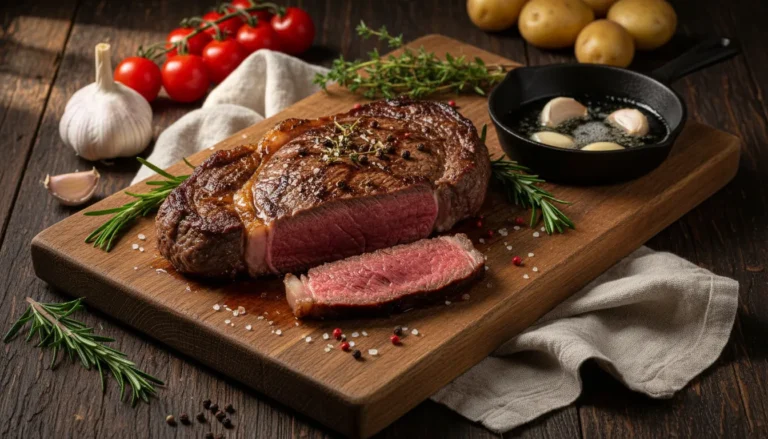
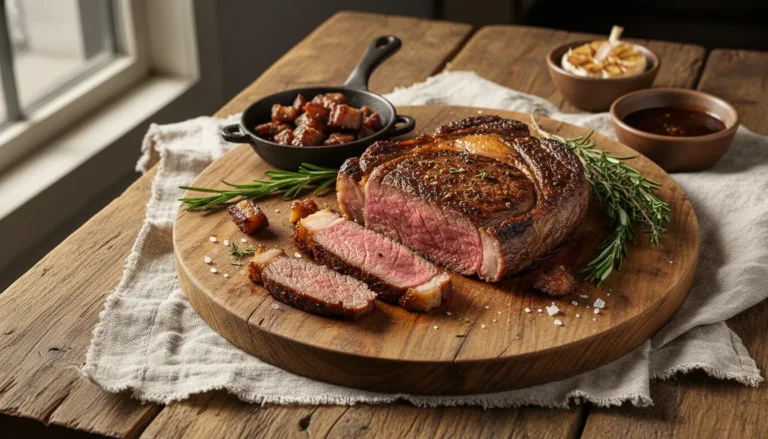
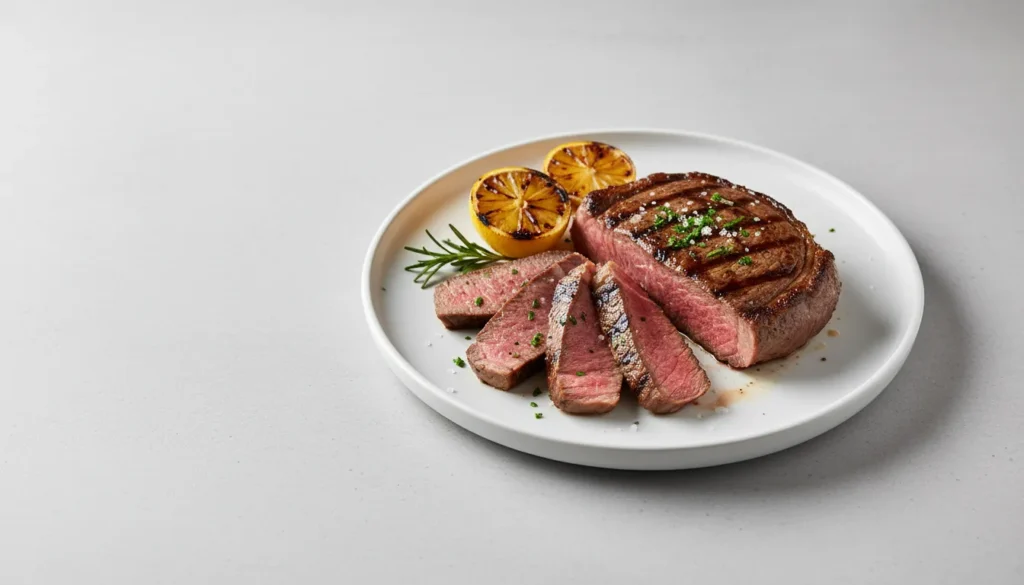
Transform affordable beef chuck steak into melt-in-your-mouth perfection with this tested grilling method. Learn the marinating, searing, and resting techniques that deliver restaurant-quality tenderness every single time, even from this budget-friendly cut.
Ever grilled a chuck steak only to end up with a chewy, disappointing dinner? You’re not alone. Chuck steak often gets dismissed as “tough” or “only good for stewing,” but that couldn’t be further from the truth. The real issue isn’t the cut—it’s the technique.
The solution is surprisingly simple: the right marinade, proper heat management, and strategic resting transform this economical cut into a juicy, flavorful steak that rivals premium cuts. If you’re still learning about different beef cuts and when to use each one, check out our ultimate guide to beef cuts and cooking to master steak selection.
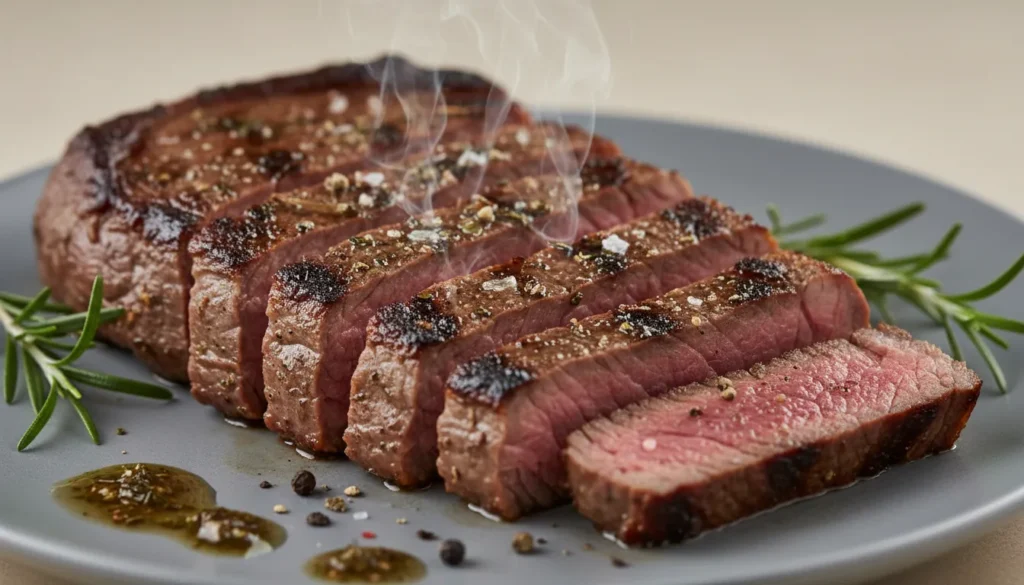
Why does this beef chuck steak recipe work so well? It leverages the natural marbling in chuck while breaking down tough connective tissue through enzymatic marinades and controlled searing. The result? Tender, caramelized perfection at a fraction of the cost.
Here’s everything you need to know to master grilled beef chuck steak that will have your family asking for seconds.
Why This Grilled Chuck Steak Recipe is a Keeper
- Budget-Friendly: Chuck steak costs 40-50% less than ribeye while delivering incredible flavor
- Deeply Flavorful: Rich marbling creates beefy, satisfying taste
- Simple Technique: Just marinate, grill, and rest—no fancy equipment needed
- Weeknight-Ready: Active cooking time under 20 minutes
- Versatile: Perfect for tacos, salads, sandwiches, or standalone dinners
- Tested Method: Temperature-controlled approach guarantees consistent results
Choosing the Best Cut of Beef for Grilled Chuck Steak
The Ideal Cut: Beef chuck steak (also called shoulder steak or chuck blade steak) comes from the shoulder region of the cow. This hardworking muscle contains generous marbling and rich connective tissue, which translates to incredible flavor. According to the USDA’s beef grading standards, well-marbled chuck develops exceptional taste when cooked properly.
Look for steaks cut ¾ to 1 inch thick with visible fat marbling throughout. The blade bone running through some chuck steaks is completely fine—just cut around it after cooking.
Substitutions: If chuck isn’t available, try:
- Flat iron steak (from the same shoulder region, already tender)
- Top blade steak
- Denver steak
- Sirloin flap meat
Buying Tips: Choose steaks with bright red color, white (not yellow) fat, and firm texture. Avoid packages with excessive liquid or brown spots. If possible, ask your butcher to cut fresh steaks from a whole chuck roast for maximum freshness.
Ingredients List
| Quantity | Ingredient |
|---|---|
| 2 lbs | Beef chuck steak (2-3 steaks, ¾-1 inch thick) |
| ¼ cup | Soy sauce |
| 3 tbsp | Olive oil |
| 2 tbsp | Worcestershire sauce |
| 2 tbsp | Fresh lemon juice |
| 4 cloves | Garlic, minced |
| 1 tbsp | Dijon mustard |
| 1 tsp | Black pepper, freshly ground |
| 1 tsp | Smoked paprika |
| ½ tsp | Kosher salt |
| 2 sprigs | Fresh rosemary (optional) |
Ingredients Notes
The Beef: Pat chuck steaks completely dry with paper towels before marinating. Surface moisture prevents proper browning and the Maillard reaction—that gorgeous crust we’re after.
Soy Sauce & Worcestershire: These umami-rich liquids contain natural enzymes that gently tenderize meat while adding savory depth. The salt in soy sauce also helps proteins retain moisture during cooking.
Acid Component: Lemon juice brightens the marinade and begins breaking down tough muscle fibers. Don’t marinate longer than 8 hours, or the acid can make the texture mushy.
Dijon Mustard: Acts as an emulsifier, helping oil and acid blend smoothly while adding subtle tang.
Step-by-Step Instructions
Recipe Card
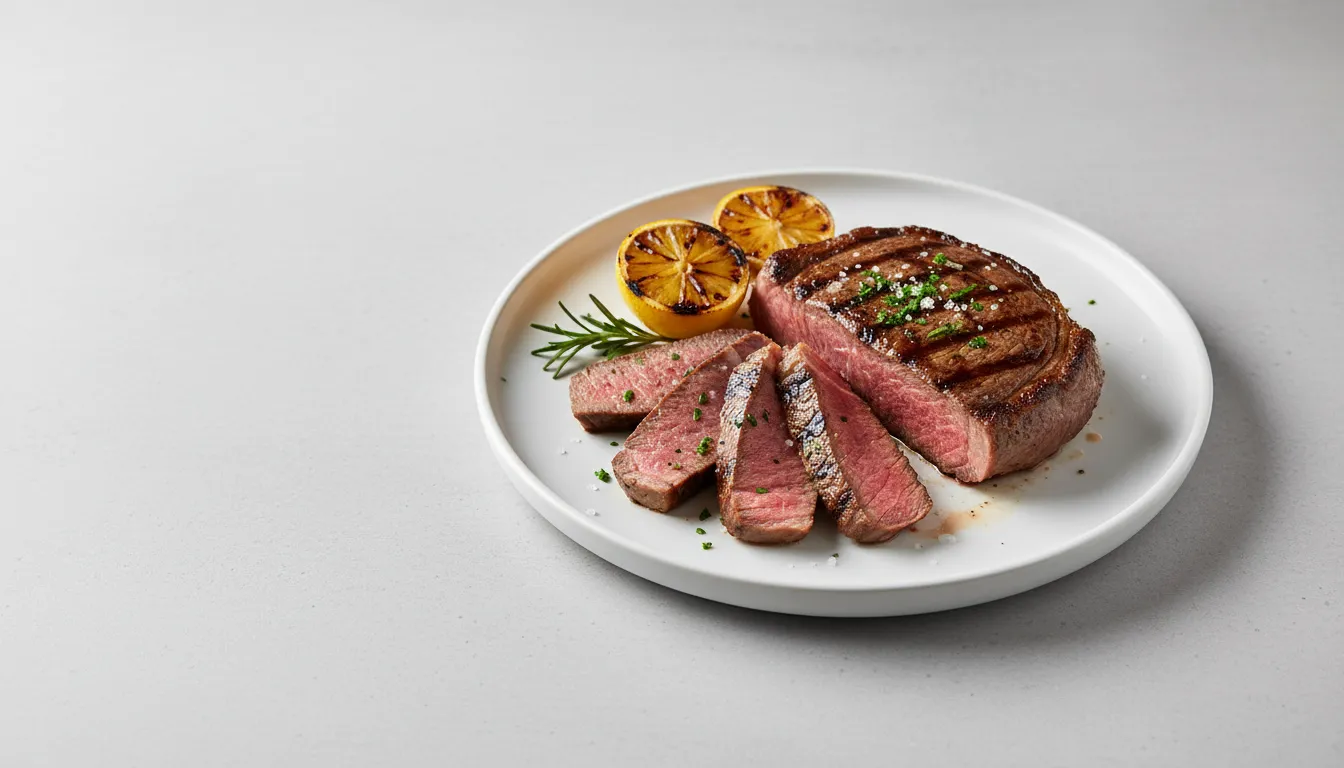
🛠 Equipment Needed
- Gas or charcoal grill
- instant-read thermometer
- tongs
- shallow dish or resealable bag
- cutting board
Prep & Season
- Prepare the Marinade: In a shallow dish or resealable bag, whisk together soy sauce, olive oil, Worcestershire sauce, lemon juice, minced garlic, Dijon mustard, black pepper, and smoked paprika until well combined.
- Marinate the Meat: Pat chuck steaks dry, then submerge in marinade. Add rosemary sprigs if using. Seal or cover and refrigerate for 4-8 hours, flipping halfway through.
- Bring to Room Temperature: Remove steaks from refrigerator 30-45 minutes before grilling. Cold meat seizes up on the grill, cooking unevenly.
The Cooking Process
- Preheat Your Grill: Heat to high (450-500°F). Clean grates thoroughly and oil them lightly to prevent sticking.
- Remove Excess Marinade: Lift steaks from marinade, letting excess drip off. Pat surface lightly with paper towels—too much moisture creates steam instead of sear. Sprinkle both sides with kosher salt.
- Sear the First Side: Place steaks on the hottest part of the grill. You should hear an immediate, aggressive sizzle. Don’t touch them for 4-5 minutes. Resist the urge to peek—this creates the golden-brown crust that locks in juices.
- Flip and Finish: Using tongs (never a fork, which pierces and releases juices), flip steaks. Grill another 3-5 minutes for medium-rare, adjusting based on thickness.
Doneness Guide
Use an instant-read thermometer inserted into the thickest part:
| Doneness | Internal Temperature | Description |
|---|---|---|
| Rare | 120-125°F | Cool red center |
| Medium-Rare | 130-135°F | Warm red center (recommended) |
| Medium | 135-145°F | Warm pink center |
| Medium-Well | 145-155°F | Slightly pink center |
| Well-Done | 160°F+ | No pink (not recommended for chuck) |
Note: Chuck steak shines at medium-rare to medium. Overcooking makes it tough.
Resting
Transfer steaks to a cutting board and tent loosely with foil. Rest for 10 minutes minimum. This isn’t optional. During cooking, juices rush to the surface. Resting allows them to redistribute throughout the meat, ensuring every bite is juicy rather than pooling onto your plate when you cut.
Expert Tips for Tender Beef Every Time
Tip 1: Room Temperature is Non-Negotiable – Cold steak from the fridge hits the grill unevenly, cooking the outside before the inside catches up. Always allow 30-45 minutes at room temperature.
Tip 2: Cut Against the Grain – Chuck has visible muscle fibers. After resting, slice perpendicular to these lines. This shortens the fibers, making each bite dramatically more tender.
Tip 3: Don’t Overcrowd the Grill – Leave 2 inches between steaks. Crowding lowers temperature and traps steam, preventing proper searing and crust development.
Tip 4: Invest in a Thermometer – Guessing doneness by touch or time is unreliable. A $15 instant-read thermometer guarantees perfect results every time.
Tip 5: Save the Marinade – Reserve ¼ cup before adding raw meat. Boil this reserved portion for 3 minutes and use as a finishing sauce.
Serving Suggestions & Pairings
Side Dishes:
- Garlic roasted potatoes or sweet potato fries
- Grilled vegetables (asparagus, zucchini, bell peppers)
- Fresh arugula salad with balsamic vinaigrette
- Creamy coleslaw for textural contrast
- Buttery corn on the cob
Sauces:
- Chimichurri (bright, herbaceous)
- Blue cheese butter (melted on top)
- Red wine reduction
- Horseradish cream
- Simple garlic aioli
Wine Pairing: Bold reds like Cabernet Sauvignon, Malbec, or Syrah complement the rich, beefy flavor.
Storage, Freezing & Reheating
Refrigerator: Store leftover steak in an airtight container for up to 4 days. Slice before storing to make reheating easier.
Freezer: Wrap tightly in plastic wrap, then foil. Freeze up to 3 months. Thaw overnight in refrigerator.
Reheating: The best method is gentle warming in a 250°F oven for 15-20 minutes until just heated through. Avoid microwaving, which overcooks edges. For sliced steak, quickly sear in a hot skillet for 30 seconds per side.
Frequently Asked Questions
Q: Can I cook beef chuck steak recipes in a pan instead of grilling? A: Absolutely! Heat a cast-iron skillet over high heat until smoking. Sear 4 minutes per side, then finish in a 400°F oven for 5-7 minutes. The method works identically.
Q: How long should I marinate chuck steak? A: Minimum 4 hours, maximum 8 hours. Less won’t tenderize effectively; more can make texture mushy due to acid breakdown.
Q: Is chuck steak healthy? A: A 4-ounce serving provides approximately 280 calories, 35g protein, and important nutrients like iron, zinc, and B vitamins. It’s higher in fat than leaner cuts, so portion control matters.
Q: Why is my chuck steak still tough after grilling? A: Three common causes: cooking past medium (tightens proteins), not marinating long enough, or cutting with the grain instead of against it. Temperature and slicing technique are critical.
Q: Can I use this marinade for other cuts? A: Yes! This marinade works beautifully with flank steak, skirt steak, sirloin, or even chicken thighs.
Conclusion
Mastering beef chuck steak recipes means never overpaying for premium cuts again. This affordable, flavorful steak delivers incredible results when you understand the science of marinating, searing, and resting. With proper technique, chuck transforms from “budget cut” to “weeknight hero.”
Ready to explore more ways to cook different beef cuts perfectly? Visit our comprehensive steak cooking guide to become a true beef expert in your own kitchen.
Now it’s your turn! Fire up that grill, try this recipe, and rate it below. Don’t forget to pin this to your dinner board on Pinterest so you can find it again!