Beef Chuck Steak Recipes: How to Tenderize Cheap Cuts
Pound chuck steak with meat mallet to 1/2-inch thickness, then marinate 4-8 hours in acidic mixture (vinegar, citrus, or wine). The mechanical tenderizing breaks down tough fibers while marinade’s acid further softens connective tissue. Quick-sear 3-4 minutes per side for budget-friendly steak that rivals expensive cuts.
You see chuck steak at the butcher counter for $6 per pound—a fraction of ribeye’s $18 price tag—but hesitate, remembering the last time you tried cooking it. That disappointing dinner: chewy, tough meat you could barely cut, let alone enjoy. The frustration of wanting affordable steak without sacrificing tenderness keeps you reaching for chicken instead, missing out on beef’s satisfaction.
The solution is learning beef chuck steak recipes that respect this hardworking muscle’s nature. Chuck comes from the shoulder—a heavily exercised area with abundant connective tissue and muscle fibers. But when you combine mechanical tenderizing (pounding with a mallet) and chemical tenderizing (acidic marinade), plus quick high-heat cooking, chuck transforms into surprisingly tender, flavorful steak at a fraction of premium cut prices.
Professional cooks use chuck for braising and stews, but few realize it can become acceptable pan-seared steak with proper preparation. The key in beef chuck steak recipes is never skipping the tenderizing steps—chuck’s anatomy demands intervention that ribeye doesn’t need. For comprehensive information on understanding different cuts and their best uses, explore our ultimate guide to beef steak cuts.
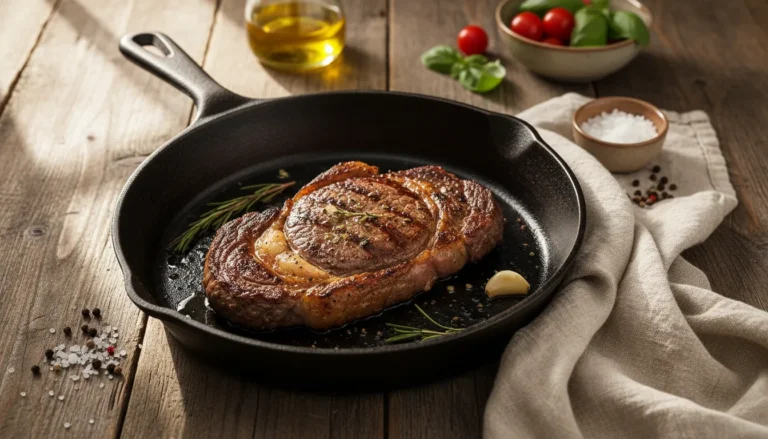
Grab your meat mallet and mixing bowl. We’re transforming cheap chuck into tender steak.
Why These Beef Chuck Steak Recipes Beat Expensive Cuts
- Budget-friendly at $5-7/pound versus $15-20 for premium cuts
- Rich, beefy flavor from well-exercised muscle
- Forgiving price point reduces cooking anxiety
- Great for marinades absorbs flavors better than lean cuts
- Family-friendly portions affordable for feeding multiple people
- Teaches technique tenderizing skills transfer to other cooking
- Sustainable choice uses whole-animal cuts, reducing waste
Choosing the Best Chuck Steak for These Recipes
The Cut: Chuck steak (also called chuck eye steak or shoulder steak) comes from the shoulder/neck area. According to the USDA’s beef cut identification guide, look for NAMP #116D. Chuck eye steak (closer to ribeye) is more tender than generic “chuck steak.” If available, buy chuck eye—it’s worth the slight premium.
Thickness: Buy steaks 3/4 to 1 inch thick for beef chuck steak recipes. You’ll pound them thinner (1/2 inch) with the mallet. Starting thicker gives you working material.
Marbling: Chuck has good marbling due to its location. Look for white fat threads throughout—this intramuscular fat keeps meat moist during cooking and adds flavor.
Buying Tips: Choose bright red meat. Some connective tissue (white streaks) is normal in chuck—the pounding and marinating will address this. Avoid dark, dry-looking meat or excessive liquid in packaging.
Ingredients List
| Quantity | Ingredient |
|---|---|
| 4 (8-10 oz) | Chuck steaks (3/4 to 1 inch thick) |
| For the Marinade: | |
| 1/2 cup | Soy sauce |
| 1/4 cup | Worcestershire sauce |
| 1/4 cup | Red wine vinegar or balsamic vinegar |
| 1/4 cup | Olive oil |
| 4 cloves | Garlic, minced |
| 2 tbsp | Brown sugar |
| 1 tbsp | Dijon mustard |
| 1 tsp | Black pepper |
| 1/2 tsp | Red pepper flakes (optional) |
| For Cooking: | |
| 2 tbsp | High-heat oil (avocado or canola) |
| 2 tbsp | Unsalted butter |
| 2 tsp | Kosher salt |
Ingredients Notes
The Acid: Vinegar (or wine, citrus juice) is essential in beef chuck steak recipes. The acid breaks down tough muscle fibers and connective tissue through chemical reaction. Red wine vinegar or balsamic work beautifully. Apple cider vinegar is sharper but effective.
The Soy Sauce: Provides both salt and umami depth. The sodium also helps tenderize through osmosis. Low-sodium soy works if concerned about salt levels.
The Sugar: Brown sugar balances acidity and aids in caramelization during searing. Don’t omit—it’s important for both flavor and browning.
Marinating Time: Minimum 4 hours, ideally 6-8 hours or overnight. Chuck’s density requires extended marinating for acid penetration.
Step-by-Step Instructions for Beef Chuck Steak Recipes
Recipe Card
🛠 Equipment Needed
- Meat Mallet
- Large Zip-Top Bag or Dish
- Cast Iron Skillet
- Instant-Read Thermometer
- Tongs
Step 1: Mechanical Tenderizing (Pounding)
Place chuck steaks on a cutting board. Cover with plastic wrap or place in a large zip-top bag (prevents splatter).
Using a meat mallet, pound steaks evenly to approximately 1/2-inch thickness. Focus on thicker areas. The goal is uniform thickness for even cooking.
Why This Works: Pounding physically breaks down tough muscle fibers and connective tissue. This mechanical tenderizing is critical in beef chuck steak recipes—it’s not optional.
Step 2: Making the Marinade
In a bowl, whisk together soy sauce, Worcestershire sauce, vinegar, olive oil, minced garlic, brown sugar, Dijon mustard, black pepper, and red pepper flakes if using.
Taste the marinade—it should be balanced: salty, acidic, slightly sweet, with savory depth.
Step 3: Marinating
Place pounded chuck steaks in a large zip-top bag or shallow dish. Pour marinade over steaks, ensuring they’re completely submerged.
Seal bag/cover dish and refrigerate 4-8 hours, flipping halfway through for even exposure.
Timing: 4 hours minimum. 6-8 hours ideal. Don’t exceed 12 hours—excessive acid exposure can make exterior mushy.
Step 4: Pre-Cooking Prep
Remove steaks from marinade 30 minutes before cooking to reach room temperature. Pat completely dry with paper towels—critical for browning.
Season both sides with kosher salt (the marinade provided flavor, but surface salt aids crust formation).
Discard used marinade—never reuse for food safety.
Step 5: Searing the Chuck Steaks
Heat a large skillet (cast iron ideal) over high heat for 4-5 minutes until smoking.
Add high-heat oil, swirl to coat.
Sear steaks 3-4 minutes first side without moving. They’re thin from pounding, so they cook quickly.
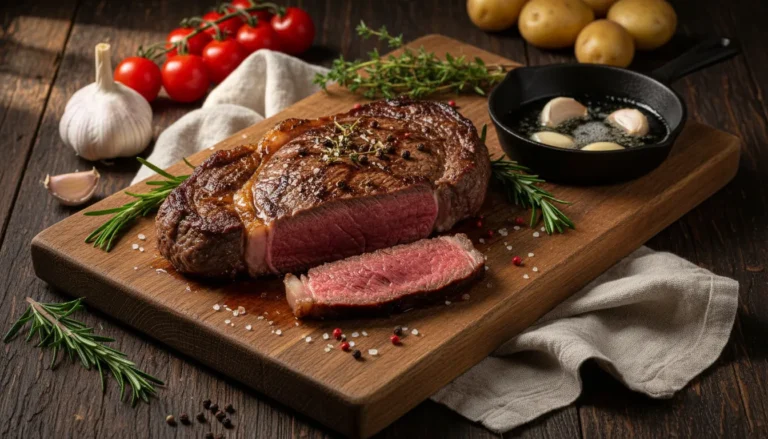
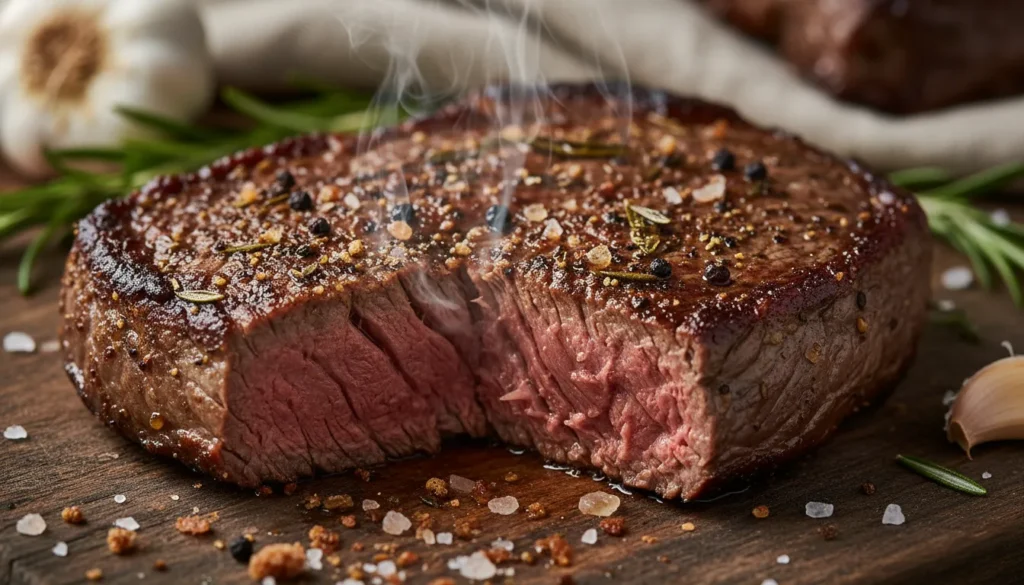
Flip and sear 3-4 minutes second side until internal temperature reaches 130-135°F for medium-rare.
Critical: Don’t overcook. Chuck becomes tough when cooked past medium. Pull at 130°F—it continues to 135°F during rest.
Step 6: Butter Basting (Optional)
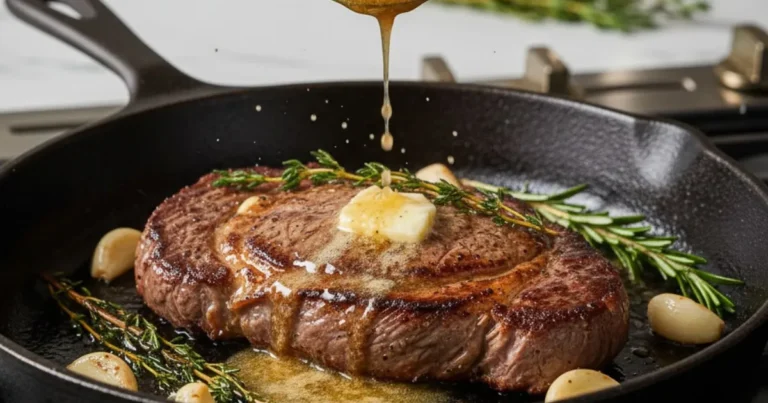
In the final minute, reduce heat to medium, add butter to pan. Spoon melted butter over steaks 30-60 seconds for added richness.
Step 7: Resting
Transfer steaks to a plate, tent with foil, rest 5 minutes minimum. This allows juice redistribution.
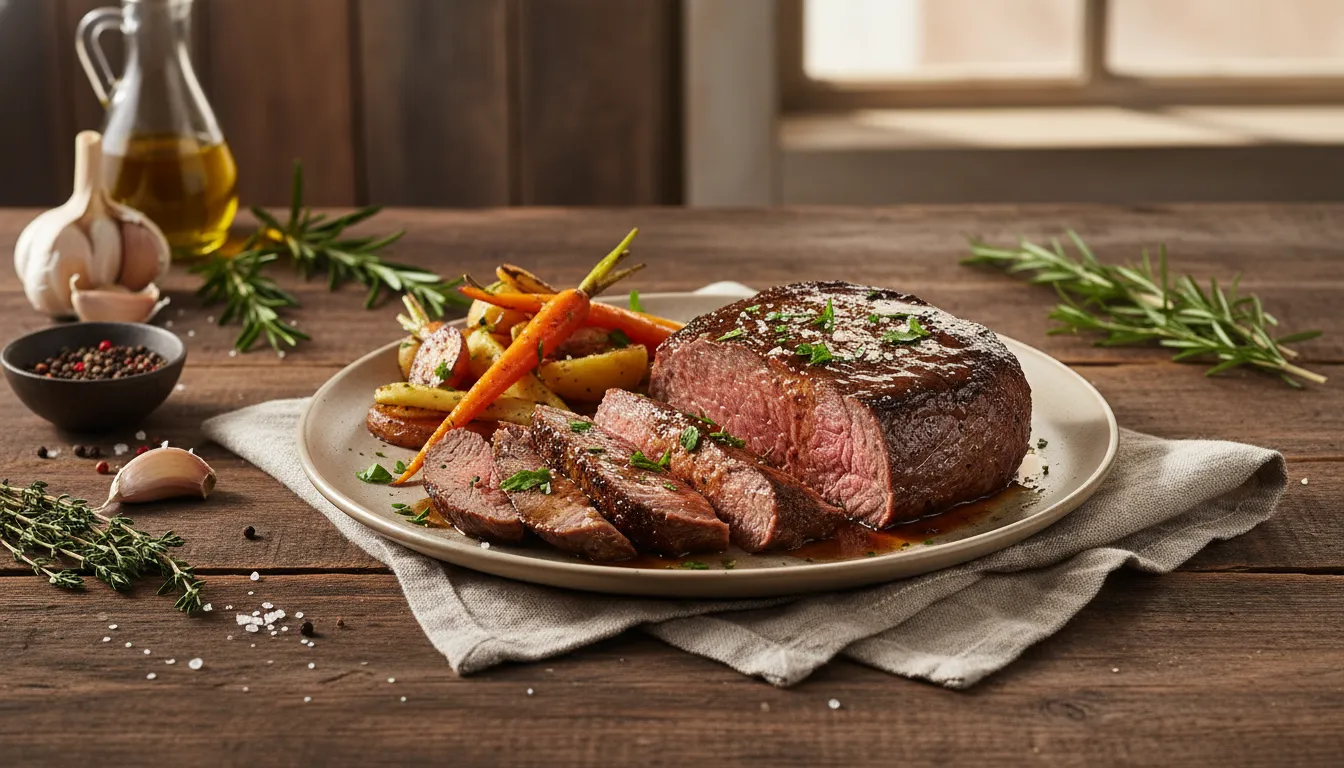
Serving: Slice against the grain at a 45-degree angle. Cutting against the grain is especially important for chuck—it shortens the still-present muscle fibers, improving perceived tenderness.
Expert Tips for Tender Beef Chuck Steak Recipes
Tip 1: Don’t Skip Pounding The meat mallet is non-negotiable in beef chuck steak recipes. Without mechanical tenderizing, chuck stays tough regardless of marinating or cooking technique.
Tip 2: Marinate Long Enough 4 hours minimum. Chuck’s density requires time for acid penetration. Quick 1-hour marinades don’t work for this cut.
Tip 3: Watch the Temperature Chuck has narrow doneness window. It’s tough when rare (cold, chewy connective tissue) and tough when well-done (overcooked muscle fibers). Medium-rare to medium is the sweet spot.
Tip 4: Slice Against the Grain Examine the cooked steak, identify muscle fiber direction, cut perpendicular. This shortens fibers dramatically, making each bite more tender.
Tip 5: Accept It’s Not Ribeye Properly prepared chuck is good, tender, and flavorful—but it won’t be identical to expensive cuts. Manage expectations and appreciate it for what it is: delicious budget beef.
Marinade Variations
Asian-Inspired: Replace vinegar with rice vinegar, add sesame oil, ginger, and 5-spice powder
Mexican-Style: Use lime juice instead of vinegar, add cumin, chili powder, and cilantro
Italian Herb: Balsamic vinegar, olive oil, rosemary, oregano, basil
Beer Marinade: Replace half the liquid with dark beer, add onion powder and paprika
Serving Suggestions
Sides: Since chuck is budget-friendly, pair with economical sides: mashed potatoes, roasted vegetables, rice pilaf, or simple salad.
Sauces: Chimichurri adds brightness. Mushroom gravy complements the beefy flavor. Horseradish cream provides sharp contrast.
Presentation: Slice and fan on plates to showcase the tender interior. This also makes chuck feel more upscale.
Wine Pairing: Chuck’s robust flavor pairs with bold reds. Try Malbec, Zinfandel, or Cabernet Sauvignon. No need for expensive bottles—budget wine matches budget beef.
Storage & Reheating
Marinated Raw: Steaks marinate up to 12 hours refrigerated. Cook within 24 hours of marinating start for food safety.
Cooked Leftovers: Store in airtight container up to 3 days. Slice before storing for easier reheating.
Reheating: Bring to room temperature, then warm gently in 250°F oven 8-10 minutes. Flash-searing sliced chuck in hot butter (20 seconds per side) works well. Avoid microwaving—makes tough meat tougher.
Creative Uses: Leftover chuck makes excellent steak tacos, fajitas, stir-fries, or Philly cheesesteaks where thin slicing and bold flavors shine.
Frequently Asked Questions
Can I skip the pounding step in beef chuck steak recipes?
- Not if you want tender results. Pounding is essential for chuck. Without it, the meat stays chewy regardless of marinating or cooking technique. It takes 2 minutes—don’t skip it.
Why is my chuck still tough after following the recipe?
- Most likely overcooked past medium, didn’t marinate long enough (minimum 4 hours), or forgot to slice against the grain. All three steps are critical for chuck tenderness.
Can I use this method on ribeye or sirloin?
- You can, but it’s unnecessary. Those cuts are already tender and don’t need pounding or extended marinating. Save this technique for budget cuts like chuck, round, or flank.
Is chuck steak safe to eat at medium-rare?
- Yes. Chuck is muscle meat, not ground beef. When purchased from reputable sources and cooked properly, medium-rare (130-135°F) is safe and recommended for best texture.
Conclusion
Mastering beef chuck steak recipes proves that budget cuts can deliver satisfaction with proper technique. The combination of mechanical tenderizing, acidic marinating, and precise cooking transforms tough shoulder muscle into surprisingly tender steak at fraction of premium prices. Once you’ve experienced properly prepared chuck, you’ll appreciate that great steak doesn’t always require great expense.
The beauty of cooking chuck is the skill development—learning to tenderize, marinate, and cook to precise doneness transfers to countless other recipes. You’re not just making cheap steak; you’re becoming a better cook.
Grab that meat mallet and start marinating. Tender, affordable steak awaits.
Rate this recipe and tell us your favorite budget cut preparation in the comments!