Beef Lomo Saltado Recipe: Best Peruvian Stir Fry
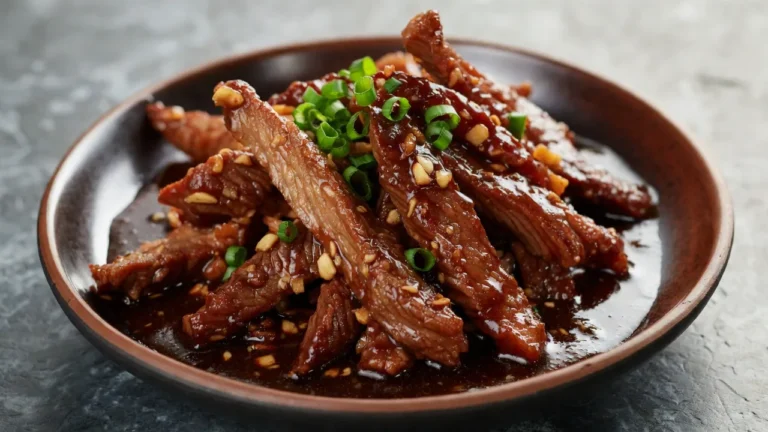
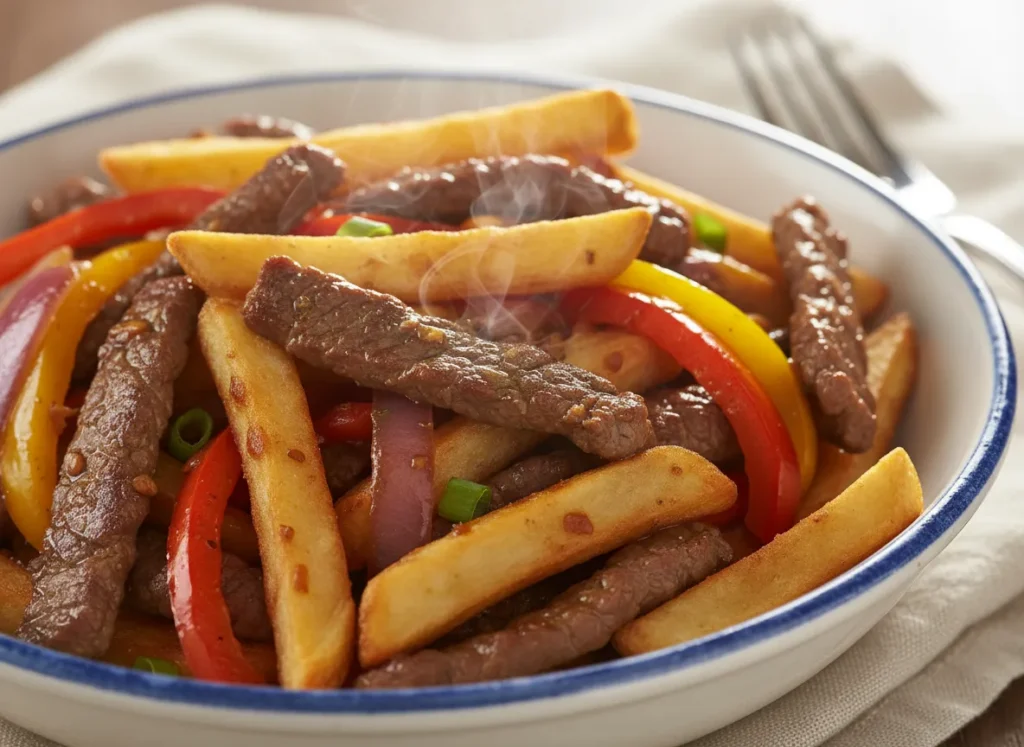
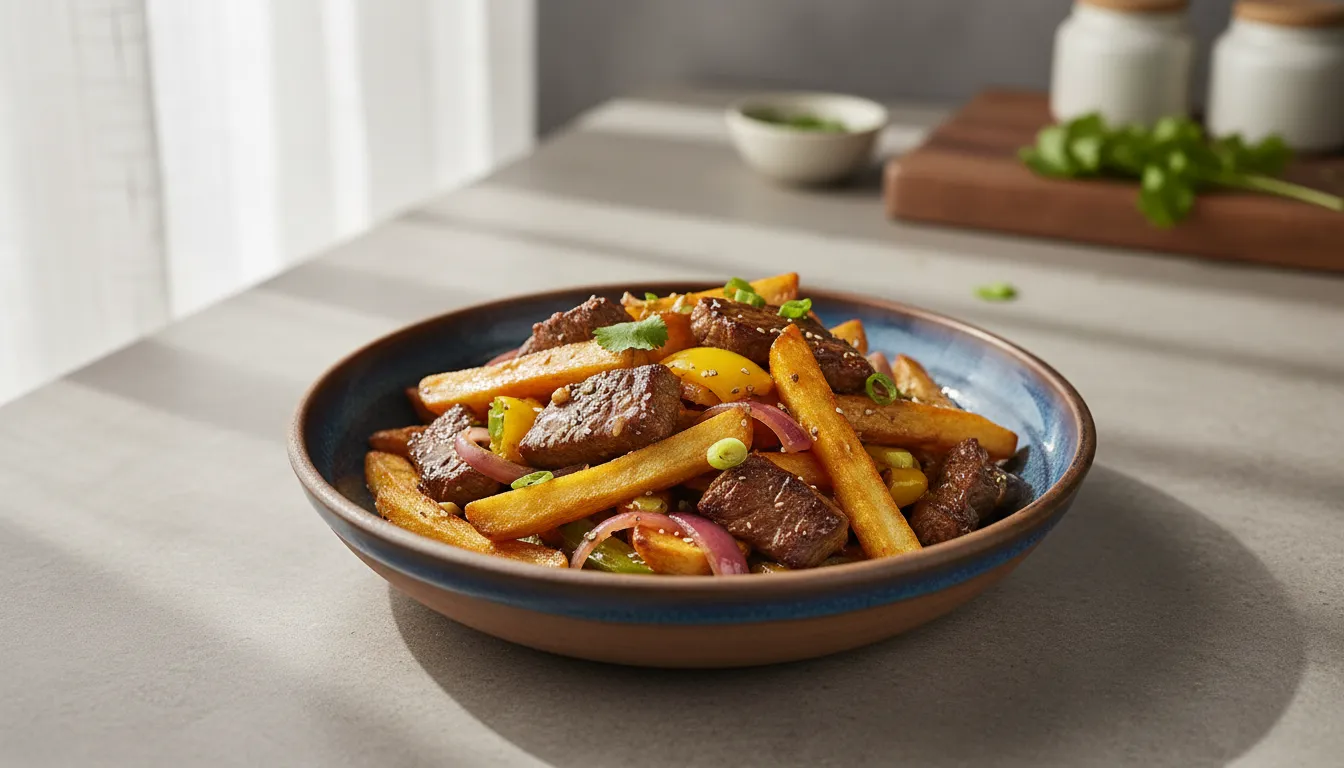
Lomo saltado is a vibrant Peruvian stir-fry combining tender marinated beef, crispy fries, juicy tomatoes, and onions in a bold soy-vinegar sauce. This fusion dish delivers restaurant-quality results in 30 minutes with high-heat searing that creates irresistible caramelized flavors.
Ever wonder why your beef stir-fries turn out tough and bland while Peruvian restaurants serve up tender, flavor-packed lomo saltado every time? The difference isn’t just in the ingredients—it’s about understanding the cut, mastering the technique, and respecting the intense heat that makes this dish legendary.
This beef lomo saltado recipe cracks the code with the perfect cut selection, a quick marinade that tenderizes without overpowering, and the high-heat wok technique that creates those signature charred edges. If you’re still figuring out which beef cuts work best for quick-cooking methods, our ultimate guide to beef cuts and cooking breaks down everything you need to know about choosing and preparing different cuts.
The secret lies in the Maillard reaction—that gorgeous browning that happens when beef hits screaming-hot metal. Combined with Peru’s genius fusion of Asian stir-fry techniques and South American boldness, you get a dish that’s truly greater than the sum of its parts.
Here’s everything you need to know to master this Peruvian classic that’ll have everyone asking for seconds.
Why This Beef Lomo Saltado Recipe is a Keeper
- Ready in 30 minutes: Faster than most takeout orders, with fresh ingredients you control
- Crowd-pleaser: The combination of beef, fries, and bold sauce appeals to everyone
- Budget-friendly: Uses affordable sirloin that delivers premium taste when cooked right
- Authentic fusion: Honors Peru’s Chinese-Peruvian culinary heritage with genuine technique
- Versatile: Serve over rice, with extra fries, or straight from the wok
Choosing the Best Cut of Beef for Beef Lomo Saltado
The Ideal Cut: Sirloin Steak
For this beef lomo saltado recipe, sirloin (specifically top sirloin or sirloin tip) is the traditional choice. This moderately tender cut has just enough marbling to stay juicy under high heat while maintaining a firm texture that holds up during vigorous stir-frying. The grain structure allows for clean, even slicing into strips that cook quickly and evenly.
Why It Works Scientifically:
Sirloin’s moderate fat content (around 5-7% depending on grade) provides flavor without rendering too much during the brief cooking time. When you sear it at high temperatures, the surface proteins undergo the Maillard reaction, creating complex savory notes while the interior stays tender and juicy. The key is cutting against the grain into ¼-inch strips—this shortens the muscle fibers, making each bite more tender even though you’re cooking to medium doneness.
According to Serious Eats, the brief marination in soy sauce and vinegar not only adds flavor but also helps denature surface proteins, improving tenderness without turning the meat mushy.
Substitutions:
If sirloin isn’t available, try:
- Tenderloin (lomo): More expensive but incredibly tender; the traditional Peruvian choice
- Ribeye: More marbling means richer flavor, but watch for flare-ups
- Flank steak: Leaner option; requires careful attention to grain direction
- Strip steak: Great balance of tenderness and flavor
Buying Tips: Look for bright red color with fine white marbling throughout. Avoid cuts with large pockets of fat or extensive connective tissue. Ask your butcher for steaks about 1 inch thick—they’re easier to slice into uniform strips. If buying pre-cut stir-fry beef, ensure pieces are evenly sized for consistent cooking.
Ingredients List
| Quantity | Ingredient |
|---|---|
| 1.5 lbs | Sirloin steak, sliced into ¼-inch strips |
| 3 medium | Tomatoes, cut into wedges |
| 1 large | Red onion, cut into thick strips |
| 3 cloves | Garlic, minced |
| 1 | Yellow ají pepper, sliced (or 1 jalapeño) |
| 3 cups | French fries (frozen or homemade) |
| 3 tbsp | Vegetable oil, divided |
| 2 tbsp | Fresh cilantro, chopped |
| For the Marinade: | |
| 3 tbsp | Soy sauce |
| 2 tbsp | Red wine vinegar |
| 1 tsp | Ground cumin |
| ½ tsp | Black pepper |
| For the Sauce: | |
| 2 tbsp | Soy sauce |
| 1 tbsp | Red wine vinegar |
| 1 tbsp | Oyster sauce (optional) |
| 1 tsp | Ají amarillo paste (or sriracha) |
| For Serving: | |
| 4 cups | Cooked white rice |
Ingredients Notes
The Beef: Pat the sirloin completely dry before slicing—excess moisture steams the meat instead of searing it. Freeze the steak for 15-20 minutes before cutting; it firms up just enough to make thin, uniform strips easier. Always slice against the grain for maximum tenderness.
Ají Amarillo: This Peruvian yellow chili paste adds authentic fruity heat. Find it in Latin markets or online. Sriracha or jalapeño work as substitutes, but they’ll change the flavor profile slightly.
The Fries: Traditional lomo saltado uses thick-cut fries that stay crispy even when tossed with the sauce. Frozen steak fries work perfectly—bake them extra crispy since they’ll soften slightly when combined. Some cooks fry them fresh for ultimate authenticity.
Soy Sauce: This reflects Peru’s significant Chinese immigrant influence. It adds umami depth and helps with browning. Use regular soy sauce, not low-sodium, for proper seasoning intensity.
Cumin: This warm spice is essential to the dish’s flavor profile. It bridges the Asian and South American elements beautifully.
Step-by-Step Instructions
Recipe Card
🛠 Equipment Needed
- Large wok or cast-iron skillet
- sharp knife
- cutting board
- mixing bowls
- baking sheet (for fries)
- tongs or wooden spatula
Prep & Season
Slice the sirloin against the grain into strips about ¼-inch thick and 2-3 inches long. In a bowl, combine marinade ingredients: soy sauce, red wine vinegar, cumin, and black pepper. Add the beef strips and toss to coat evenly. Let marinate for 15-20 minutes at room temperature while you prep the vegetables and cook the fries.
Cut tomatoes into wedges and red onion into thick strips. Mince the garlic and slice the ají pepper. Mix sauce ingredients in a small bowl and set aside.
Cook fries according to package directions (or fry fresh) until extra crispy. Keep warm.
The Cooking Process
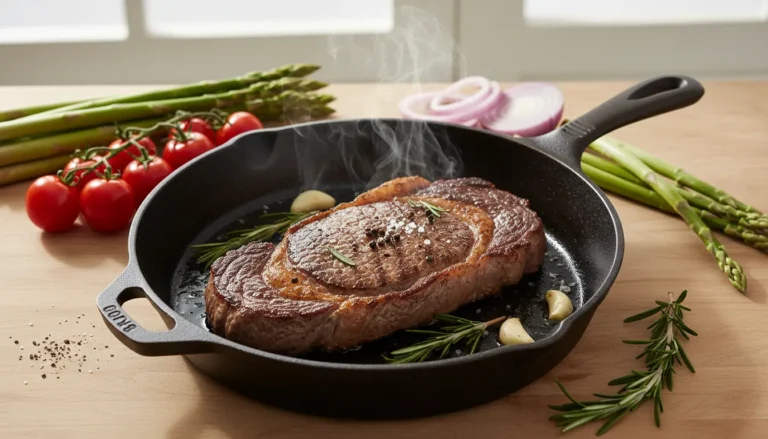
Heat a large wok or cast-iron skillet over the highest heat setting until smoking. Add 2 tablespoons vegetable oil and swirl to coat. Working in batches if necessary, add the beef in a single layer. Let it sit undisturbed for 60-90 seconds until a deep brown crust forms. That sizzle and char is exactly what you want—it’s the Maillard reaction creating flavor.
Flip quickly and cook another 30-60 seconds. The beef should be medium-rare to medium. Transfer to a plate immediately—don’t overcook at this stage.
Add the remaining tablespoon of oil to the wok. Toss in onions and ají pepper, stirring constantly for 2 minutes until the onions soften but still have snap. Add garlic and cook for 30 seconds until fragrant.
Add tomato wedges and stir-fry for 1-2 minutes. They should soften slightly but hold their shape. Return the beef to the wok along with the prepared sauce. Toss vigorously for 30 seconds, then add the crispy fries. Give everything a quick toss to combine—about 15 seconds. You want the fries to absorb some sauce but maintain texture.
Remove from heat immediately and garnish with fresh cilantro.
Doneness Guide
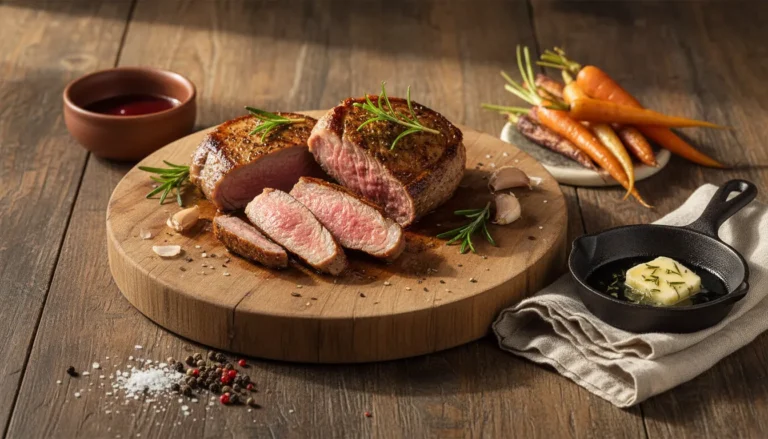
For lomo saltado, medium-rare to medium is ideal. The quick cooking means you’ll rely on visual cues:
| Doneness | Visual Cue | Internal Temp |
|---|---|---|
| Rare | Deep red center | 125°F |
| Medium-Rare | Pink throughout (ideal) | 135°F |
| Medium | Slight pink in center | 145°F |
| Medium-Well | Minimal pink (acceptable) | 150°F |
| Well-Done | No pink (not recommended) | 160°F+ |
Resting
Unlike large steaks, lomo saltado’s thin strips don’t require extended resting. The brief 30-second toss after returning beef to the wok serves as a mini-rest period, allowing juices to redistribute. The high heat and quick cooking mean residual heat is minimal, so serve immediately for the best texture and temperature.
Expert Tips for Tender Beef Every Time
Tip 1: Maximum Heat is Non-Negotiable
Your wok or skillet must be screaming hot—we’re talking smoke point. This is the only way to achieve proper searing and that characteristic charred flavor. If your beef steams instead of sears, your heat is too low.
Tip 2: Work in Batches
Even with a large wok, overcrowding drops the temperature instantly. Cook beef in two batches if needed. It takes an extra 2 minutes but delivers infinitely better results.
Tip 3: Room Temperature Beef
Cold beef from the fridge won’t develop a proper crust. Let your marinated beef sit at room temperature for 15-20 minutes before cooking. The even temperature ensures consistent searing.
Tip 4: Don’t Overdress
The sauce should coat ingredients lightly, not drown them. You want a glistening finish, not a soupy mess. Save any extra sauce for drizzling over rice.
Tip 5: Timing is Everything
Lomo saltado is about speed. Have everything prepped and ready. Once you start cooking, it’s 5 minutes from start to finish. No time for multitasking.
Serving Suggestions & Pairings
Traditional Service:
- Serve directly from the wok over a bed of fluffy white rice
- The fries can be mixed in or served on the side
- Garnish generously with fresh cilantro
Side Dishes:
- Additional white rice (essential for soaking up the sauce)
- Simple green salad with lime vinaigrette
- Peruvian beans (canary beans or mayocoba)
- Fried plantains for extra Peruvian flair
Beverage Pairings:
- Inca Kola (Peru’s beloved soda)
- Cold Cusqueña or Pilsen beer
- Chicha morada (purple corn drink)
- Pisco sour as an appetizer
Storage, Freezing & Reheating
Refrigerator Storage: Store leftover lomo saltado in an airtight container for up to 2 days. Note that the fries will lose their crispness—this dish is truly best fresh. Store the fries separately if possible.
Freezing: Not recommended. The vegetables become mushy and the fries turn soggy when thawed. If you must freeze, freeze only the cooked beef strips in sauce (without vegetables or fries) for up to 1 month.
Reheating: Reheat in a hot wok or skillet, not the microwave. Add a splash of water or beef broth and toss over high heat for 2-3 minutes. The beef will cook a bit more, so factor that in. For best results, prepare fresh fries and toss them in at the last second.
Frequently Asked Questions
Can I use a different cut of beef for this beef lomo saltado recipe?
- Absolutely! Tenderloin is the premium choice (and what “lomo” literally means), but ribeye, strip steak, or flank steak all work well. The key is slicing against the grain into thin, uniform strips and not overcooking. Avoid tough cuts like chuck or round steak unless you’re willing to marinate longer.
How long does it take to make lomo saltado from start to finish?
- Total time is about 30-35 minutes: 10 minutes for prep and marinating, 15 minutes for cooking fries, and 5-7 minutes for the actual stir-fry. If using frozen fries, you can bake them while the beef marinates, making this a quick weeknight dinner.
Is lomo saltado gluten-free?
- Not as written, due to soy sauce and oyster sauce. Use tamari instead of soy sauce and either omit oyster sauce or use a gluten-free version. Always check labels, as some ají amarillo pastes contain gluten as a thickener.
Can I make lomo saltado without fries?
- You can, but you’ll lose a key element that makes this dish special. The fries aren’t just a side—they absorb the sauce and add textural contrast. If avoiding fried foods, try thick-cut roasted potatoes crisped in the oven. They won’t be traditional, but they’ll work.
Conclusion
This beef lomo saltado recipe brings the bold, vibrant flavors of Peru right to your kitchen. With the right cut of beef, proper high-heat technique, and that perfect balance of soy, vinegar, and spices, you’ll create a dish that rivals any Peruvian restaurant—and in less time than delivery would take.
The beauty of lomo saltado lies in its fusion heritage—a testament to Peru’s Chinese immigrant community and their lasting influence on Peruvian cuisine. When you understand the why behind the technique—maximum heat for the Maillard reaction, quick cooking for tender beef, and cutting against the grain for the best texture—you’re not just following a recipe. You’re mastering a culinary tradition. Want to explore more ways to work with different beef cuts? Check out our ultimate guide to beef steak cuts and cooking for comprehensive techniques.
Ready to bring Peru to your table? Make this lomo saltado tonight, rate the recipe below, and share your results! Did you use traditional ají amarillo or go with a substitute? Pin this recipe to Pinterest so you’ll have it ready for your next craving!