Mongolian Beef Recipes: Best PF Chang’s Copycat
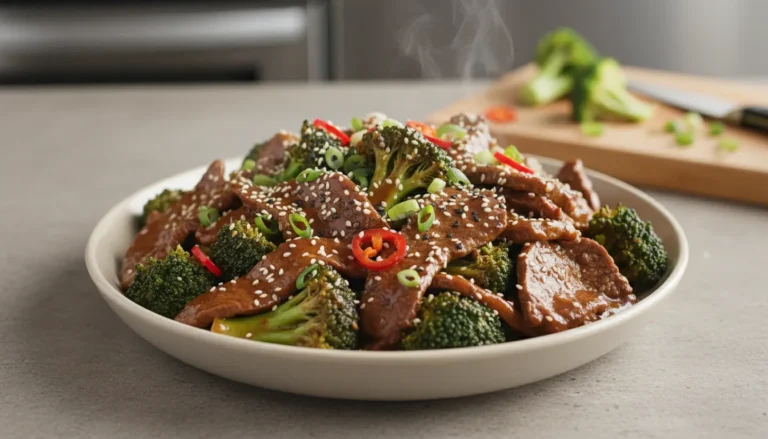
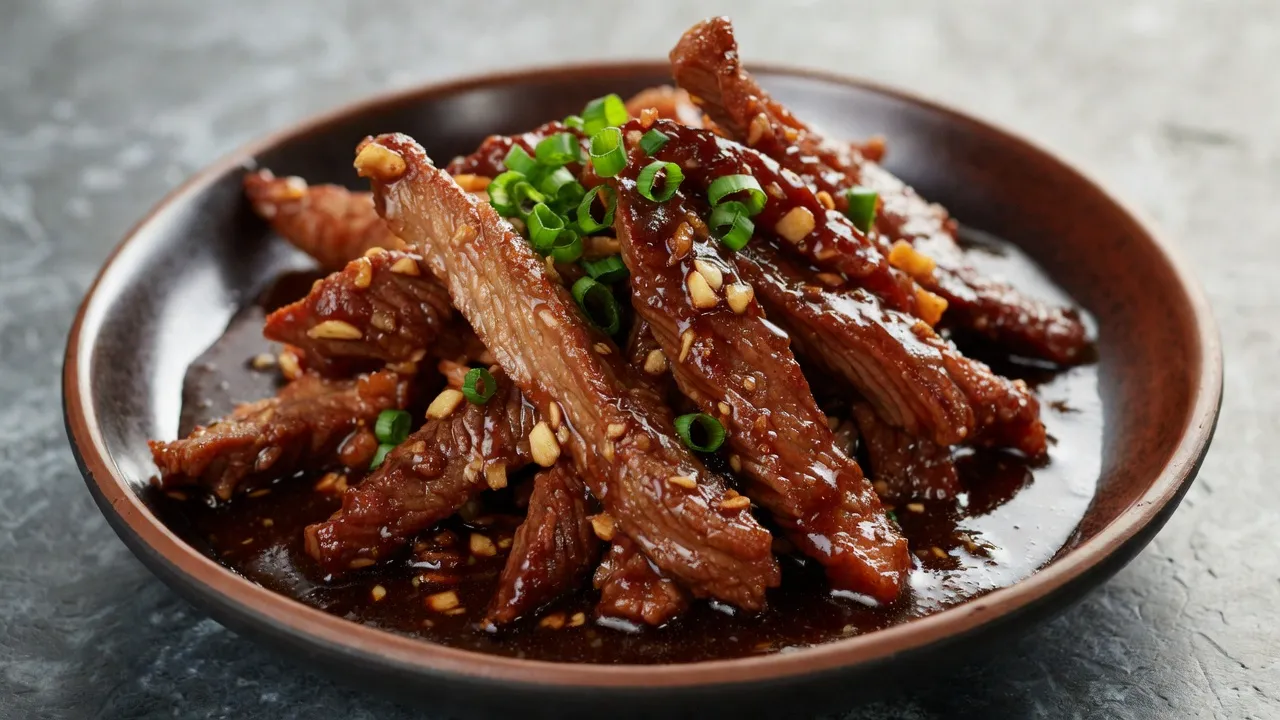
These Mongolian beef recipes recreate the famous PF Chang’s dish with crispy beef strips coated in a sweet-savory sauce. Restaurant-quality results at home using simple ingredients and a hot wok for that addictive caramelized exterior.
Ever order Mongolian beef at PF Chang’s and wonder how they achieve that perfect combination of crispy, caramelized beef in sticky-sweet sauce? Most home attempts result in soggy, steamed beef that lacks that signature texture and intense flavor. The secret isn’t exotic ingredients—it’s technique.
The solution is these authentic Mongolian beef recipes that replicate the restaurant method: coating beef in cornstarch for maximum crispiness, frying in very hot oil to create a crunchy exterior, and tossing with a bold sauce that’s perfectly balanced between sweet and savory. The result tastes like your favorite takeout but fresher and less greasy.
Why does this work? The cornstarch coating creates a barrier that prevents steam from softening the beef while enabling a crispy crust through the Maillard reaction. The high sugar content in the sauce caramelizes against the hot beef, creating complex flavor and that addictive sticky glaze. Understanding beef cut selection for different cooking methods can help you achieve optimal results—learn more in our ultimate guide to beef steak cuts and cooking.
Here’s everything you need to know to master Mongolian beef recipes and bring restaurant magic to your home kitchen.
Why These Mongolian Beef Recipes are Keepers
- Tastes just like PF Chang’s with that famous sweet-savory flavor
- Crispy texture that stays crispy even after saucing
- Simple ingredients you can find at any grocery store
- Impressive presentation perfect for dinner parties
- Customizable heat level from mild to spicy
- Better than takeout – fresher, less greasy, and half the cost
Choosing the Best Cut of Beef for Mongolian Beef
The Ideal Cut: Flank steak is the gold standard for Mongolian beef. This lean cut from the cow’s lower chest has long, visible muscle fibers that create tender strips when sliced thinly against the grain. It absorbs marinades well and cooks quickly, developing excellent flavor without becoming tough.
Substitutions: Sirloin steak (top sirloin or sirloin flap) works beautifully and is often easier to find. Skirt steak has excellent flavor but can be tougher—slice it extra thin and pound slightly if needed. Ribeye works but is more expensive than necessary and the extra fat can make the dish greasy. Avoid round cuts or stew meat—they’re too tough for quick cooking.
Buying Tips: Look for flank steak with visible grain running in one clear direction. The meat should be deep red with minimal fat. Ask your butcher to slice it thinly for you if you’re short on time, but specify you want it cut against the grain. Otherwise, partially freeze the beef for 30 minutes before slicing at home—this firms it up for easier, more precise cutting.
Ingredients List
| Quantity | Ingredient |
|---|---|
| 1.5 lbs | Flank Steak, sliced against grain into thin strips |
| ½ cup | Cornstarch |
| ½ cup | Vegetable Oil or Peanut Oil (for frying) |
| 4 cloves | Garlic, minced |
| 1 tbsp | Fresh Ginger, minced |
| 4 | Green Onions (2 for sauce, 2 for garnish) |
| 1 tsp | Red Pepper Flakes (optional) |
| 1 tbsp | Toasted Sesame Seeds |
For the Sauce:
| Quantity | Ingredient |
|---|---|
| ½ cup | Soy Sauce (low-sodium preferred) |
| ½ cup | Water |
| ½ cup | Brown Sugar, packed |
| 2 tsp | Hoisin Sauce |
| 1 tsp | Dark Sesame Oil |
| 1 tsp | Cornstarch (for thickening) |
Ingredients Notes
The Beef: Slicing against the grain is absolutely critical. Identify the direction of the muscle fibers (they run in parallel lines) and cut perpendicular to them. Strips should be about ¼-inch thick and 2-3 inches long. Uniform size ensures even cooking.
Cornstarch Coating: The cornstarch creates the signature crispy texture. Make sure beef strips are completely dry before coating—pat with paper towels. The drier the beef, the crispier the crust.
Brown Sugar: Dark brown sugar creates a richer, more molasses-like flavor similar to what PF Chang’s uses. Light brown sugar works but produces a slightly less complex taste.
Hoisin Sauce: This thick, sweet-savory sauce adds depth and authentic Chinese flavor. Don’t skip it—it’s what makes the sauce taste restaurant-quality rather than just sweet soy sauce.
Fresh Aromatics: Fresh garlic and ginger are non-negotiable. The recipe uses a relatively small amount, but their impact is huge. Mincing them finely ensures they distribute evenly through the sauce.
Green Onions: Use the white and light green parts for cooking, and reserve the dark green parts for garnish. The cooked onions add flavor to the sauce; the raw ones add fresh crunch on top.
Step-by-Step Instructions
Recipe Card
🛠 Equipment Needed
- Wok or large skillet
- shallow bowls for coating
- paper towels
- tongs
- small bowl for sauce
- whisk
- serving platter
Prep & Season
1. Slice flank steak against the grain into strips about ¼-inch thick and 2-3 inches long. Pat strips completely dry with paper towels—this is essential for crispy coating.
2. In a small bowl, whisk together all sauce ingredients: soy sauce, water, brown sugar, hoisin sauce, sesame oil, and 1 teaspoon cornstarch. Set aside.
3. Slice 2 green onions into 1-inch pieces for cooking. Slice remaining 2 green onions thinly on the diagonal for garnish.
4. Mince garlic and ginger very finely.
The Cooking Process
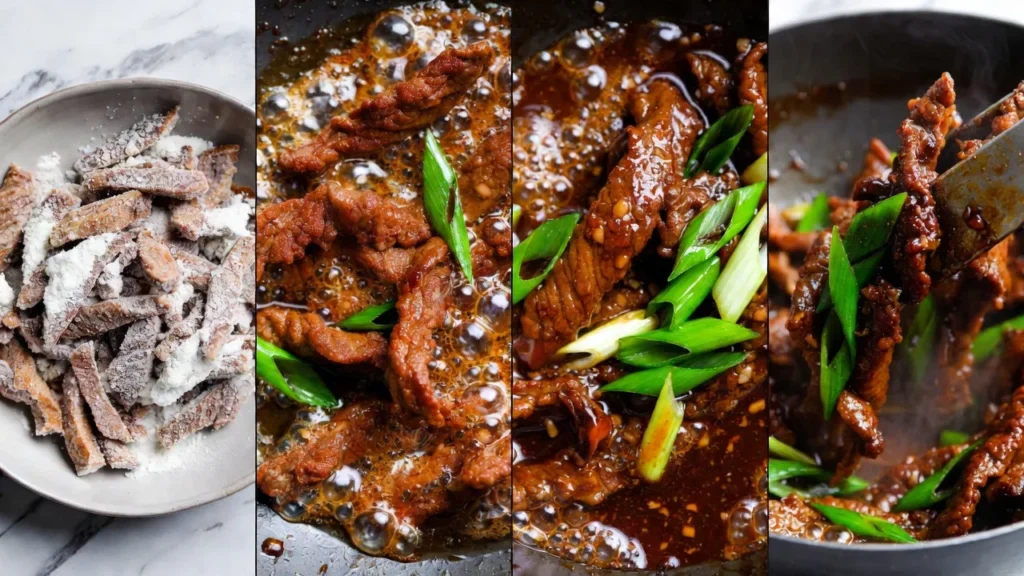
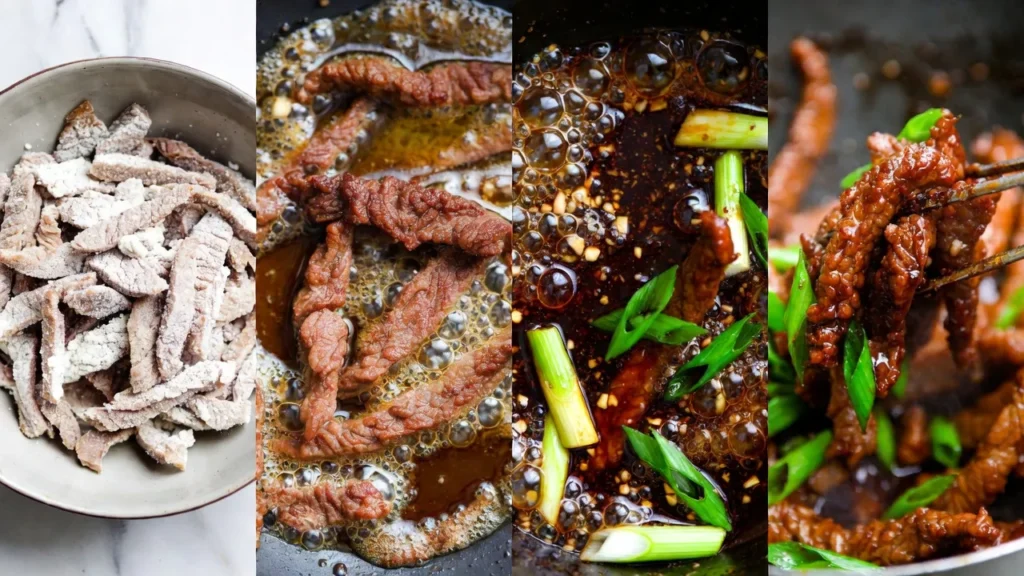
5. Place ½ cup cornstarch in a shallow bowl or plate. Working with a handful of beef strips at a time, toss in cornstarch until completely coated. Shake off excess—you want a thin, even coating, not thick clumps.
6. Heat a wok or large skillet over high heat for 2-3 minutes. Add vegetable oil and heat until shimmering (about 375°F if you have a thermometer, or until a piece of beef sizzles immediately when added).
7. Working in 2-3 batches to avoid overcrowding, add coated beef strips in a single layer. Let them sear without moving for 1-2 minutes until the bottom is deep golden brown and crispy.
8. Flip the strips and cook another 1-2 minutes until crispy on all sides. The beef should have a crunchy, almost lacquered appearance. Transfer to a paper towel-lined plate. Repeat with remaining beef.
9. Pour off all but 1 tablespoon of oil from the wok. If bits of burnt cornstarch remain, wipe the wok clean with a paper towel.
10. Return the wok to medium-high heat. Add garlic, ginger, and white parts of sliced green onions. Stir-fry for 20-30 seconds until fragrant but not browned.
11. Give the sauce a quick stir (cornstarch settles), then pour it into the wok. It will bubble vigorously. Stir constantly for 1-2 minutes until the sauce thickens into a glossy glaze that coats the back of a spoon.
12. Return all the crispy beef to the wok. Toss quickly (15-30 seconds) to coat every piece with sauce. Don’t over-toss or the beef will lose its crispiness.
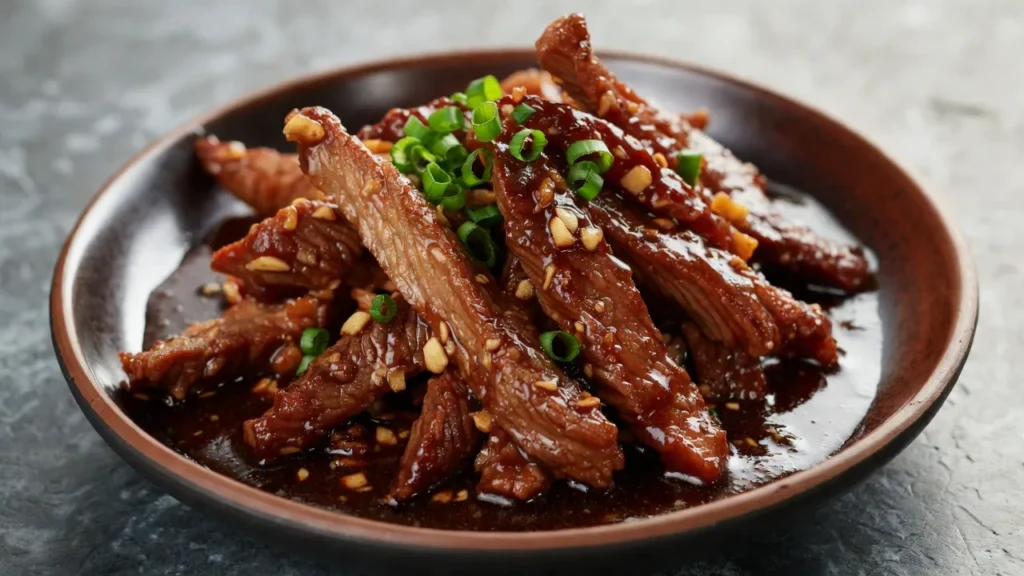
13. Remove from heat immediately. Transfer to a serving platter and garnish with sliced green onions and sesame seeds. Serve at once.
Doneness Guide
Mongolian beef is all about texture—the beef should be crispy on the outside while remaining tender inside:
| Stage | Visual Cue | Texture |
|---|---|---|
| Undercooked | Pale coating, soft | Not crispy, coating falls off |
| Perfect | Deep golden brown, glossy | Crispy exterior, tender inside |
| Overcooked | Dark brown/burnt edges | Hard, tough, bitter |
The Crispiness Test: Properly fried beef should make a light crunching sound when you break a piece. If it’s silent, the coating is too soft—the oil wasn’t hot enough or the beef wasn’t dry before coating.
Resting
No resting needed for Mongolian beef! This dish must be served immediately while the coating is still crispy. Every minute it sits causes the sauce to soften the crust. Plate it, garnish it, and get it to the table fast.
Expert Tips for Perfect Mongolian Beef Every Time
Dry Beef is Everything: The number one reason for soggy Mongolian beef is moisture. Pat your beef strips bone-dry with paper towels before coating. Even a little surface moisture prevents the cornstarch from adhering properly.
Hot Oil is Non-Negotiable: Your oil must be genuinely hot (375°F) before adding beef. Test with a small piece—it should sizzle vigorously and float to the surface. Too-cool oil makes the beef absorb grease and turn soggy.
Don’t Overcrowd the Wok: Cook in batches even though it takes longer. Overcrowding drops the oil temperature dramatically, causing the beef to steam rather than fry. Leave space between pieces for proper crisping.
Toss Quickly with Sauce: The moment you add the crispy beef to the sauce, your countdown begins. Toss just enough to coat (15-30 seconds max), then plate and serve. The longer it sits in sauce, the soggier it becomes.
Shake Off Excess Cornstarch: Too much cornstarch creates thick, doughy coating instead of crispy crust. Each beef strip should have a thin, even coating—you should still see the meat through it.
Make the Sauce First: Have your sauce completely prepared before you start frying beef. Once the beef is crispy, everything happens in rapid succession—there’s no time to measure and mix.
Serving Suggestions & Pairings
Side Dishes:
- Steamed white rice or fried rice (essential for soaking up sauce)
- Steamed broccoli or Chinese vegetables
- Vegetable spring rolls or egg rolls
- Simple cucumber salad with rice vinegar
- Stir-fried green beans with garlic
Complete the Meal: Serve as part of a Chinese feast with other favorites like orange chicken, kung pao shrimp, or egg drop soup.
Restaurant-Style Presentation: Serve on a white platter garnished generously with green onions and sesame seeds. The visual contrast makes it look truly special.
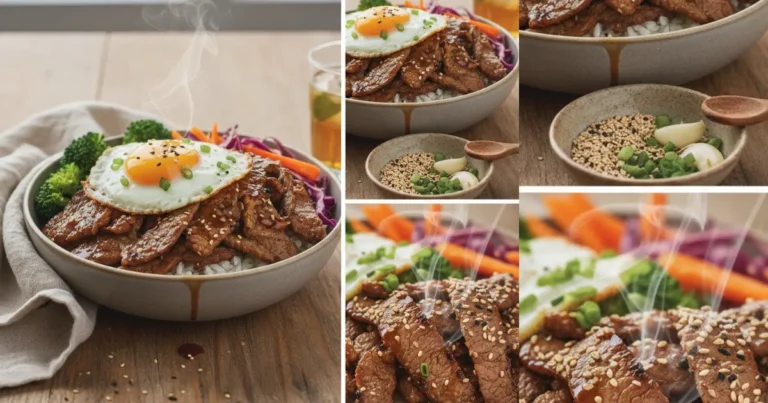
Make it a Bowl: Serve over rice in bowls topped with steamed broccoli, shredded carrots, and a fried egg for a complete meal.
Storage, Freezing & Reheating
Critical Warning: Mongolian beef is best eaten immediately. The crispy coating softens quickly, especially after refrigeration.
Fridge Life: If you must store leftovers, refrigerate in an airtight container for up to 2 days. However, expect the coating to be completely soft—it will taste good but won’t have that crispy texture.
Freezing: Not recommended. Freezing destroys the texture completely. The sauce freezes fine, but the beef becomes mushy upon thawing.
Reheating: The microwave makes everything soggy—avoid. Best method: Heat a wok or skillet over high heat with a tablespoon of oil. Add leftover Mongolian beef and stir-fry for 2-3 minutes until heated through. This won’t restore full crispiness but it’s better than microwaving. Alternatively, reheat the beef in a 400°F oven for 5-7 minutes on a wire rack.
Prep-Ahead Strategy: You can slice and coat the beef with cornstarch ahead of time (store in refrigerator), and make the sauce in advance. But the actual frying and saucing must be done immediately before serving.
Frequently Asked Questions
Q: Can I bake the beef instead of frying for a healthier version? A: You can bake coated beef strips at 425°F on a wire rack for 15-20 minutes, flipping once, but the texture will be different—crispy but not the same as the fried version. It’s a healthier alternative that still tastes good, but if you want authentic PF Chang’s texture, frying is necessary.
Q: Why is my Mongolian beef sauce too thin or too thick? A: Too thin means the cornstarch in the sauce didn’t activate—make sure to bring it to a full simmer and stir constantly. Too thick means it cooked too long—add a tablespoon of water at a time until it reaches the right consistency. The sauce should coat the back of a spoon but still be pourable.
Q: Can I use a different type of sugar? A: Brown sugar is strongly preferred for its molasses flavor, but you can substitute white sugar in a pinch. Honey or maple syrup work but change the flavor profile significantly—use ⅓ cup instead of ½ cup as they’re sweeter.
Q: How do I make this recipe spicier? A: Add 1-2 teaspoons of red pepper flakes to the sauce, use 1-2 diced Thai chilies when cooking the aromatics, or add a tablespoon of chili-garlic sauce to the sauce mixture. Serve with sriracha on the side for customizable heat.
Q: What’s the difference between Mongolian beef and beef and broccoli? A: Mongolian beef features crispy, fried beef in a sweet-savory sauce with green onions, while beef and broccoli has tender, stir-fried beef with vegetables in a lighter, more savory sauce. Mongolian beef is sweeter, crispier, and doesn’t typically include vegetables beyond green onions.
Conclusion
These Mongolian beef recipes bring the magic of PF Chang’s into your kitchen, proving that restaurant-quality Chinese food is absolutely achievable at home. The combination of crispy beef and sticky-sweet sauce is irresistible—once you master this technique, you’ll never order it out again.
The key to success is understanding that this isn’t typical stir-fry—it’s a two-stage cooking process where you first crisp the beef to perfection, then toss it quickly with sauce at the very end. Respect that technique, use high heat, and work quickly, and you’ll create a dish that rivals (or surpasses) any restaurant version.
Rate this recipe and share it on Pinterest so other home cooks can discover how to make restaurant-quality Mongolian beef!