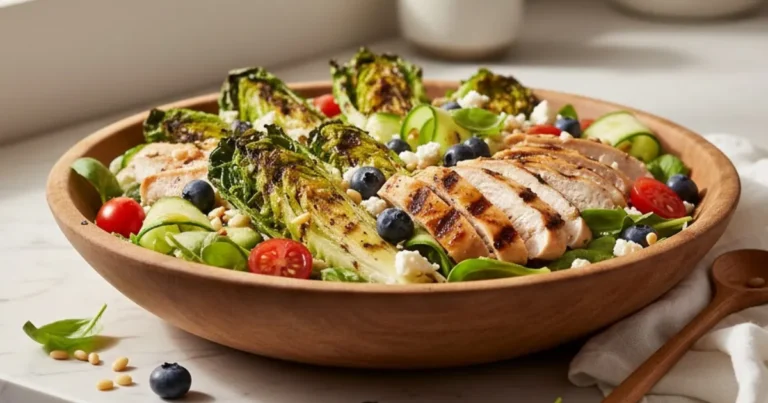
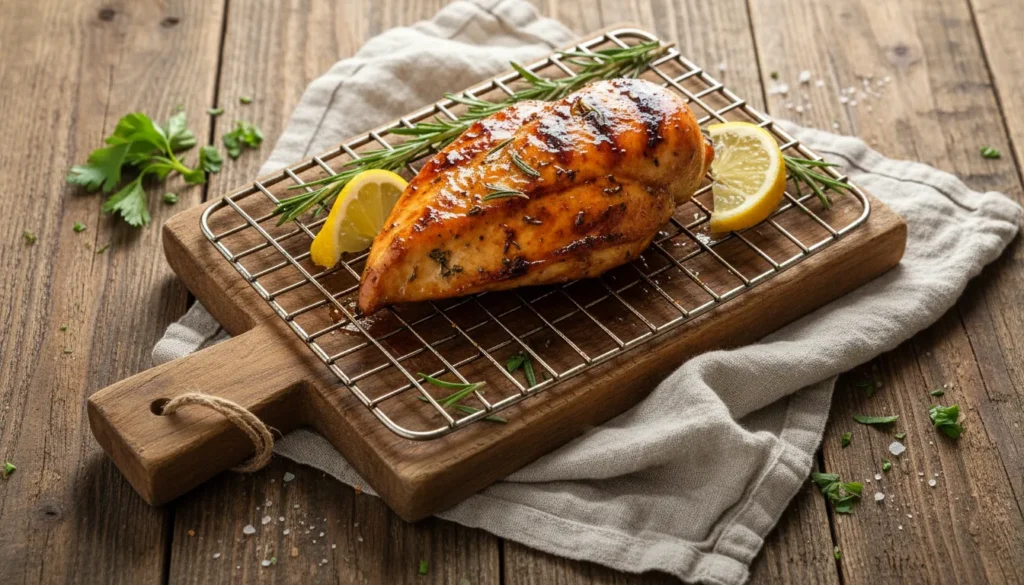
Bbq chicken breast recipe on grill: Best Glazed Dinner
How to Grill Glazed BBQ Chicken Breast: Grill chicken breasts at 375-400°F for 18-22 minutes over medium-high heat, flipping once halfway through. Use an instant-read thermometer to check for 165°F internal temperature. Let rest 5 minutes before slicing.
Dry, rubbery chicken breast? That’s every backyard cook’s nightmare. The problem isn’t you—it’s the method. Most people blast chicken breast over high direct heat, turning juicy protein into sawdust. This recipe for bbq chicken breast on the grill uses a simple two-zone setup and precise temperature control to lock in moisture while building that caramelized BBQ crust we all crave.
The secret? Understanding heat management. Direct heat sears and caramelizes. Indirect heat cooks gently without burning. Most people fail because they use one or the other—never both. This recipe uses the two-zone method to give you perfect control over the cook.
The science is simple: The Maillard reaction (the chemical process that creates browning and flavor) happens at high temperatures, but proteins need moderate heat to cook through without drying out. By starting hot and finishing cool, you get the best of both worlds.
Fire up the grill. We’re making the best Glazed BBQ Chicken Breast of the summer.
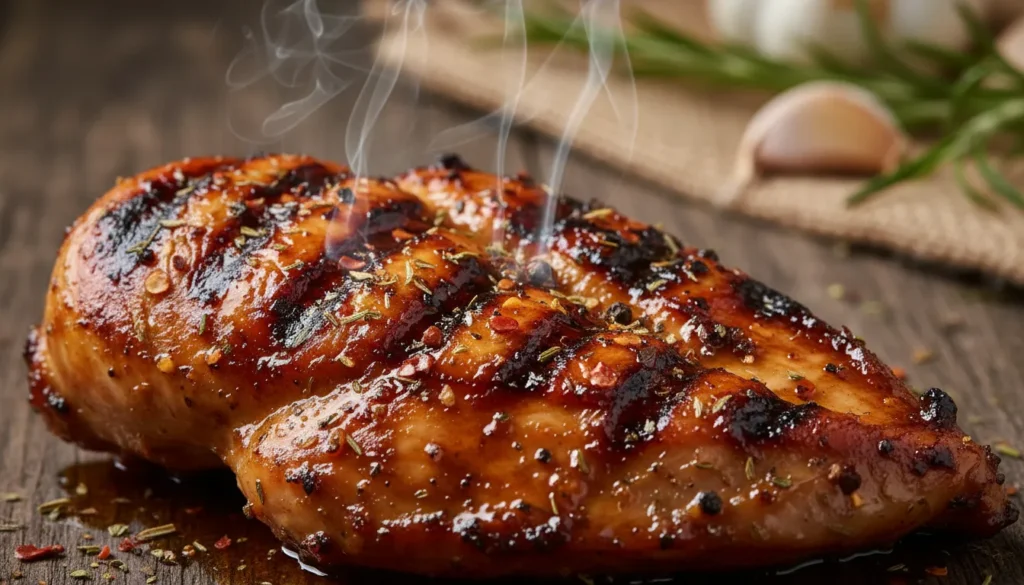
Why This Grilled Glazed BBQ Chicken Breast is a Backyard Hero
- Crowd-Pleaser: Everyone loves smoky, caramelized BBQ flavors—this dish delivers restaurant quality at home.
- Minimal Cleanup: Everything happens on the grill. No pots, pans, or oven splatters to scrub.
- Smoky Flavor Profile: Real fire adds depth you can’t replicate indoors. Wood smoke infuses the meat with complexity.
- Forgiving Method: The two-zone setup prevents burning and gives you an escape route if things get too hot.
Choosing the Best Ingredients for the Grill
Selection Matters: For meat, look for marbling (intramuscular fat). Fat keeps meat juicy over high heat and adds flavor. Avoid ultra-lean cuts—they dry out fast. For vegetables, choose firm, fresh produce that can withstand heat without turning mushy.
The Rub/Marinade: Oil prevents sticking to the grill grates—skip this step and you’ll leave half your dinner behind. Watch sugar content in rubs and sauces. Sugar burns fast over direct flames, so apply sweet glazes and BBQ sauce only in the last 5-10 minutes of cooking.
Ingredients List
Quantity Ingredient
4 (6-8 oz) Boneless, skinless chicken breasts
2 tbsp Olive oil or avocado oil
1 tbsp Brown sugar
2 tsp Smoked paprika
1 tsp Garlic powder
1 tsp Onion powder
1 tsp Kosher salt
½ tsp Black pepper
½ cup Your favorite BBQ sauce
Ingredient Notes
Oil: High-heat oils like avocado or canola prevent sticking and help spices adhere. Butter burns at grill temperatures—save it for finishing.
Brown Sugar: Adds caramelization but watch it closely. Sugar burns fast over direct flames. Apply rub at least 15 minutes before grilling to let it penetrate.
BBQ Sauce: Always apply in the last 5 minutes of cooking. Sugar-based sauces char quickly and turn bitter if added too early.
Step-by-Step Instructions
Prep & Season
Pat the chicken dry with paper towels—this is critical for a good sear. Wet meat steams instead of sears. If breasts are uneven, pound them to uniform thickness (about ¾ inch) using a meat mallet. This ensures even cooking. Brush both sides with oil, then apply the spice rub generously. Let sit at room temperature for 15-20 minutes while the grill heats.
The Setup: Two-Zone Fire
Preheat your grill to 375-400°F and set up a two-zone fire: For gas grills, turn burners on one side to medium-high, leave the other side off. For charcoal, bank hot coals to one side. This indirect zone is your safety net if meat cooks too fast or flare-ups occur. Oil your grill grates just before cooking using tongs and a paper towel soaked in high-heat oil.
The Cook: Sear and Move
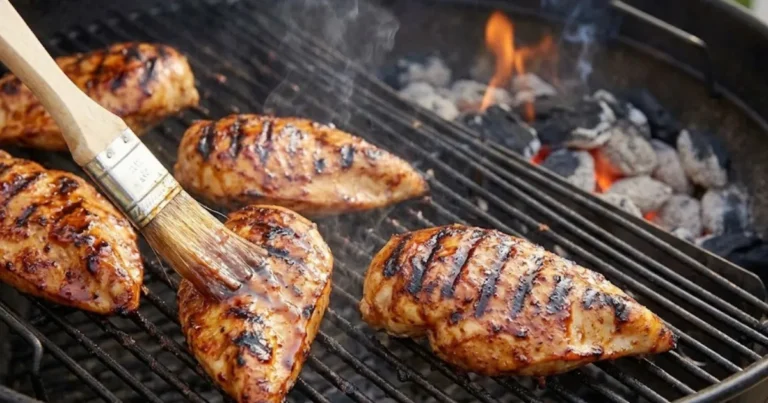
Place chicken breasts on the direct heat zone (hot side). Close the lid and cook for 6-7 minutes without touching them. Resist the urge to flip early—the meat will release naturally when it’s ready. Flip once and cook another 6-7 minutes. If any flare-ups occur, move chicken to the indirect zone temporarily. During the last 5 minutes, brush on BBQ sauce and close the lid to let it glaze.
Doneness Check
Stop guessing. Insert an instant-read thermometer into the thickest part of the breast. You’re looking for 165°F. Chicken continues cooking after it comes off the grill (carryover cooking), so pull it at 160-162°F if you want to be precise. Remove from heat and let rest for 5 minutes before slicing. Resting allows juices to redistribute—cut too soon and they’ll run all over your cutting board.
Recipe Card
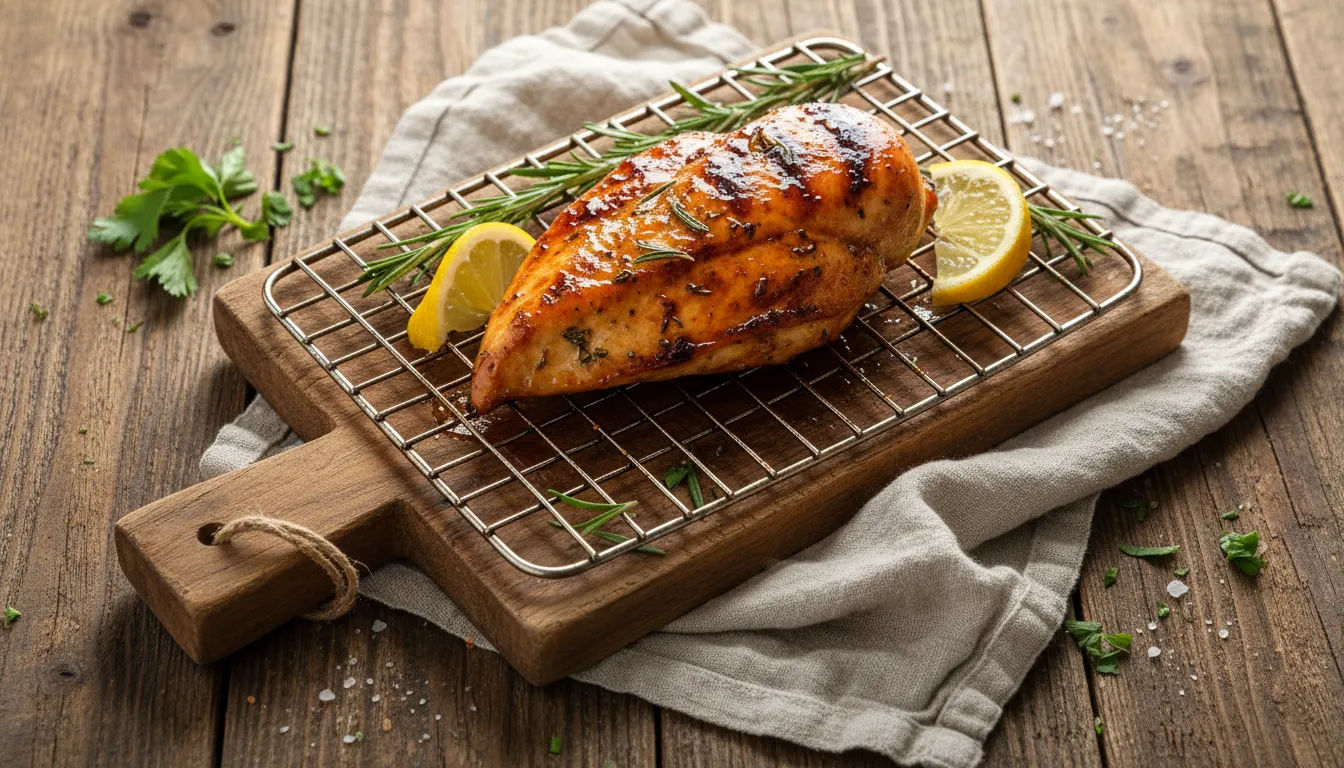
🛠 Equipment Needed
- Gas or Charcoal Grill
- Instant-read Thermometer
- Basting Brush
- Meat Pounder
3 Secrets for Pitmaster-Level Results
Tip 1: The Magic of Resting — Let the meat rest for 5-10 minutes after it comes off the grill. Cutting too soon causes all the juice to run out onto your cutting board. Resting allows muscle fibers to relax and reabsorb moisture, keeping every bite juicy.
Tip 2: Don’t Touch It — Resist the urge to flip, poke, or move your food constantly. Let the crust form naturally. If the meat sticks to the grate, it’s not ready to flip. When it releases easily, that’s your cue.
Tip 3: Clean Grates = Better Results — A dirty grill leads to sticking and imparts stale, burnt flavors to your food. Heat the grill, then scrub the grates hard with a wire brush. Oil them lightly just before cooking. Clean grates = clean flavors.
Serving Suggestions & Sides
Classic Sides: Grilled corn on the cob (shuck it, butter it, grill it), creamy coleslaw (the acidity cuts through rich, fatty meat), potato salad (a BBQ staple for a reason), baked beans (sweet and smoky), cornbread (buttery, crumbly, perfect for soaking up sauce).
Drink Pairings: Cold beer is the classic move—light lagers or IPAs cut through smoke and fat. For wine drinkers, go with Zinfandel or Syrah (both stand up to bold BBQ flavors). Sweet tea or lemonade work for non-alcoholic options.
Storage & Leftovers
Refrigerator: Store leftovers in an airtight container for up to 4 days. Let meat cool to room temperature first (but don’t leave it out longer than 2 hours).
Reheating: Avoid the microwave—it turns meat rubbery. Instead, reheat gently in a 300°F oven wrapped in foil to retain moisture. Or, wrap in foil and place on a low-heat grill for 10-15 minutes. The goal is to warm it through without drying it out.
Frequently Asked Questions
Q: Charcoal vs. Gas: Which is better for this recipe?
A: Both work great. Charcoal gives you more smoky flavor and higher heat potential—it’s the purist’s choice. Gas grills offer convenience and temperature control. For maximum smoke on gas, use a smoker box or foil pouch filled with wood chips.
Q: How do I stop my food from sticking to the grill?
A: Three critical steps: (1) Preheat the grill fully so grates are screaming hot. (2) Clean the grates with a wire brush. (3) Oil the grates just before cooking using tongs and a paper towel soaked in high-heat oil like canola or avocado. Also, don’t flip food too early—it releases naturally when ready.
Q: Can I use a grill pan indoors if I don’t have an outdoor grill?
A: You can, but results won’t be the same. Grill pans give you grill marks but lack real smoke flavor and the intense heat of a live fire. If using a grill pan, get it extremely hot, use a ventilation hood, and expect less char. For best results, invest in a small charcoal or gas grill—even apartment-friendly models deliver better flavor.
Conclusion
There’s nothing like the smell of smoke and caramelized meat drifting through the backyard on a summer evening. This Glazed BBQ Chicken Breast recipe proves you don’t need expensive equipment or years of experience to grill like a pro—just solid technique, good ingredients, and a little patience.
Now get out there and cook. Your family and friends are waiting.
Rate this recipe and tag us in your backyard grilling photos! We’d love to see your results.