Beef lo mein recipe: Best Better Than Takeout Dish
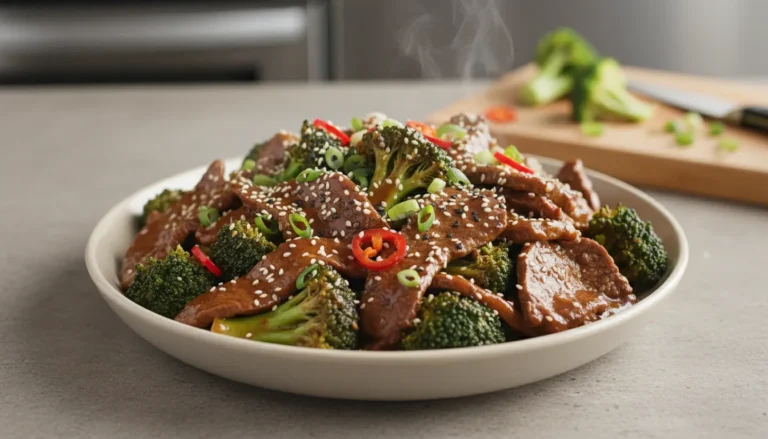
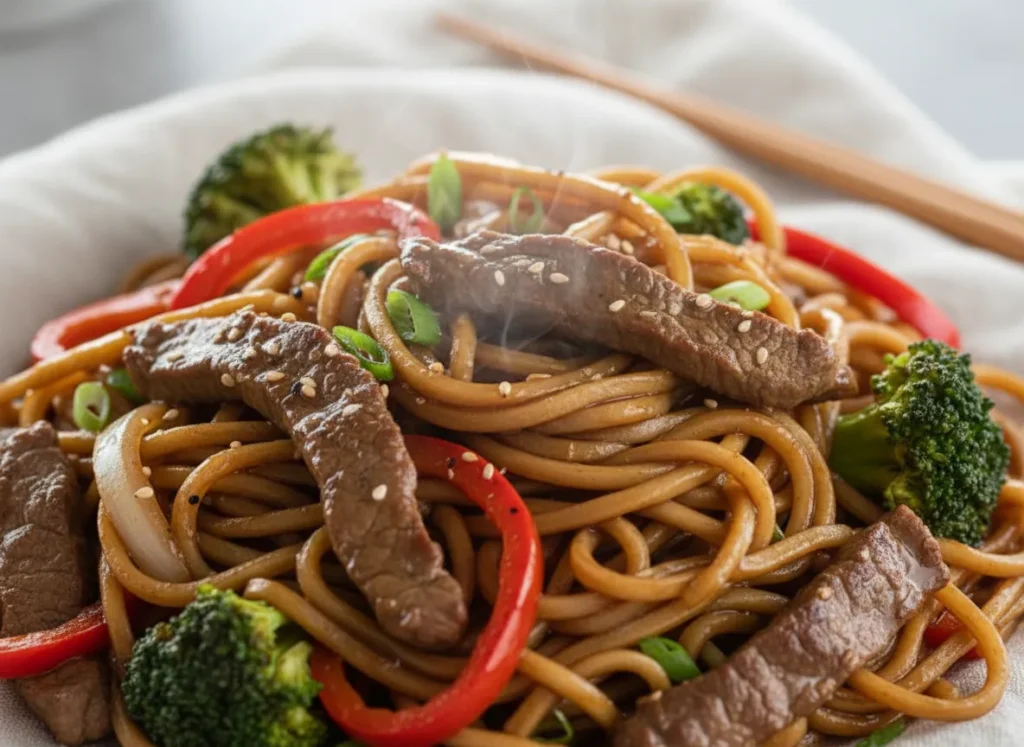
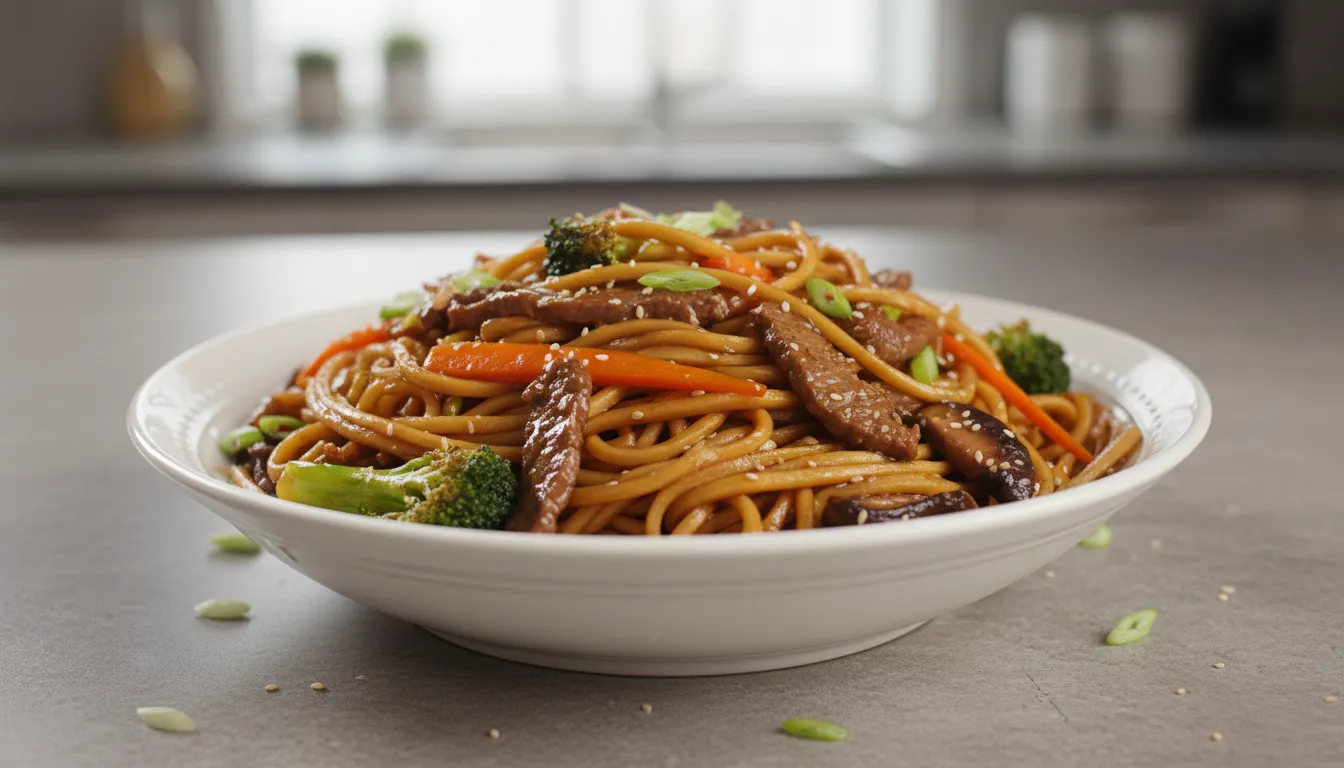
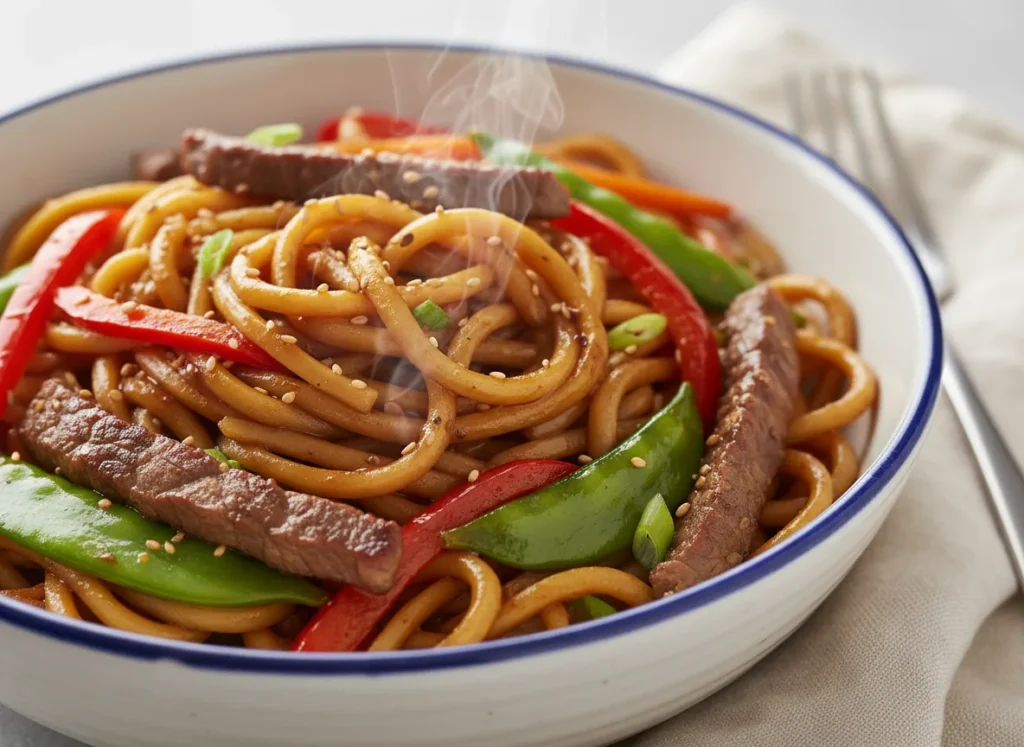
Make restaurant-quality beef lo mein at home with tender strips of beef, chewy noodles, and crisp vegetables tossed in a savory sauce. This better-than-takeout recipe delivers authentic flavor in just 30 minutes with simple ingredients.
Tired of tough, chewy beef in your homemade stir-fries? You’re not alone. The secret to restaurant-quality beef lo mein isn’t just about the sauce—it’s about choosing the right cut and treating it properly.
This beef lo mein recipe solves that problem with a strategic combination of the perfect beef cut, proper slicing technique, and a quick velvet marinade that guarantees tender, juicy meat every single time. If you want to dive deeper into understanding different beef cuts and their best uses, check out our ultimate guide to beef cuts and cooking.
The magic lies in velveting—a Chinese cooking technique that involves coating thinly sliced beef in a mixture of cornstarch, soy sauce, and oil before cooking. This creates an ultra-tender texture that rivals your favorite takeout spot.
Here’s everything you need to know to master this weeknight favorite that’s faster than delivery and twice as delicious.
Why This Beef Lo Mein Recipe is a Keeper
- Ready in 30 minutes: Faster than ordering takeout and waiting for delivery
- Budget-friendly: Uses affordable flank steak that delivers maximum flavor
- Better than takeout: Control the ingredients, sodium, and freshness
- One-wok wonder: Minimal cleanup with restaurant results
- Customizable: Easily adapt vegetables and spice levels to your preferences
Choosing the Best Cut of Beef for Beef Lo Mein
The Ideal Cut: Flank Steak
For this beef lo mein recipe, flank steak is the gold standard. This lean cut has long muscle fibers running in one clear direction, making it perfect for slicing against the grain into tender ribbons. The moderate marbling provides just enough fat for flavor without greasiness, and it absorbs the velveting marinade beautifully. According to the USDA, flank steak is classified as a lean cut with excellent protein content.
Why It Works Scientifically:
The cornstarch in the velveting marinade creates a protective coating that prevents moisture loss during the high-heat searing process. This triggers the Maillard reaction—the browning that develops complex, savory flavors—while keeping the interior juicy. Slicing against the grain shortens those muscle fibers, transforming what could be a tough cut into fork-tender bites.
Substitutions:
If flank steak isn’t available, try:
- Skirt steak: Similar grain structure, slightly more marbling
- Sirloin: Leaner and more tender, cooks slightly faster
- Top round: Budget option, requires extra attention to slicing technique
Buying Tips: Look for bright red color without dry or brown edges. Ask your butcher to slice it thin if you’re short on time—most are happy to help. Choose pieces with even thickness for consistent cooking.
Ingredients List
| Quantity | Ingredient |
|---|---|
| 1 lb | Flank steak, thinly sliced against the grain |
| 8 oz | Fresh lo mein noodles (or dried Chinese egg noodles) |
| 2 tbsp | Vegetable oil, divided |
| 3 cloves | Garlic, minced |
| 1 tbsp | Fresh ginger, minced |
| 2 cups | Mixed vegetables (bell peppers, snap peas, carrots) |
| 3 green onions | Sliced, plus more for garnish |
| For the Marinade: | |
| 2 tbsp | Soy sauce |
| 1 tbsp | Cornstarch |
| 1 tbsp | Shaoxing wine (or dry sherry) |
| 1 tsp | Sesame oil |
| For the Sauce: | |
| 3 tbsp | Soy sauce |
| 2 tbsp | Oyster sauce |
| 1 tbsp | Dark soy sauce |
| 1 tbsp | Hoisin sauce |
| 1 tsp | Sugar |
| 1 tsp | Sesame oil |
| ¼ tsp | White pepper |
Ingredients Notes
The Beef: Pat the flank steak completely dry with paper towels before slicing. Moisture prevents proper searing and creates steam instead of that delicious caramelized crust. Freeze the steak for 15 minutes before slicing—it firms up just enough to make thin, even cuts easier.
The Cornstarch: This is crucial for the velveting technique. It forms a protective barrier around each piece of beef, locking in moisture and creating a silky texture that clings to the sauce.
Shaoxing Wine: This Chinese rice wine adds depth and helps tenderize the meat. Dry sherry works as a substitute, but avoid cooking wine with added salt.
Dark Soy Sauce: Different from regular soy sauce, dark soy adds rich color and a subtle sweetness without extra saltiness. If unavailable, use regular soy sauce plus ½ teaspoon molasses.
Fresh vs. Dried Noodles: Fresh lo mein noodles (found in the refrigerated Asian section) have the best texture, but dried Chinese egg noodles work perfectly. Cook according to package directions and rinse with cold water to stop cooking.
Step-by-Step Instructions
Recipe Card
🛠 Equipment Needed
- Wok or large skillet (12-inch minimum)
- sharp knife
- cutting board
- medium mixing bowls
- small whisk
- tongs
- large pot for noodles
Prep & Season
Slice the flank steak against the grain into strips about ¼-inch thick. In a medium bowl, combine the beef with marinade ingredients: soy sauce, cornstarch, Shaoxing wine, and sesame oil. Mix thoroughly with your hands until every piece is coated. Let it rest at room temperature for 15-20 minutes while you prep the vegetables and cook the noodles.
Cook the noodles according to package instructions. Drain, rinse with cold water, and toss with a small drizzle of sesame oil to prevent sticking. Set aside.
Whisk together all sauce ingredients in a small bowl. Having everything ready before you start cooking—known as mise en place—is essential for successful stir-frying.
The Cooking Process
Heat a wok or large skillet over high heat until smoking hot. Add 1 tablespoon vegetable oil and swirl to coat. Add the marinated beef in a single layer—don’t crowd the pan or you’ll steam instead of sear. Let it sit undisturbed for 60-90 seconds until a golden-brown crust forms on the bottom. That sizzle is your friend—it means the Maillard reaction is creating flavor.
Flip and cook for another 60 seconds until just cooked through. Transfer to a plate. The beef should still have a slight pink center—it’ll finish cooking when you toss everything together.
Add the remaining tablespoon of oil to the wok. Toss in garlic and ginger, stirring constantly for 30 seconds until fragrant but not browned. Add your vegetables, starting with the firmest (carrots) and ending with the most delicate (snap peas). Stir-fry for 2-3 minutes until crisp-tender.
Return the beef to the wok along with the cooked noodles. Pour the sauce over everything and toss vigorously using tongs for 1-2 minutes until the noodles are evenly coated and glossy. Add the green onions and give it one final toss.
Doneness Guide
While traditional steak doneness temperatures apply, stir-fried beef requires a different approach. Because the slices are thin and cook quickly, use visual cues instead of a thermometer:
| Doneness | Visual Cue | Internal Temp |
|---|---|---|
| Rare | Deep red center | 125°F |
| Medium-Rare | Pink throughout (ideal for lo mein) | 135°F |
| Medium | Slight pink in center | 145°F |
| Well-Done | No pink (not recommended) | 160°F+ |
Resting
Unlike large steaks that need 5-10 minutes of resting, stir-fried beef requires minimal rest time—just the minute or two it takes to plate and garnish. The thin slices have less residual heat and won’t continue cooking as dramatically. However, that brief resting period allows the juices to redistribute slightly, preventing them from running out when you take your first bite.
Expert Tips for Tender Beef Every Time
Tip 1: Room Temperature Strategy
Remove your beef from the fridge 20-30 minutes before cooking. Cold beef hitting a hot wok creates uneven cooking—the outside overcooks while the inside stays cool. Room temperature beef sears evenly and develops better texture.
Tip 2: Cutting Against the Grain
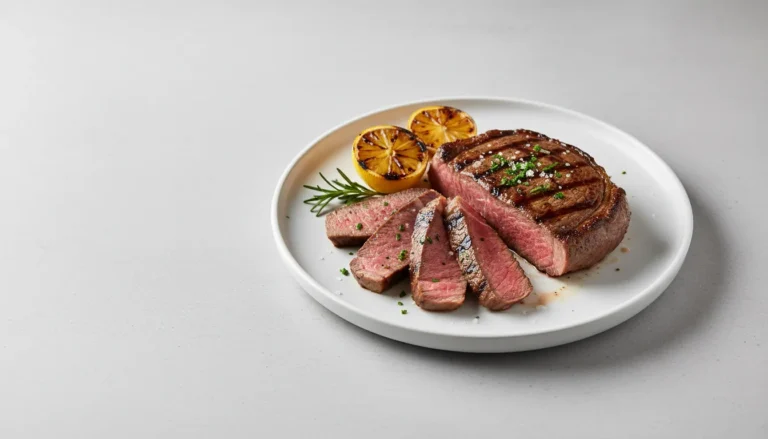
This cannot be overstated. Look for the direction of the muscle fibers and slice perpendicular to them. This shortens the fibers, making each bite tender instead of chewy. It’s the difference between restaurant-quality and disappointing beef lo mein.
Tip 3: Avoid Overcrowding
Cook the beef in batches if your wok isn’t large enough to hold all the pieces in a single layer. Overcrowding drops the temperature, causing the beef to steam and become gray and tough instead of caramelized and tender.
Tip 4: The Right Oil
Use high smoke-point oils like vegetable, canola, or peanut oil for the high-heat cooking. Save sesame oil for the marinade and sauce—it burns easily and is best used for flavoring rather than cooking.
Serving Suggestions & Pairings
Side Dishes:
- Crispy egg rolls or spring rolls
- Hot and sour soup or egg drop soup
- Steamed or pan-fried dumplings
- Cucumber salad with sesame dressing
Sauce Upgrades:
- Drizzle with chili oil for heat
- Add a splash of black vinegar for tang
- Sprinkle with toasted sesame seeds for crunch
Storage, Freezing & Reheating
Refrigerator Storage: Store leftover beef lo mein in an airtight container for up to 3 days. The noodles will absorb more sauce as they sit, so they may seem drier—add a splash of soy sauce or water when reheating.
Freezing: While possible, freezing isn’t ideal. The noodles can become mushy when thawed. If you must freeze, portion into freezer bags, remove excess air, and use within 1 month.
Reheating: The best method is in a hot wok or skillet with a tablespoon of oil. Toss over high heat for 2-3 minutes, adding a splash of water or broth if needed. Microwave reheating works in a pinch (2 minutes on 70% power, stirring halfway), but the texture won’t be as good. Avoid overcooking the beef—it’s already cooked through.
Frequently Asked Questions
Can I use a different cut of beef for this beef lo mein recipe?
- Yes! Sirloin, skirt steak, or even thinly sliced ribeye work well. The key is slicing against the grain and using the velveting marinade. Avoid extremely lean cuts like eye of round, as they can turn tough even with proper technique.
How long does it take to cook beef lo mein from start to finish?
- Total time is about 30 minutes: 10 minutes for prep and marinating, 5 minutes for cooking noodles, and 15 minutes for stir-frying everything together. It’s genuinely faster than ordering takeout.
Is this recipe gluten-free?
- Not as written, but you can make it gluten-free by using tamari instead of soy sauce, gluten-free oyster sauce, and rice noodles instead of wheat-based lo mein noodles. Check all labels carefully, as some sauces contain hidden gluten.
Can I make beef lo mein ahead of time?
- You can prep ingredients ahead (marinate beef, chop vegetables, mix sauce), but the actual cooking should happen just before serving for the best texture. Noodle dishes don’t hold well and are always best fresh from the wok.
Conclusion
This beef lo mein recipe proves that restaurant-quality results are absolutely achievable at home. With the right cut of beef, proper slicing technique, and the velveting method, you’ll create tender, flavorful noodles that put takeout to shame—all in less time than delivery would take.
The beauty of mastering this dish is understanding the why behind each technique. When you know how the Maillard reaction creates flavor, why cutting against the grain matters, and how velveting protects moisture, you’re not just following a recipe—you’re becoming a better cook. Ready to explore more ways to cook beef perfectly? Visit our ultimate guide to beef steak cuts and cooking for comprehensive techniques that work across all cuts.
Now it’s your turn! Try this recipe tonight and rate it below. Did you customize the vegetables? Adjust the spice level? Share your experience and pin this recipe to Pinterest so you can find it again when that takeout craving hits!