Easy to make Asian food recipes: 10 Takeout Favorites
Recreate your favorite Asian takeout at home in 20-30 minutes using pantry staples and simple stir-fry techniques. From Kung Pao chicken to fried rice, these 10 recipes cost a fraction of delivery prices and taste just as good—sometimes better.
You’re scrolling through the delivery app. Orange chicken: $14. Lo mein: $12. Egg rolls: $8. Total with tax, tip, and delivery fee: $45 for dinner for two. Plus, it’ll take 45 minutes to arrive, the rice will be soggy, and the vegetables will be overcooked.
Easy to make Asian food recipes at home solve all these problems. Most takeout favorites use the same base ingredients (soy sauce, garlic, ginger, sesame oil) and the same technique (high-heat stir-frying). Once you master these basics, you can make a dozen different dishes.
When you’re trying to break free from expensive delivery habits without sacrificing flavor, our ultimate guide to quick and easy meals has dozens more restaurant copycats you can make at home.
The game-changer? Pre-cut stir-fry vegetables and pre-cooked rice (or rice pouches) turn a 45-minute cooking project into a 15-minute dinner.
Put down that delivery app. We’re making takeout-quality Asian food faster and cheaper than ordering out.
Why These Asian Recipes are a Weeknight Lifesaver
- 20-30 minutes total — faster than delivery
- Costs $8-12 to make — vs. $30-50 for takeout
- Healthier — you control the oil, sodium, and sugar
- Pantry staples — soy sauce, rice vinegar, sesame oil last months
- One wok or skillet — minimal cleanup
- Customizable — adjust spice, vegetables, protein to your taste
- Leftovers taste great — unlike soggy delivery food
Ingredients & Swaps
The Basics: Soy sauce, rice vinegar, sesame oil, fresh ginger, garlic, cornstarch (for sauce thickening), and neutral oil for cooking. These six ingredients create almost every Asian sauce.
Flexible Swaps:
- Don’t have soy sauce? Tamari (gluten-free soy sauce) or coconut aminos (soy-free, slightly sweeter) work.
- No fresh ginger? Use ground ginger (1/2 teaspoon ground = 1 tablespoon fresh) or ginger paste in a tube.
- Can’t find sesame oil? Toasted sesame oil has the best flavor, but skip it if you must—add a teaspoon of peanut butter for nutty depth.
- No rice vinegar? White vinegar or apple cider vinegar work (they’re more acidic, so use less).
- Want different proteins? Chicken, beef, pork, shrimp, or tofu all work interchangeably in these recipes.
Recipe 1: Kung Pao Chicken (Featured Recipe)
| Quantity | Ingredient |
|---|---|
| 1 pound | Boneless skinless chicken breast or thighs, cubed |
| 2 tablespoons | Soy sauce |
| 1 tablespoon | Rice wine or dry sherry (or sub rice vinegar) |
| 2 teaspoons | Cornstarch |
| 3 tablespoons | Neutral oil (vegetable or peanut) |
| 3 cloves | Garlic, minced |
| 1 tablespoon | Fresh ginger, minced |
| 1/2 cup | Unsalted roasted peanuts |
| 6-8 | Dried red chilies (or 1 tsp red pepper flakes) |
| 1 bell pepper | Diced |
| 3 | Scallions, sliced |
For the Sauce:
| Quantity | Ingredient |
|---|---|
| 3 tablespoons | Soy sauce |
| 2 tablespoons | Chinese black vinegar (or balsamic) |
| 1 tablespoon | Sugar |
| 1 tablespoon | Hoisin sauce |
| 1 teaspoon | Cornstarch |
| 2 tablespoons | Water |
| 1 teaspoon | Sesame oil |
Ingredients Notes
Pre-Prepped Items:
- Pre-cut chicken breast strips or frozen pre-cooked chicken save 10 minutes.
- Frozen stir-fry vegetable blends eliminate all chopping.
- Jarred minced garlic and ginger are acceptable shortcuts.
- Pre-cooked rice pouches microwave in 90 seconds.
Flavor Bombs:
- The Sichuan trinity: Ginger, garlic, and scallions form the aromatic base of most Sichuan and Cantonese cooking.
- Velveting the chicken: Marinating chicken in soy sauce + cornstarch tenderizes it and creates a glossy coating when cooked.
- Dried chilies add flavor, not just heat: Toast them whole in oil first. They release aromatic oils without being overly spicy. Remove them before serving if desired.
- Cornstarch in sauce: The slurry (cornstarch + water) thickens the sauce and gives it that glossy, restaurant-style finish.
- High heat is crucial: Stir-frying requires very high heat (as hot as your stove goes). Medium heat makes everything soggy.
According to Serious Eats, the secret to restaurant-style stir-fry is cooking in small batches over the highest heat possible—something home stoves struggle with, but can manage if you don’t overcrowd the pan.
Step-by-Step Instructions
Recipe Card
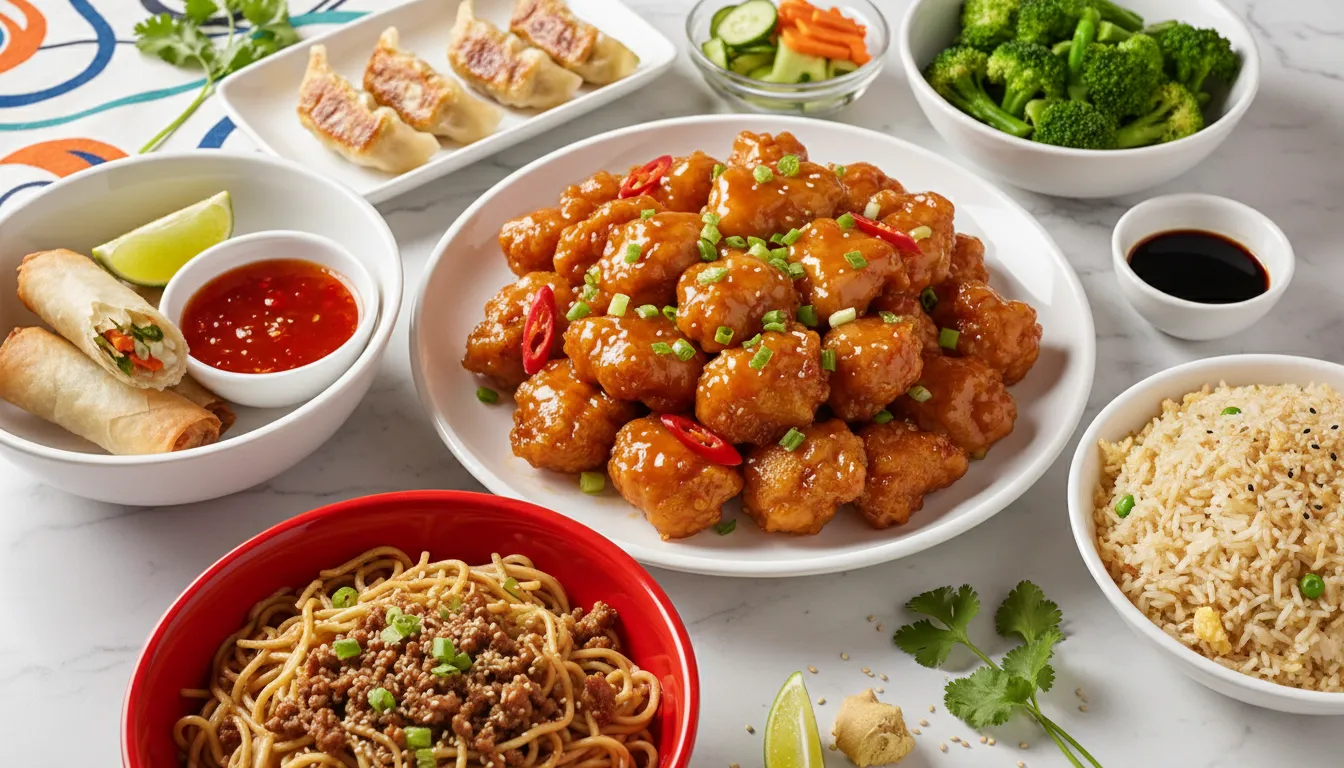
🛠 Equipment Needed
- Large wok or skillet
- cutting board
- small bowls for prep
- wooden spoon or spatula
Prep (10 minutes)
This is crucial: prep ALL ingredients before turning on the heat. Stir-frying is fast—once you start, there’s no time to chop. Cube chicken. Mince garlic and ginger. Dice bell pepper. Slice scallions. Mix sauce ingredients in a bowl.
The Method
Marinate Chicken:
- Velvet the chicken: Toss cubed chicken with 2 tablespoons soy sauce, 1 tablespoon rice wine, and 2 teaspoons cornstarch. Let sit for 10 minutes while you prep everything else.
Stir-Fry:
- Heat the wok: Heat a large wok or skillet over the highest heat. Add 2 tablespoons oil. When shimmering (almost smoking), add chicken in a single layer.
- Sear chicken: Let sit undisturbed for 2 minutes to get a sear. Then toss and cook for another 3-4 minutes until cooked through. Remove to a plate.
- Toast chilies: Add remaining tablespoon of oil. Add dried chilies. Toast for 30 seconds until fragrant and darkened (don’t burn them).
- Aromatics: Add garlic and ginger. Stir-fry for 30 seconds until fragrant.
- Vegetables: Add bell pepper. Stir-fry for 2 minutes until slightly softened but still crisp.
- Combine: Return chicken to the wok. Add peanuts and white parts of scallions.
- Sauce: Whisk the sauce mixture again (cornstarch settles), then pour over everything. Toss constantly for 1-2 minutes until sauce thickens and coats everything.
- Finish: Remove from heat. Garnish with green scallion parts. Serve over rice.
The Shortcut
The magic moment: When you pour that sauce into the hot wok and it instantly bubbles, thickens, and coats everything with a glossy sheen—that’s when you know it tastes exactly like takeout.
Finish
Your Kung Pao chicken is done when the chicken is cooked through (165°F), vegetables are crisp-tender, sauce is thick and glossy, and everything is evenly coated.
9 More Asian Takeout Recipes (Quick Summaries)
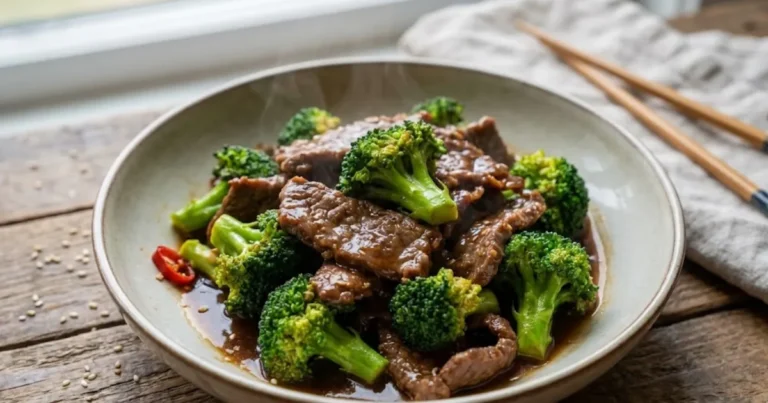
Recipe 2: Beef and Broccoli (18 minutes)
Slice beef thinly, velvet with soy sauce + cornstarch. Stir-fry with garlic. Add broccoli. Sauce: soy sauce + oyster sauce + sugar + cornstarch. Classic.
Recipe 3: Fried Rice (15 minutes)
Day-old rice (or microwaved rice pouches) + scrambled eggs + frozen peas and carrots + soy sauce + sesame oil. Faster and cheaper than ordering.
Recipe 4: Lo Mein (20 minutes)
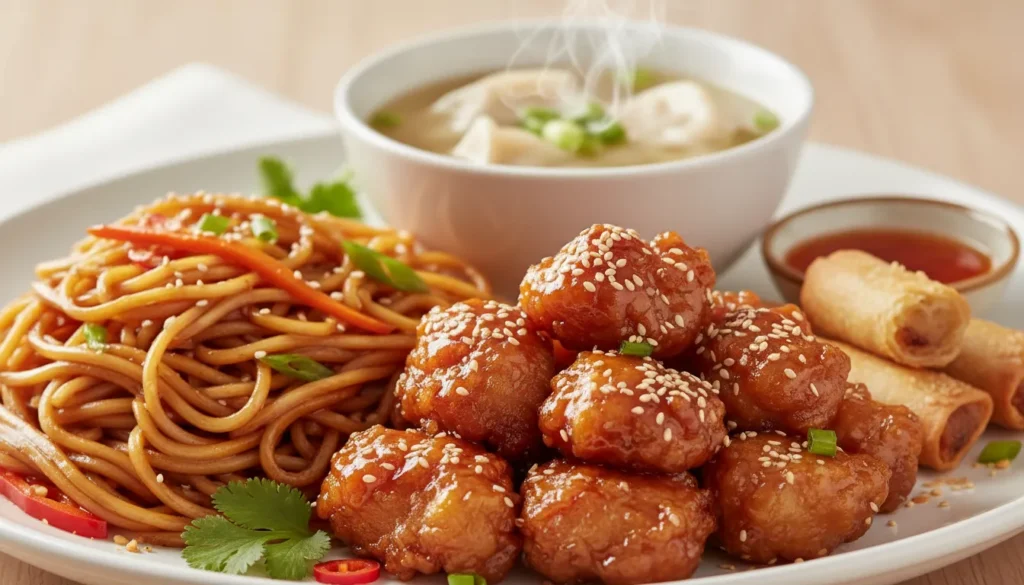
Cook spaghetti or fresh Chinese noodles. Stir-fry with vegetables and protein. Sauce: soy sauce + oyster sauce + sesame oil + sugar.
Recipe 5: General Tso’s Chicken (25 minutes)
Coat chicken in cornstarch, pan-fry until crispy. Make sweet-spicy sauce (soy sauce + rice vinegar + sugar + chili flakes + garlic). Toss.
Recipe 6: Egg Drop Soup (10 minutes)
Chicken broth + ginger + soy sauce. Drizzle beaten eggs into simmering broth while stirring. Add cornstarch slurry to thicken. Garnish with scallions.
Recipe 7: Mongolian Beef (20 minutes)
Slice beef thin, coat in cornstarch, pan-fry. Sauce: soy sauce + brown sugar + garlic + ginger. Toss with scallions. Sweet and savory.
Recipe 8: Sweet and Sour Chicken (25 minutes)
Coat chicken in batter (flour + egg), fry. Sauce: ketchup + rice vinegar + sugar + pineapple juice. Add bell peppers and pineapple chunks.
Recipe 9: Mapo Tofu (18 minutes)
Ground pork + soft tofu + Sichuan chili bean paste + soy sauce + garlic. Spicy, numbing, addictive. Serve over rice.
Recipe 10: Pad Thai (25 minutes)
Rice noodles + shrimp or chicken + bean sprouts + peanuts + eggs. Sauce: tamarind paste + fish sauce + sugar. Sweet, sour, savory.
3 Tips for Faster Cleanup
- One Wok Wonder: Cook protein, set aside. Cook vegetables in the same wok (don’t wash). Combine with sauce. Only one pan to clean.
- Mise en Place Bowls: Use small bowls or a muffin tin to organize prepped ingredients. When done cooking, stack them and wash together.
- Non-Stick Wok: Invest in a non-stick wok. Food slides off easily and cleanup is effortless compared to traditional carbon steel woks.
Serving Suggestions
Sides:
- White or brown rice: Make a big batch on Sunday, refrigerate, use all week
- Egg rolls or spring rolls: Buy frozen, bake in the oven
- Steamed dumplings: Frozen pot stickers steam in 8 minutes
- Wonton soup: Use store-bought wontons in chicken broth
Complete Meal Ideas:
- Kung Pao chicken + fried rice + egg drop soup
- Beef and broccoli + steamed rice + spring rolls
- General Tso’s + lo mein + egg rolls
Storage & Leftovers
Fridge: Most stir-fries keep for 3-4 days. Store rice separately from saucy dishes to prevent sogginess.
Freezer: Cooked rice freezes beautifully (up to 3 months). Most protein and vegetable stir-fries freeze well too. Noodle dishes don’t freeze as well—noodles get mushy.
Reheating:
- Best method: Reheat in a hot wok or skillet with a splash of water or broth. This revives the texture better than microwaving.
- Microwave: 2-3 minutes on high, stirring halfway.
- From frozen: Thaw overnight in fridge, then reheat as above.
Frequently Asked Questions
Do I need a wok?
No! A large skillet works fine. The key is high heat, not special equipment. Woks are great but not necessary.
Can I make these less spicy?
Yes! Omit or reduce dried chilies and chili flakes. Most of these dishes aren’t inherently spicy—the heat is adjustable.
What if I don’t have all the sauce ingredients?
Start with soy sauce + sugar as a base. Add what you have (vinegar, sesame oil, garlic, ginger). It won’t be exactly like the recipe, but it’ll still be delicious.
Why is my stir-fry watery?
Your heat wasn’t high enough, or you overcrowded the pan. Cook in smaller batches over very high heat. Vegetables release water when cooked too slowly.
Can I meal prep these?
Yes! Cook protein and vegetables, store separately from rice. Assemble and reheat throughout the week.
Conclusion
You just saved yourself hundreds of dollars in delivery fees and gained the skills to make restaurant-quality Asian food at home. These easy to make Asian food recipes prove that takeout flavors are accessible to home cooks—you just need the right formula.
Once you master the basic stir-fry technique and sauce-building principles, you can create endless variations. For more restaurant copycat recipes and cooking shortcuts, explore our complete guide to quick and easy meals.
Ditched takeout for homemade? Rate this recipe 5 stars and tell us which Asian dish you mastered!