Air fryer recipes healthy : How to Roast Veggies Fast
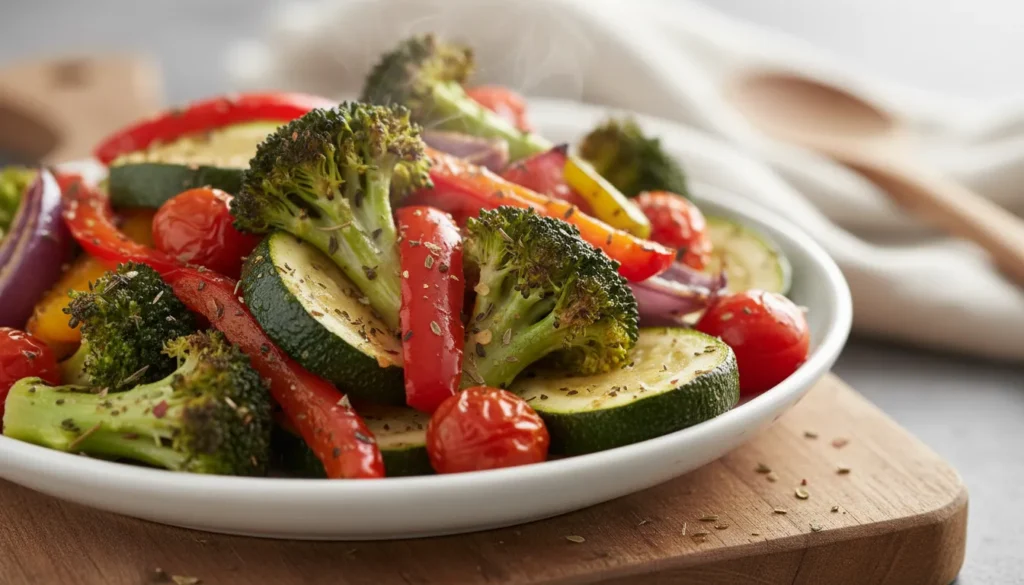
Roast vegetables perfectly in your air fryer at 400°F for 12-15 minutes, shaking the basket halfway through. The key is cutting veggies into uniform pieces, tossing with a light spray of avocado oil, and arranging them in a single layer for maximum crispiness and golden brown edges.
We’ve all been there: you pull a tray of vegetables from the oven only to find them limp, soggy, and completely lacking that satisfying crunch you craved. Or maybe you’ve stood around waiting 30 minutes just for the oven to preheat while your stomach growls in protest. Traditional roasting takes forever, and deep frying? That’s a greasy, calorie-laden mess nobody needs in their life.
Here’s the good news: air fryer recipes healthy enough for everyday eating can deliver restaurant-quality crispiness in a fraction of the time—with barely any oil. New to this gadget? Check out our ultimate air fryer guide for everything from setup to cleaning tips.
So why does this method work so brilliantly? The air fryer uses rapid air circulation technology, pushing superheated air (up to 400°F) around your food at high speed. This creates that coveted crispy exterior while keeping the inside tender—mimicking deep-fried results without submerging your food in oil.
Ready for the crispiest roasted vegetables of your life? Let’s dive in.
Why This Air Fryer Roasted Veggie Method is a Game Changer
This approach to air fryer recipes healthy cooking transforms how you think about vegetables:
- Uses up to 90% less oil than traditional frying methods
- Cooks in half the time compared to conventional oven roasting
- Preheats in under 3 minutes instead of waiting 15-30 minutes for your oven
- Easy cleanup with a simple basket wipe-down or quick dishwasher cycle
- Better nutrient retention since vegetables aren’t soaking in hot oil
- Consistent results every single time thanks to even air circulation
According to research from the Cleveland Clinic, air frying can cut calories by up to 80% because food doesn’t absorb fat the way it does during traditional frying. That’s a massive win for anyone watching their intake.
Choosing the Best Ingredients
Vegetable Selection
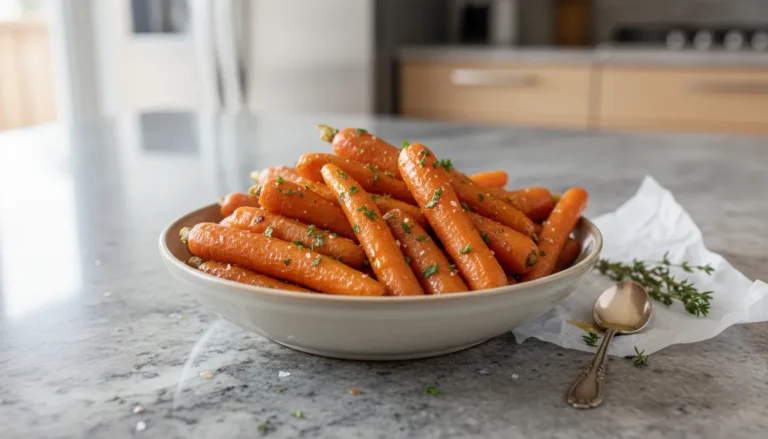
Not all vegetables are created equal when it comes to air frying. The best choices have some natural moisture and can withstand high heat without turning to mush. Think broccoli florets, Brussels sprouts, sweet potato cubes, zucchini rounds, bell pepper strips, cauliflower, and carrots.
Cut everything into uniform pieces. This is non-negotiable. If your broccoli florets are tiny and your sweet potato chunks are massive, you’ll end up with burnt bits and undercooked lumps. Aim for ¾-inch to 1-inch pieces for most vegetables.
The Oil Question
Skip the aerosol cooking sprays like Pam. These contain propellants that can damage your air fryer basket’s non-stick coating over time. Instead, invest in:
- Avocado oil spray (highest smoke point, neutral flavor)
- Light olive oil spray (great for Mediterranean-style veggies)
- A refillable oil mister filled with your preferred high-smoke-point oil
A light misting is all you need—just enough for the seasonings to stick and for that golden brown color to develop.
Ingredients List
| Quantity | Ingredient |
|---|---|
| 1 lb | Mixed vegetables (broccoli, cauliflower, bell peppers) |
| 1 tbsp | Avocado oil (or use spray) |
| 1 tsp | Garlic powder |
| 1 tsp | Smoked paprika |
| ½ tsp | Onion powder |
| ½ tsp | Sea salt |
| ¼ tsp | Black pepper |
| Optional: ¼ tsp | Red pepper flakes for heat |
Ingredient Notes
The Seasoning Strategy: Dry rubs and spice blends work significantly better than wet marinades in the air fryer. Why? Wet batters slide off, create steam, and prevent that crispy texture from forming. Dry seasonings cling to the light oil coating and toast beautifully in the hot circulating air.
The Binder: That thin layer of oil isn’t just about preventing sticking—it’s the glue that holds your spices in place and promotes the Maillard reaction (the chemical process that creates browning and flavor development). Even a light misting makes a noticeable difference in your final result.
Fresh vs. Frozen: Fresh vegetables yield the best results. If using frozen, thaw completely and pat thoroughly dry with paper towels first. Excess moisture is the enemy of crispiness.
Step-by-Step Instructions
Recipe Card : Air fryer recipes healthy
🛠 Equipment Needed
- Air Fryer
- Tongs
- Oil Sprayer
- Paper Towels
Prep Your Vegetables
Wash and thoroughly dry all vegetables. This step matters more than you think—water droplets create steam, and steam prevents crisping. Cut everything into uniform pieces (around ¾-inch to 1-inch). Place in a large bowl and toss with oil until lightly coated. Add all seasonings and toss again until evenly distributed.
The Setup
Preheat your air fryer to 400°F for 3 minutes. While some recipes skip preheating, starting with a hot basket jumpstarts the cooking process and ensures better browning.
Arrange vegetables in a single layer in the basket. This is crucial—overcrowding prevents proper air circulation, resulting in steamed rather than roasted vegetables. If you’re cooking a large batch, work in multiple rounds. The few extra minutes are worth the superior texture.
The Cook
Set your timer for 12-15 minutes at 400°F. At the halfway point (around 6-7 minutes), pull out the basket and give it a good shake. This redistributes the vegetables and ensures even browning on all sides. Some air fryers have a reminder function for this—use it.
Harder vegetables like carrots and sweet potatoes may need an extra 3-5 minutes. Softer vegetables like zucchini may be done sooner. Adjust based on what you’re cooking.
Doneness Check
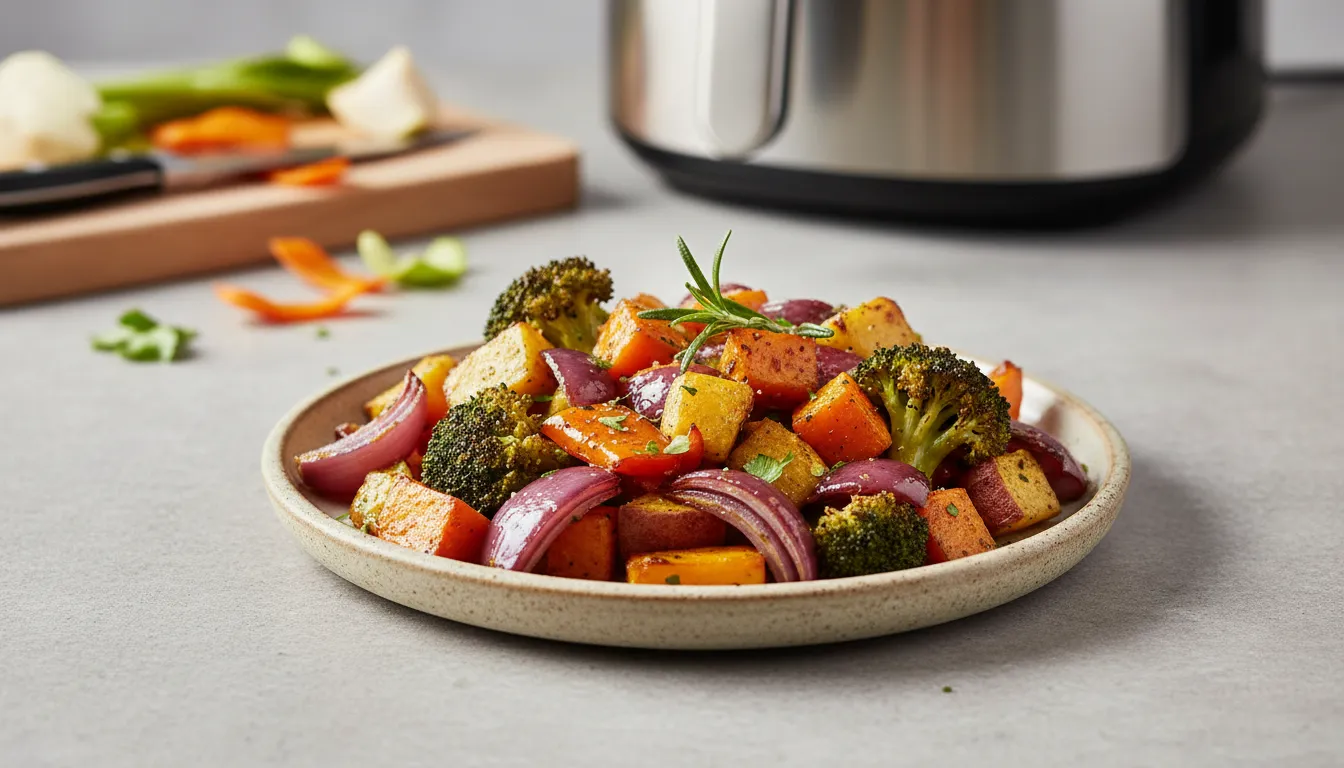
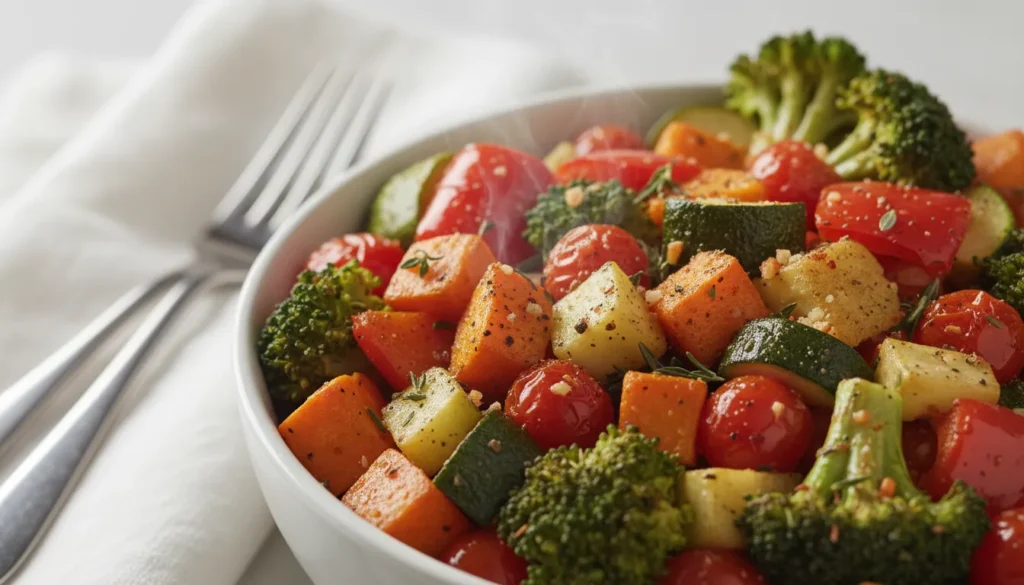
Look for golden brown edges and slightly caramelized spots. The vegetables should be tender when pierced with a fork but still have some structure—not mushy. Brussels sprouts should have crispy outer leaves. Broccoli florets should have darkened, crispy tips.
3 Secrets for Crispy Air Fryer Results
Tip 1: The Golden Rule—Never Overcrowd the Basket. Air needs space to circulate around every piece. If vegetables are piled on top of each other, you’re essentially steaming them. One layer, spaced apart, every time.
Tip 2: Dry is Better. Pat food dry with paper towels before adding oil. Moisture creates steam, and steam is the enemy of that crispy texture you’re chasing. This applies to fresh vegetables, thawed frozen vegetables, and even canned items you’ve drained.
Tip 3: Use Your Air Fryer for Reheating. Leftover roasted vegetables? Don’t microwave them into soggy sadness. Pop them back in the air fryer at 350°F for 3-4 minutes to restore that just-made crunch.
Serving Suggestions & Pairings
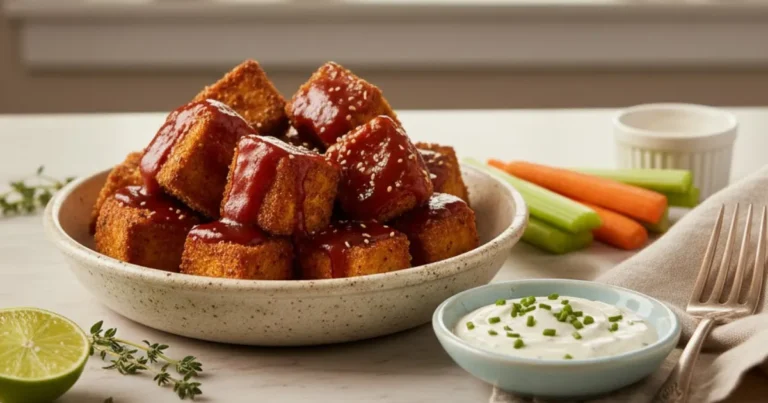
Dipping Sauces: Elevate your roasted veggies with these pairings:
- Garlic aioli
- Balsamic glaze drizzle
- Spicy sriracha mayo
- Tahini lemon sauce
- Ranch dressing
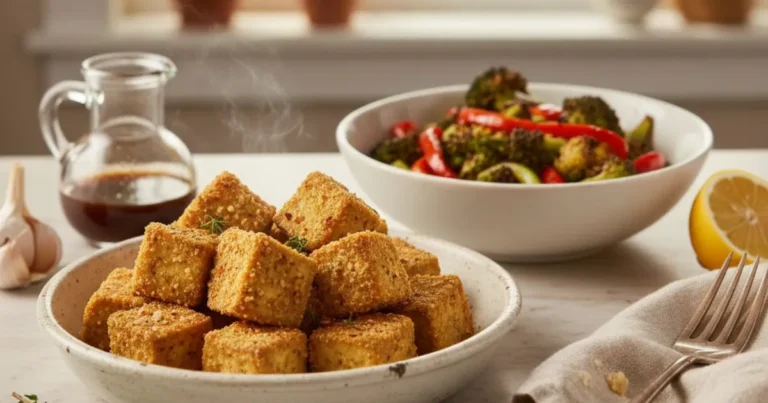
Complete the Meal: While your vegetables rest for a minute, consider what else you can batch-cook. Air fryers excel at cooking chicken thighs (165°F internal temp), salmon fillets, or tofu cubes using similar timing at 375-400°F. One appliance, complete dinner.
Storage & Reheating
Refrigerator Storage: Let vegetables cool completely, then store in an airtight container for up to 4 days. Keep them in a single layer if possible to prevent sogginess from trapped moisture.
Reheating for Maximum Crunch: Skip the microwave entirely. Return vegetables to the air fryer at 350°F for 3-4 minutes, shaking once. They’ll taste nearly as good as fresh, with restored crispiness that a microwave simply cannot replicate.
Frequently Asked Questions
Do I really need to preheat my air fryer?
- For best results, yes. A 3-minute preheat ensures the cooking chamber is at the right temperature from the moment your food goes in, promoting immediate browning rather than a slow warm-up.
Can I use aluminum foil in the air fryer?
- You can, but be strategic. Never cover the entire basket bottom—air needs to circulate from below. Use foil to wrap individual items or create a small tray for easier cleanup, leaving gaps for airflow.
How do I stop smoke from coming out of my air fryer?
- This typically happens when oil drips onto the heating element or excess fat accumulates. Add 2-3 tablespoons of water to the bottom drawer to catch drippings and reduce smoke. For vegetables, this is rarely an issue since they’re low in fat.
Why are my vegetables still soggy?
- Three likely culprits: overcrowding the basket, not drying vegetables thoroughly before cooking, or using too much oil. Check all three and adjust accordingly.
Conclusion
Mastering air fryer recipes healthy enough for daily meals is simpler than you might think. With the right technique—uniform cuts, dry ingredients, a single layer, and a mid-cook shake—you’ll achieve crispy, golden roasted vegetables in under 20 minutes with minimal oil and maximum flavor.
The air fryer isn’t just another kitchen gadget collecting dust; it’s a genuine game-changer for anyone who wants to eat well without spending hours in the kitchen. For more tips on getting the most from your appliance, explore our beginner’s guide to air fryer cooking and cleaning.
Snap a photo of your crispy creation and tag us on Instagram! We’d love to see your veggie victories.